Articles by David Bai, PharmD

Gene-edited glypican-3 (GPC3)-targeted chimeric antigen receptor (CAR) T cells with deficient programmed death–1 have greater cytotoxicity compared with wild-type GPC3-targeted T cells in GPC3-positive hepatocellular carcinoma, based on results from a recent study.

A study published in JAMA Opthalmology has confirmed that PD-1 inhibitors, and nivolumab in particular, are effective in the treatment of metastatic conjunctival melanoma.

Electronic cigarettes can cause detrimental effects to human health and should be reconsidered as a smoking cessation tool, based on results from a recent study.

In patients with progressive multifocal leukoencephalopathy (PML), BK virus-specific T-cell infusions have been shown to clear JC virus in the cerebrospinal fluid (CSF) and relieve clinical symptoms, according to results of a study by Muftuoglu et al.

A case report has revealed that clozapine with intermittent colony-stimulating factors helped treat leukopenia and neutropenia in a patient with chronic paranoid schizophrenia who responds only to clozapine.

Postoperative and preoperative start of low molecular weight heparin (LMWH) does not change the outcome of mortality or risk of reoperation in patients with hip fractures treated with osteosynthesis, according to a recent study.

A retrospective cohort study by compared different osteoporosis preventative-medications and found that selective estrogen receptor modulators (SERM) had better hip and major fracture risk reductions than alendronate, while strontium ranelate (SR) had poorer hip and major fracture risk reduction than alendronate.

Switchable chimeric antigen receptor (CAR) T cells with a switch directed towards human epidermal growth factor receptor 2 (HER2) in pancreatic ductal adenocarcinoma (PDAC) has similar efficacy as conventional HER2 CAR T cells while also having a greater control over treatment toxicities.
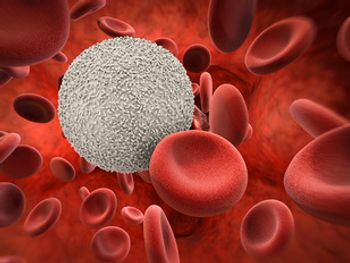
Researchers developed and validated a risk score to predict febrile neutropenia in cycles 2 to 6 of chemotherapy.

With its new FDA approval, Hemlibra (emicizumab-kxwh), a bispecific factor IXa- and factor X-directed antibody, has become the first prophylactic treatment for patients with hemophilia A with or without factor VIII inhibitors.


Treating lung conditions like asthma in pregnant women is a challenge, as it requires knowledge of both the safety of treatments during pregnancy as well as understanding the risks of the disease for both the woman and the infant, noted a review of a new Food and Drug Administration (FDA) information system for prescribers.

A retrospective study by Houtchens et al on annual pregnancy rates from 2006 to 2014 reveals that US women with multiple sclerosis (MS) had increased pregnancy rates as compared to women without MS.
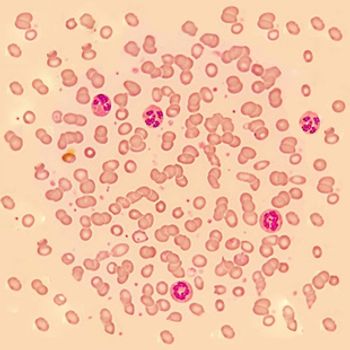
Abnormal concentrations of inflammatory markers detected in children with B-cell precursor acute lymphoblastic leukemia (ALL) support the theory that children with ALL are born with dysregulated immune function.

A recent study determined that patients with chronic obstructive pulmonary disease (COPD) and non-small cell lung cancer (NSCLC) had similar tumor microenvironment, but higher tumor infiltrating lymphocytes (TIL) exhaustion, than patients without COPD. The use of an anti-programmed cell death-1 (PD-1) antibody, nivolumab, was also demonstrated to be effective in this population.

The decline in fractures caused by osteoporosis has stagnated, leading bone experts to suspect a lack in osteoporosis diagnosis and treatment guideline adherence. To combat this, the American Society for Bone and Mineral Research (ASBMR) has added 5 clinical care recommendations to prevent secondary fractures in at-risk patients.

Patients with acute myeloid leukemia (AML) and febrile neutropenia that are de-escalated on day 5 if they were afebrile, hemodynamically stable, and without evidence of infection, had similar clinical outcomes and a decreased incidence of Clostridium difficile infections compared with patients without these early on re-evaluations for de-escalation.

The ornithine decarboxylase 1 (ODC1) gene, for the first time in humans, has been linked to a new pediatric disorder leading to macrosomia, macrocephaly, developmental delays, alopecia, hypotonia, and hearing loss, according to a new report.

In a review of sex hormones and their role in the development of multiple sclerosis (MS), Ysrraelit and Correale compiled multiple references to provide clinical details regarding hormones and their respective immunological mechanisms.

The SARIL-RA-MONARCH trial has shown that sarilumab has greater impact on many patient-reported outcomes (PROs) than adalimumab does.