

Investigators said they were able to confirm diagnoses of systemic lupus erythematosus (SLE) and thrombotic thrombocytopenic purpura (TTP) because they took a multidisciplinary approach.
Jared is a freelance writer for The American Journal of Managed Care® (AJMC®), and previously worked as a senior editor for HCPLive® at MJH Life Sciences®.
He has an MA from University of Sioux Falls. You can connect with Jared on LinkedIn.
Investigators said they were able to confirm diagnoses of systemic lupus erythematosus (SLE) and thrombotic thrombocytopenic purpura (TTP) because they took a multidisciplinary approach.

New data show the stark contrast between untreated infants with type 1 spinal muscular atrophy (SMA) and those who received risdiplam.

Still, investigators say there are gaps in spinal muscular atrophy (SMA) screening protocol that need to be filled.

New real-world evidence on non–small cell lung cancer (NSCLC) aligns with the results of a 2017 clinical trial.
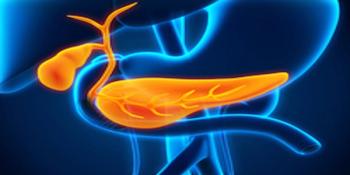
The combination is approved to treat hepatocellular carcinoma (HCC), but this case report suggests it can also work for combined HCC and cholangiocarcinoma (CHC).

Investigators say recent research into the development of cutaneous lupus erythematosus has created the potential for new therapies.

Investigators say classification based on magnetic resonance imaging can predict a patient’s risk of recurrence for intrahepatic cholangiocarcinoma (iCCA).

More people are eligible for screening, but a new analysis suggests lung cancer disparities are due to more than eligibility status.

The study also found broad tolerability, with 98% of patients remaining on the therapy after 12 months.

Clinical trials and targeted agents do not appear to affect health care–related quality of life, however.

A new case report highlights the difficulties in pinning down spinal muscular atrophy (SMA) when it presents in a mild form.
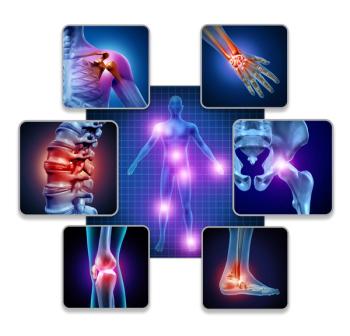
A new study highlights potential therapies to decrease cardiovascular risk in people with systemic lupus erythematosus (SLE) and identifies biomarkers that may indicate a heightened risk.

A patient who failed to respond to rituximab and steroids later saw dramatic improvement with sutimlimab

The research may eventually help clinicians optimize therapy with immune checkpoint inhibitors.

A new review article notes efforts to diagnose cholangiocarcinoma (CCA) early are hampered by a lack of biomarkers.

The technique outperformed physical examinations in identifying muscle fasciculations, which are common in spinal muscular atrophy (SMA).

A new study outlining the experiences of women with systemic lupus erythematosus (SLE) finds many women feel their initial symptoms are downplayed by providers, leading to costly delays in diagnosis.

Two studies showed how hospital-based trigger systems could help guide patients toward appropriate goals of care and in some cases palliative care.

Patients with cold agglutinin disease (CAD) had durable responses at week 53, and no new safety signals were reported.

New data suggest motor function improves with amifampridine.
A new review notes advances and remaining questions, and calls for better incorporation of data from veterans.

The tool could help clinicians better screen patients for adjuvant chemotherapy following curative resection for intrahepatic cholangiocarcinoma (ICC).

A new review article outlines current agreements and disagreements between association guidelines, but notes the recommendations are likely to change more in the future.

Data show surgery leads to the best outcomes.

Patients who received regular physical therapy had improvement that was 4 times better than nusinersen alone, findings from this new study show.

A booster dose of a SARS-CoV-2 vaccine cut infection risk nearly in half, study finds.

The analysis could help investigators better understand why a subset of patients with advanced melanoma develops resistance or does not respond to targeted therapy.

Better screenings and improved therapies have helped boost non–small cell lung cancer (NSCLC) outcomes, but investigators said some patient groups have seen less improvement than others.

This new report suggests patients with high-risk cutaneous squamous cell carcinoma (cSCC) have improved odds when they undergo Mohs micrographic surgery.

Veterans often have characteristics and comorbidities that can make them less likely to be included in clinical trials.