

Approaches such as new types of monoclonal antibodies and chimeric antigen receptor natural killer cells could change how chronic lymphocytic leukemia is treated, according to a recent review article.
Jared is a freelance writer for The American Journal of Managed Care® (AJMC®), and previously worked as a senior editor for HCPLive® at MJH Life Sciences®.
He has an MA from University of Sioux Falls. You can connect with Jared on LinkedIn.
Approaches such as new types of monoclonal antibodies and chimeric antigen receptor natural killer cells could change how chronic lymphocytic leukemia is treated, according to a recent review article.

The mortality rate for patients with systemic lupus erythematosus (SLE) was greater than one-third if they were admitted to an intensive care unit (ICU).

The meta-analysis found insufficient evidence to assess the validity of the screening in diagnosing age-related macular degeneration.

About 15% of cases of large granular lymphocytic leukemia involve natural killer cells.

A new review article outlines the latest research and results into programmed cell death-1/programmed cell death ligand-1 (PD-1/PD-L1) inhibitors for the treatment of myelodysplastic syndromes (MDS) and acute myeloid leukemia (AML).

The QRISK3 model outperformed more traditional models like the Framingham Risk Score, according to a new report.

Investigators sought to show how individual cases could be clarified through the use of flow cytometry analysis.
Drugs targeting pulmonary arterial hypertension often do not have clinical or functional benefits, a meta-analysis shows, for patients with comorbid pulmonary (PH) hypertension/chronic obstructive pulmonary disease (COPD).

The results of a new longitudinal analysis cast doubt on the utility of serial interferon assessment.

The data largely align with outcomes in high-income countries, with male sex and people with low body weight at particular high risk of mortality.
Measures of metabolism and energy expenditure did not appear to be associated with brown adipose tissue activation in patients with emphysematous chronic obstructive pulmonary disease (COPD).

Patients with histories of inflammatory bowel disease and systemic lupus erythematosus were also at elevated risks of myelodysplastic syndromes (MDS), the authors found.

The circulating RNA hsa_circ_0003416 appears to be downregulated in patients with pulmonary arterial hypertension (PAH), according to new research.

New subsets of patients with systemic lupus erythematosus (SLE) and new therapeutic targets have been discovered in recent years.

Many patients with chronic obstructive pulmonary disease (COPD) do not believe their cases warrant emergency department care.
This new study from Spain investigated risk factors for COPD among individuals without a smoking history.
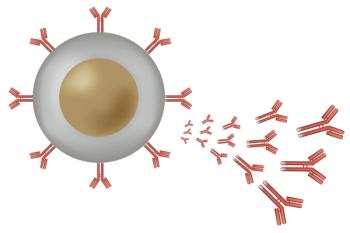
Immunoglobulins, free light chains, and beta-2 microglobulin all show promise in tracking systemic lupus erythematosus (SLE) and other autoimmune diseases.
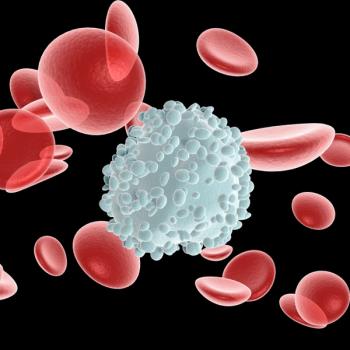
Patients with high eosinophil counts appeared to benefit from inhaled corticosteroid (ICS) therapy for chronic obstructive pulmonary disease (COPD), while those with low counts did not.

High-risk patients and patients with a history of pulmonary arterial hypertension (PAH) had significantly different cytokine profiles compared with patients with a low risk of the condition.

Several potential biomarkers have emerged, although most still require significant validation before they can be used in the clinic.
However, the differences did not translate into an increased or decreased death rate among the cohort.

A range of new non-serum biomarkers have been identified in recent years, but the authors of a new review urge caution until those markers are further validated.

A new report outlines helpful strategies for pediatric patients with pulmonary arterial hypertension, although experts say more research is needed to catch up with advances in the field.

A small proportion of patients have symptoms of both asthma and chronic obstructive pulmonary disease. A new report suggests there might be an intermediate phenotype.

Serum levels of 4 key cytokines were decreased after 8 weeks of mild exercise, compared with controls.

Central Mexican women and women from Yucatán both had risk factors for systemic lupus erythematosus, but they differed in type and degree of risk.

Two common models, the CURB-65 and BAP-65, had low predictive value in determining which patients with pneumonic chronic obstructive pulmonary disease would not survive.

The report builds upon existing research into metabolic biomarkers, identifying 14 differential biomarkers in patients with systemic lupus erythematosus and skin involvement.

Investigators analyzed 12 categories of workplace agents, but only the composite category of pesticides was found to be linked with developing chronic obstructive pulmonary disease.

Although a number of biomarkers can be used to track features of pulmonary hypertension, no single biomarker is sufficient, according to a new review.