

Joseph Aracri, DO, Allegheny Health Network, spoke with The American Journal of Managed Care® about preventing respiratory syncytial virus (RSV) through immunoglobulin-based treatments and everyday actions.

Julia is an associate editor for The American Journal of Managed Care® (AJMC®) and joined AJMC® in 2022. She produces written and video content covering multiple disease states, and assists in the screening process for manuscripts submitted to AJMC®.
She has a BA in English language and literature from Rutgers University. You can connect with Julia on LinkedIn.
Joseph Aracri, DO, Allegheny Health Network, spoke with The American Journal of Managed Care® about preventing respiratory syncytial virus (RSV) through immunoglobulin-based treatments and everyday actions.

The US Preventive Services Task Force (USPSTF) has recommended that clinicians prescribe pre-exposure prophylaxis (PrEP) to decrease the risk of acquiring HIV.

Individuals with a higher risk of primary open-angle glaucoma (POAG) could be identified using a polygenic risk score, recent study found.

Palivizumab may be well tolerated and effective in the prevention of serious respiratory symptoms due to infection with respiratory syncytial virus (RSV).

A recent study found that children who had private insurance had a higher probability of vision testing compared with uninsured and publicly insured children.

Men who have sex with men living with HIV were found to have diagnosis rates of sexually transmitted infections (STIs) that were stable throughout the COVID-19 pandemic.

In a study of adolescents and young adults with sickle cell disease (SCD), researchers did not find a link between neurocognitive performance and pain and fatigue.

A recent study found that most infants who required intensive care for respiratory syncytial virus (RSV) were healthy and born at term, indicating that preventive interventions for RSV must target all infants, according to the authors.

Patients with nonischemic branch retinal vein occlusion had their macular edema severity associated with leakage index.

The overall burden of aging-related comorbidities was higher in women compared with men, especially in people living with HIV.

The pain and impact of sickle cell disease (SCD) was associated with patient social and emotional functioning in a recent study.

A global assessment found that there was a high prevalence of chronic pain in women living with HIV.
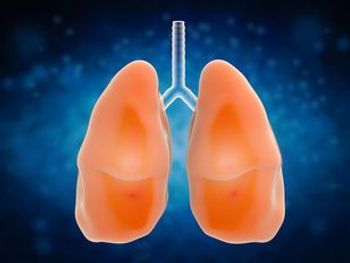
Results of a new review confirm an association between respiratory syncytial virus (RSV) and wheezing in infants.

The FDA approved the usage of Izervay (avacincaptad pegol) for the treatment of geographic atrophy secondary to age-related macular degeneration.
A review identified specificities that suggested that infections of respiratory syncytial virus (RSV) evolve chest tomography features.
Female sex workers were found to have tested for HIV less in 2020 than had been reported in 2015.

New research found that women in Somalia relied on television and radio to learn about HIV/AIDS.

Adults who used smokeless tobacco products were more likely to have age-related macular degeneration (AMD) compared with cigarette smokers.

Patients with acquired thrombotic thrombocytopenic purpura (aTTP) showed significant benefits in critical outcomes when treated with caplacizumab as well as the standard regimen.

The oral respiratory syncytial virus (RSV) fusion protein inhibitor AK0529 was found to be well tolerated and reduced viral load in infants.
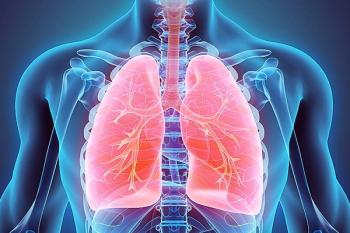
A study that analyzed pre- and postpandemic respiratory syncytial virus (RSV) seasons found that children and adults followed the same biannual pattern.

A study conducted in Japan found that short-term exposure to statins was not associated with an increased risk of open-angle glaucoma (OAG) in a population with dyslipidemia.

Women with HIV who reported heavy alcohol use were more likely to have lower self-reported health status, but this association was not seen in men with HIV.
A study conducted in Colombia found that detection of respiratory syncytial virus (RSV) was associated with air pollutants, the health care system, and weather.
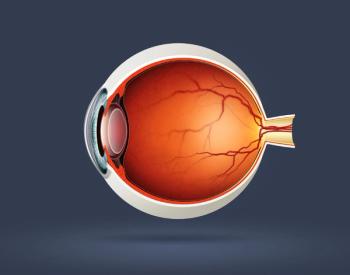
Having optometrists perform laser eye surgery was not found to lead to a meaningful increase in nearby health care professionals for the population.
Patients with age-related macular degeneration (ARMD) with geographic atrophy should use low vision aids.
A study conducted in China found that respiratory syncytial virus (RSV) epidemic was seasonal and most often infected infants born 1 to 2 months before the start of the season.

Comorbidities assessed included cardiovascular, cancer, pulmonary, and mental health diagnoses, chosen due to their relation to smoking and their substantial mortality burden.

Beyfortus, which can help prevent respiratory syncytial virus (RSV) in infants and toddlers, was approved by the FDA on July 17.
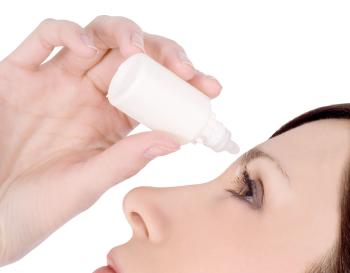
A study that focused on children aged 5 to 12 years who lived in the United States found no difference between atropine 0.01% and placebo in treating myopia progression.