
Long-term temporal and spatial trends, as well as changes, can be estimated using hospital admission data when the burden on health care systems is increased.

Julia is an associate editor for The American Journal of Managed Care® (AJMC®) and joined AJMC® in 2022. She produces written and video content covering multiple disease states, and assists in the screening process for manuscripts submitted to AJMC®.
She has a BA in English language and literature from Rutgers University. You can connect with Julia on LinkedIn.
Long-term temporal and spatial trends, as well as changes, can be estimated using hospital admission data when the burden on health care systems is increased.

Perfluorohexyloctane (NOV03) was able to reduce the signs and symptoms of dry eye disease (DED) when compared with hypotonic saline control and was well tolerated.

Patients who had limited proficiency with English or preferred the use of another language had increased hospitalization and death rates if they delayed time to their first dose of the vaccine.

Patients who were admitted to the hospital for respiratory syncytial virus (RSV) had a higher risk of a complex hospital course and had higher rates of respiratory support compared with patients admitted for influenza.
A recent study found the mortality rate for patients hospitalized for respiratory syncytial virus (RSV) to be 6.6%, with approximately 25% of hospitalized patients requiring admission to the intensive care unit.

A new study has found that respiratory syncytial virus (RSV) infections were more frequent and severe compared with influenza A/B in older adults.

A ruling by District Judge Reed O’Connor on March 30 called the future of preventive care access into question.

Treatment for age-related macular degeneration (AMD) and diabetic macular edema (DME) for a single year was found to be lowest when using bevacizumab.

The incidence of respiratory syncytial virus (RSV)–positive acute respiratory infection (ARI) was found to be significant in the period prior to the COVID-19 pandemic in older adults.
Associated hospitalization burden could be 2.2 times higher in older adults with respiratory syncytial virus (RSV) than was previously estimated, according to a recent study.

Protection against COVID-19 and vaccine effectiveness increased after receiving 1 or 2 booster doses compared with a primary series alone, but vaccine effectiveness generally declined as the time since last dose increased.

American Indians and Alaska Native individuals had lower estimates of incidence of diabetic retinopathy than had been reported.

A recent study found that chatbot systems that used artificial intelligence (AI) could be valuable in providing access to current, accurate, and complete information about infectious diseases and vaccines against them.
A systematic review found that there were currently a limited number of clinical trials evaluating treatment for dry eye disease (DED) that is associated with meibomian gland dysfunction (MGD).

In this new study, vaccine efficiency calculations were determined by the amount of heterogeneous and homogenous contact had by vaccinated individuals.

A study of Navy sailors and Marines from the United States found that only 7.7% of participants had neutralizing antibodies for the Omicron variant 8 months after vaccination.

Ganglion cell/inner plexiform layer (GCIPL) and circumpapillary retinal nerve fiber layer (cpRNFL) thinning were both associated with a higher risk of developing perimetric glaucoma.

A recent study found that a latent cytomegalovirus infection can have a negative effect on mRNA vaccine responsiveness to COVID-19 infection.
A recent review found that the performance of the Amsler grid test was not at a level that was recommended for detecting early or dry age-related macular degeneration (AMD).

The end of the national public health emergency in May has broad implications for the way vaccines, testing, and treatment will be distributed and made available nationwide.

Braden Manns, MD, MSc, a nephrologist and health economics researcher at the University of Calgary in Canada, will present the results of a randomized trial evaluating the impact of removing co-payments for drugs that treat chronic conditions on cardiovascular outcomes during the American College of Cardiology Scientific Sessions in New Orleans, Louisiana, on Sunday, March 5.

The Pediatric Eye Disease Investigator Group collected data on children who had lensectomy prior to age 13 years in a 5-year span.

A recent study found that understanding and engaging with community-based organizations could help public health officials and care providers disperse accurate information and address disparities surrounding COVID-19 and routine immunizations.

A review found that adverse neonatal and maternal outcomes were not associated with COVID-19 vaccination during pregnancy.

Richard Allen, MD, PhD, FACS, professor at Baylor College of Medicine, reviewed the challenges of oculoplastic surgery in pediatric patients.
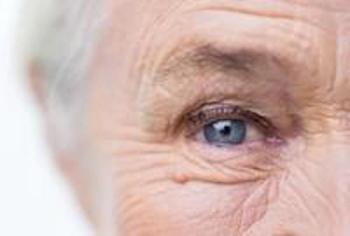
A review found that visual impairment is common in older adults with dementia and associated with negative effects.
A new study has found that adults who were vaccine hesitant were more likely to show a positive change in opinion when presented with an interactive risk ratio simulation.

Amy Crawford-Faucher, MD, vice chair of the Primary Care Institute and Department of Family Medicine at Allegheny Health Network, discussed recent reports from the World Health Organization about COVID-19.
A nightly use of 0.05% atropine eyedrops resulted in a lower incidence of myopia compared with placebo.
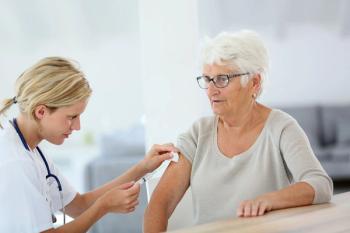
A new study found that protection from the Omicron variant waned 6 months after the second dose of a COVID-19 vaccine in older patients.