

In a recent webinar, experts explored the Most Favored Nation mandate’s implications on drug pricing, patient access, and pharmaceutical innovation.

Maggie is a lead editor for The American Journal of Managed Care® (AJMC®), AJMC.com, and Evidence-Based Oncology, for which she produces written, video, and podcast content covering several disease states. She joined AJMC® in 2019, and she has been with AJMC®’s parent company, MJH Life Sciences®, since 2014, when she started as a copy editor.
She has a BA in English from Penn State University. You can connect with Maggie on LinkedIn.
In a recent webinar, experts explored the Most Favored Nation mandate’s implications on drug pricing, patient access, and pharmaceutical innovation.

On July 9, 2025, experts from across Providence Health & Services gathered in Garden Grove, California, for in-depth discussions on patient-centered care for chronic diseases.

Cilta-cel demonstrates superior efficacy and durability in treating high-risk myeloma, balancing effectiveness with safety concerns for patients.
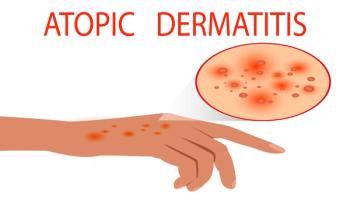
AD-related outcomes were compared in patients treated with JAK1 inhibitors and IL-13 antibodies, with short-term efficacy biomarkers considered for treatment outcomes.
A new FDA-approved blood test for Alzheimer disease could transform diagnosis and treatment accessibility, according to this conversation with Howard Fillit, MD, and Anthony “Nino” Sireci, MD, MSc.

New guidelines and advocacy enhance myasthenia gravis treatment access, promoting proactive management and improved insurance coverage for diverse patient populations.

Discontinuing dupilumab for atopic dermatitis (AD) may increase relapse risk, which requires ongoing management and tailored treatment strategies to manage that risk.

Long-term follow-up data on the use of BCMA-directed RNA chimeric antigen receptor T-cell therapy (CAR T) for refractory generalized myasthenia gravis show patient outcomes at 2, 3, 6, 9, and 12 months.
In this conversation with Reuben Daniel, associate vice president of artificial intelligence at UPMC Health Plan, we dive into how UPMC Health Plan builds trust with providers and members, discuss challenges of scaling AI effectively, and hear about concrete examples of AI's positive impact.

Rusfertide has received orphan drug, fast track, and breakthrough therapy designations from the FDA, and in this interview, Andrew Kuykendall, MD, Moffitt Cancer Center, emphasizes the critical need for therapies that offer a sense of normalcy to individuals with polycythemia vera.

Close to 40% of patients with right heart failure and pulmonary arterial hypertension (PAH) who remain critically ill and require admittance to the intensive care unit die within 1 year of that hospitalization.

There are many types of vaccine technologies, and this article will explore a diverse set that includes attenuated live pathogens and toxoid vaccines, highlighting their mechanisms, benefits, and limitations.

Lebrikizumab shows sustained efficacy and safety in managing moderate to severe atopic dermatitis over 3 years, reducing the need for rescue therapies.

The definition of comprehensive non-small cell lung cancer (NSCLC) testing is rapidly evolving with new biomarkers and therapies, according to Julia Rotow, MD, creating added challenges for community practices.

Renal denervation modestly lowers blood pressure, with durable long-term benefits, according to Deepak L. Bhatt, MD, MPH, MBA.

Using US claims data, the authors evaluated oral glucocorticoid (GC) use at 5 time points during their retrospective analysis: 3 months before starting efgartigimod and 3, 6, 9, and 12 months after starting efgartigimod.

Treatment challenges that Anasuya Gunturi, MD, PhD, encounters in her work at Lowell General Hospital include language differences and confusion about scheduled appointments.

The humanized IgG4 monoclonal antibody was first approved for myasthenia gravis in the US in 2023, with approvals in Japan and the European Union following later that year and 2025, respectively.

Precision oncology's promise was the key theme of the July 17 session of the Institute for Value-Based Medicine with faculty from multiple institutions in the Boston, Massachusetts area.

The American Society for Preventive Cardiology (ASPC) marked its 40th anniversary this year at the ASPC Congress on CVD Prevention in Boston, held August 1-3, with 3 days of debates, presentations, oral abstracts, and posters.

In this study, total flares were investigated for their propensity to predict atopic dermatitis disease severity among adult patients.

Deepak L. Bhatt, MD, MPH, MBA, of Mount Sinai Fuster Heart Hospital, spoke at the recent ASPC 2025 Congress on CVD Prevention to illustrate both the benefits and risks associated with renal denervation. Bhatt addresses the procedure in the context of lifestyle interventions and novel drug therapies.
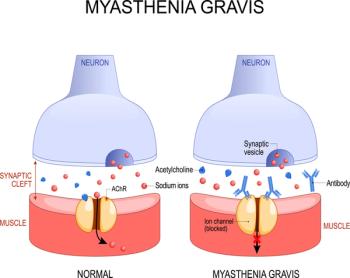
Despite nurses often being the first health care workers many patients encounter, they frequently lack adequate tools to optimally evaluate their patients’ conditions, as in the case with myasthenia gravis and being able to predict patients at risk of myasthenic crisis.

This approval brings the total to 4 of medications approved to treat fibromyalgia; in addition to cyclobenzaprine HCl sublingual tablets (TNX-102 SL; Tonmya; Tonix Pharmaceuticals), there are pregabalin (Lyrica; Viatris), duloxetine (Cymbalta; Eli Lilly), and milnacipran (Savella; AbbVie).

A new national poll puts on full display the concerns of many parents that their children’s mental health and physical health are worsening, and that social media leads the way as a top cause.

Despite its potential, incorporating new treatments like T-DXd into a first-line setting faces several barriers, explains Michael Hassett, MD, MPH, chief quality officer at Dana-Farber Cancer Institute in Boston.

The INTEGUMENT-OLE study is an open-label extension analysis that followed a primary investigation from the phase 3 INTEGUMENT-PED trial, which investigated the efficacy and safety of once-daily roflumilast cream 0.05% for atopic dermatitis in children aged 2 to 5 years.

Amir Fathi, MD, leukemia specialist at Massachusetts General Hospital, discusses the importance of advocacy by both patients and their treatment team and key distinct toxicities that require vigilance.

Among patients who have myasthenia gravis, even low disease activity can impact their quality of life (QOL) via motor fatiguability.

Despite knowledge of the benefits of right heart hemodynamic measures for evaluating patient prognosis in the setting of pulmonary arterial hypertension (PAH), gaps remain in a defined role for tricuspid regurgitation as it relates to echocardiographic phenotype.