

Researchers from the University of California San Francisco published their results in the Journal of Urology.
Mary Caffrey is the Executive Editor for The American Journal of Managed Care® (AJMC®). She joined AJMC® in 2013 and is the primary staff editor for Evidence-Based Oncology, the multistakeholder publication that reaches 22,000+ oncology providers, policy makers and formulary decision makers. She is also part of the team that oversees speaker recruitment and panel preparations for AJMC®'s premier annual oncology meeting, Patient-Centered Oncology Care®. For more than a decade, Mary has covered ASCO, ASH, ACC and other leading scientific meetings for AJMC readers.
Mary has a BA in communications and philosophy from Loyola University New Orleans. You can connect with Mary on LinkedIn.
Researchers from the University of California San Francisco published their results in the Journal of Urology.
Results were released for a leading chimeric antigen receptor (CAR) T-cell therapy candidate in multiple myeloma, along with long-term findings for an early treatment that may soon face competition.
The lead investigator touted the benefits of subcutaneous administration of daratumumab in relapsed multiple myeloma (MM) during a presentation on practice-changing results ahead of the American Society of Hematology annual meeting.
A preview of the 62nd annual American Society of Hematology meeting, taking place in a virtual format.

Penn Medicine researchers use mice experiments to find a potential solution to the challenge of delivering CAR T cell treatments to solid tumors in glioblastoma.

City of Hope's Dr. Tanya Siddiqi offers an update on a new chimeric antigen receptor (CAR) T-cell therapy awaiting approval from the FDA.

Authors in the Journal of Clinical Oncology discuss hypotheses on the differences in mutations and implications for treatment with PARP inhibitors.
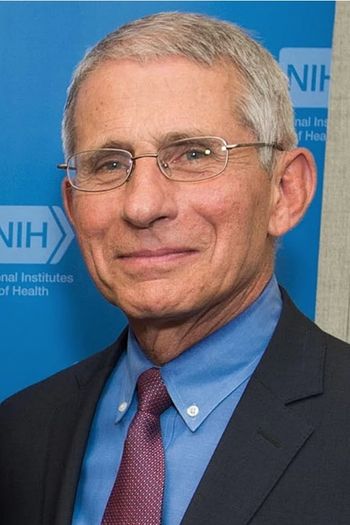
Dr. Anthony Fauci discusses the cardiovascular implications of coronavirus disease 2019 (COVID-19) at the American Heart Association Scientific Sessions.

After recent setbacks, the beleaguered drug reduced cardiovascular events and may be a choice for patients with severe chronic kidney disease.
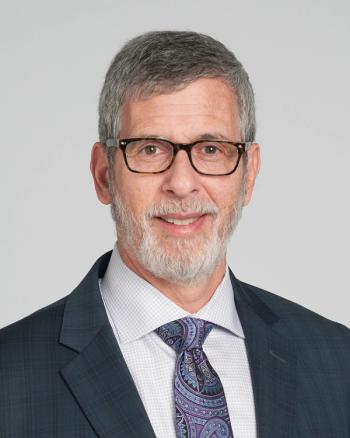
The investigator of the STRENGTH study says findings raise questions about the landmark REDUCE-IT trial, but other evidence suggests the drugs involved are different.
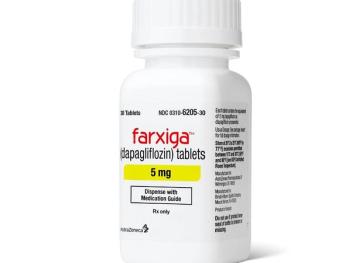
A registry study suggests 4 in 5 patients with heart failure might benefit from the SGLT2 inhibitor dapagliflozin.


The vice president for Clinical Services at OneOncology describes challenges and opportunities for chimeric antigen receptor (CAR) T-cell therapy in the community practice setting.

An investigational drug, IMM-101, already being studied for its ability to increase the effects of immuno-oncology agents, may be able to prevent or lessen the effects of COVID-19 among those with cancer.

A discussion of the final Radiation Oncology Model; after this article went to press, CMS announced a delay until July 2021, reflecting concerns of radiation oncologists.
Value-based insurance design has made gains in oncology, but there's more work to do.

A look at the special challenges of delivering cancer care in rural areas, as ASCO seeks to address this issue.
Panelists at the Community Oncology Alliance Payer Exchange Summit take issue with strategies they say harm patients and don't save money in the long run.

Bhuvana Sagar, MD, national medical executive, Cigna Health Care, offers insights on implementing payment reform models in oncology after a session at the 2020 Community Oncology Alliance Payer Exchange Summit.
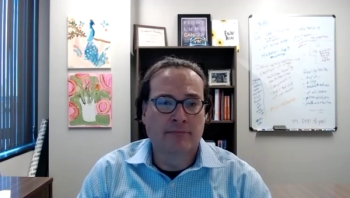
Lalan Wilfong, MD, executive vice president for quality programs and value-based care at Texas Oncology and Community Oncology Alliance payment reform co-chair, discusses the role of employers in cancer care benefits and issues stemming from the pandemic.
Evolution and collaboration are the fundamentals of bringing oncology payment reform plans to fruition, say 3 professionals on the front lines.
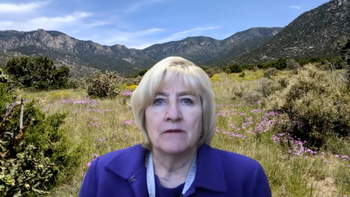
Barbara McAneny, MD, founding partner of New Mexico Oncology Hematology Consultants, discusses the challenges in care delivery with step therapy in Medicare Advantage and much-debated home infusion in oncology.
The Community Oncology Alliance Payer Exchange Summit always offers frank discussion, and this year's virtual format promises more of the same.
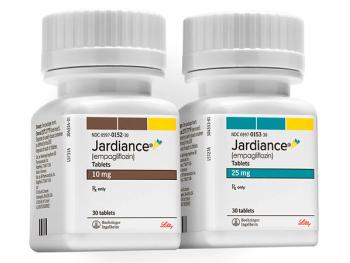
New results from EMPEROR-Reduced presented at Kidney Week 2020.

The launch comes as major cancer research organizations are calling for ways to increase diversity in clinical trials.

Prompted by students, the medical school overturned a longstanding diagnostic protocol that was not well-founded in evidence.

The recent focus on disparities in health care comes through in the call to action.

Results showed variation by age, gender, and partisan affiliation. But there's agreement on the need to lower the cost of prescription drugs.
More Humana doctors are taking on full global risk under Medicare Advantage than are still using traditional fee-for-service.
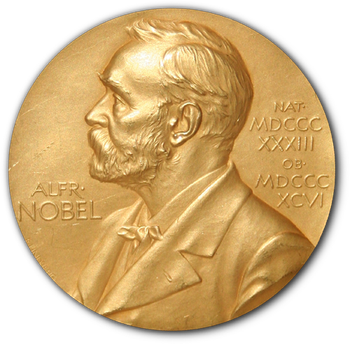
Two Americans and a British scientist share the 2020 Prize for Physiology or Medicine for work in the 1970s through the 1990s. The rise of agents to treat hepatitis C virus has created vexing questions in managed care.