The 175th Annual Meeting of the American Psychiatric Association featured a session on how cultural and ethnic differences could affect reponses to drugs.
Mary Caffrey is the Executive Editor for The American Journal of Managed Care® (AJMC®). She joined AJMC® in 2013 and is the primary staff editor for Evidence-Based Oncology, the multistakeholder publication that reaches 22,000+ oncology providers, policy makers and formulary decision makers. She is also part of the team that oversees speaker recruitment and panel preparations for AJMC®'s premier annual oncology meeting, Patient-Centered Oncology Care®. For more than a decade, Mary has covered ASCO, ASH, ACC and other leading scientific meetings for AJMC readers.
Mary has a BA in communications and philosophy from Loyola University New Orleans. You can connect with Mary on LinkedIn.


The 175th Annual Meeting of the American Psychiatric Association featured a session on how cultural and ethnic differences could affect reponses to drugs.

Studies presented in posters at the 175th Annual Meeting of the American Psychiatric Association demonstrated that the combination of olanzapine and samidorphan kept weight gain below levels typically seen in commonly used antipsychotics.

The poll by the American Psychiatric Association found that young men were especially reluctant to seek mental health care from their employers, even though most workers, especially young ones, said they felt willing to discuss mental health in the workplace.

The American Journal of Psychiatry published one of the studies that led to approval of one of the most anticipated therapies in years: esketamine for treatment-resistant depression.

The presenter of the study said the results show that children who are in a severe mass trauma need to be closely followed, and clinicians need to screen for trauma as a medical issue.

A discussion with University of California at Berkeley sociologist Arlie Hochschild, PhD, author of the best-seller Strangers in Their Own Land: Anger and Mourning on the American Right, addressed how social psychiatry can help bridge the current political divide.

The 175th Annual Meeting of the American Psychiatric Association, meeting in San Francisco, California, featured research about loneliness among minority women at midlife.

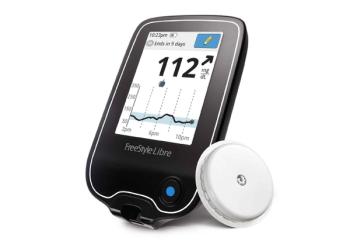
Some people living with type 1 diabetes are unhappy with commercial technology currently avaiable, while others see their choices limited by payer coverage decisions.

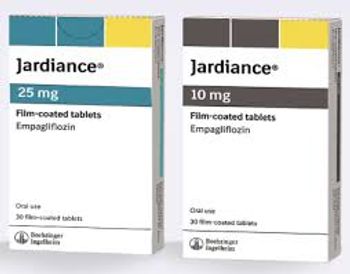
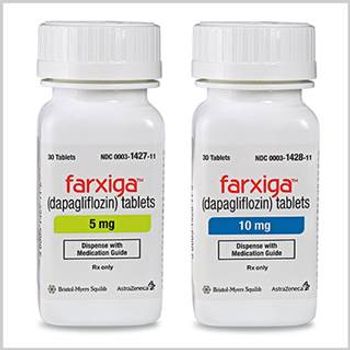
Dual inhibitors target both the SGLT1 and SGLT2 proteins in the digestive and renal systems to prevent reuptake of excess glucose.

Cure rates for Hodgkin lymphoma are high, but survivors may live for decades with side effects from chemotherapy. Finding a new treatment target could lead to fewer toxic effects.

Researchers say by targeting a protein that assists KRAS mutations, they have overcome the challeges of resistance to treatment in a mouse model.

As pharmaceutical manufacturers and pharmacy benefit managers point fingers over who is responsible for high drug prices, employers have the opportunity to demand change to business as usual, consultant Chris Robbins of Arxcel says.

Bryan Chiang's concept lets a user take a photo of the eye using a special adapter on the smartphone; the image is then analyzed to predict blood glucose levels.

Proof-of-concept studies suggest the treatment that targets CD47 produces a strong response in patients with diffuse large B-cell lymphoma (DLBCL) with fewer adverse effects than current options.

The use of the circulating tumor DNA workflow demonstrated a proof of concept for this system of guiding treatment in the most common form of ovarian cancer.

Older patients who are improperly diagnosed may not gain access to insulin and delivery and monitoring tools, such as pumps or continuous glucose monitoring.

Radiotherapy after chemotherapy is controversial, as evidenced by the fact that doctors for some patients in the study did not follow the protocol for those assigned to radiotherapy and may have affected the results.

The results may lead to the first new option in years for youth with type 2 diabetes, besides metformin and insulin.

The CDC created the National Diabetes Prevention Program following a study of a lifestyle intervention; new results show that more than a third of adults who are referred to a program take part, but only a fraction are referred.

Modifications to the engineering of the chimeric antigen receptor (CAR) mean that the patient produces fewer cytokines and has time to clear them before they build up in the bloodstream.

The study by researchers at Penn State College of Medicine found those with type 1 diabetes who read blogs had lower glycated hemoglobin (A1C) levels, and the combination of reading blogs and using continuous glucose monitoring produced the best glycemic control.

The Bold Goal Program began with the mission of improving health in target communities by 20% by 2020.


Conference coverage updates from the Community Oncology Alliance's annual meeting.

Updates from the Association of Community Cancer Centers annual meeting.

Policy updates from the National Comprehensive Cancer Network's annual meeting.

The scientists used machine learning to test the algorithm and believe it could double the number of women who would be treated with poly (ADP-ribose) polymerase (PARP) inhibitors for breast cancer.

Clinical updates from the National Comprehensive Cancer Network's annual meeting.

Academic medical centers and a group representing community oncology practices have both raised concerns about CMS’ proposed reimbursement plan for chimeric antigen receptor (CAR) T-cell therapy, the individually manufactured gene treatments that are revolutionizing cancer care. The plan will be finalized next month, a year after the federal government launched a national coverage analysis to determine how to pay for these lifesaving yet expensive cancer treatments.

259 Prospect Plains Rd, Bldg H
Cranbury, NJ 08512
© 2025 MJH Life Sciences®
All rights reserved.