
Separate risk systems now guide intensive and lower-intensity AML therapy, and objective fitness criteria are replacing the eyeball test in deciding which patients should receive which approach.
Separate risk systems now guide intensive and lower-intensity AML therapy, and objective fitness criteria are replacing the eyeball test in deciding which patients should receive which approach.
Acute myeloid leukemia arises from stem cell mutations and clonal expansion, and while diagnosis is rarely in doubt, genetic testing now shapes every treatment decision that follows.
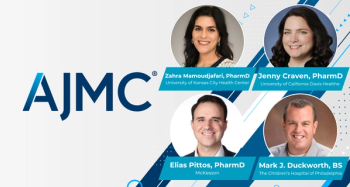
Experts outline what it takes to build a sustainable CGT program, from governance and SOPs to navigating complex reimbursement landscapes.
A clinical pharmacy leader outlines 8 interdependent domains institutions must master to build financially sustainable, patient-accessible CGT programs.

The newly approved mosunetuzumab for relapsed/refractory follicular lymphoma improves clinic efficiency and patient experience, says Zahra Mahmoudjafari, PharmD, MBA, BCOP.
Subcutaneous mosunetuzumab simplifies the delivery of the bispecific therapy for patients with relapsed/refractory follicular lymphoma, says Zahra Mahmoudjafari, PharmD, MBA, BCOP.
Experts discuss the importance of transitioning cancer care from academic centers to community settings, ensuring effective patient management and support.
Experts discuss the importance of transitioning cancer care from academic centers to community practices, ensuring patient support and effective communication.
Health care providers discuss the evolving treatment landscape for follicular lymphoma, emphasizing the importance of education and operational readiness for patient care.
Discover effective strategies for monitoring and managing CRS toxicity and ICANS, enhancing patient care and reducing burdens in treatment.
Explore the safety considerations and unique toxicities of bispecific antibodies, including cytokine release syndrome and neurotoxicity management.
Explore the latest advancements in bispecific antibodies for multiple myeloma, focusing on early treatment opportunities and innovative trial designs.
Explore effective operational protocols for managing oncology patients, emphasizing multidisciplinary teamwork and proactive strategies to handle treatment toxicities.
Explore effective operational protocols for managing oncology patients, emphasizing multidisciplinary teamwork and proactive strategies to handle treatment toxicities.
Explore the operational challenges and solutions in administering bispecific therapies for follicular lymphoma, focusing on patient safety and education.
Explore the promising results of the REDIRECT trial, combining bispecific therapies for treating relapsed/refractory myeloma with high response rates.
Explore the promising results of the REDIRECT trial, combining bispecific therapies for treating relapsed/refractory myeloma with high response rates.
A recent ASH study highlights the impact of CAR T and bispecific therapies on patient time commitment and quality of life in treatment decisions.
Real-world evidence highlights the effectiveness of teclistamab and elranatamab in treating frail multiple myeloma patients, paving the way for future therapies.
Explore the latest insights on clinical trial data and real-world evidence for innovative cancer therapies, highlighting efficacy and safety.
Explore the promising role of Epcoritamab and bispecific therapies in second-line treatment for follicular lymphoma, enhancing patient outcomes.
Explore the unique mechanisms of bispecific antibodies and their rapid availability compared to CAR T-cell therapies in cancer treatment.
Explore the unique mechanisms of bispecific antibodies versus CAR T-cell therapies in treating multiple myeloma and their clinical implications.
Explore the promising role of Epcoritamab and bispecific therapies in second-line treatment for follicular lymphoma, enhancing patient outcomes.
Explore the latest insights on second-line therapies for follicular lymphoma, including the benefits and challenges of R2 treatment.
Explore the advancements in bispecific antibodies for follicular lymphoma, addressing treatment options, toxicities, and unmet patient needs in cancer care.
Explore the transformative potential of bispecific antibodies in multiple myeloma, offering hope for improved patient outcomes and possible cures.
Experts discuss the critical challenges in accessing innovative treatments for relapsed refractory multiple myeloma, emphasizing equity and education.
Explore innovative treatments for relapsed follicular lymphoma, focusing on novel therapies that enhance patient outcomes and reduce chemotherapy toxicity.
Experts discuss the critical challenges in accessing innovative treatments for relapsed refractory multiple myeloma, emphasizing equity and education.
September 3rd 2024
September 3rd 2024

