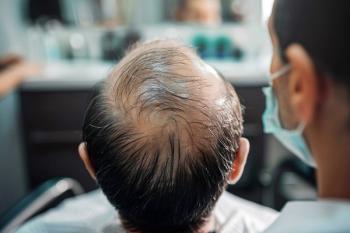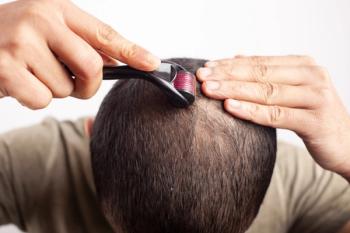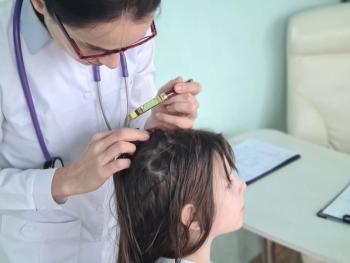

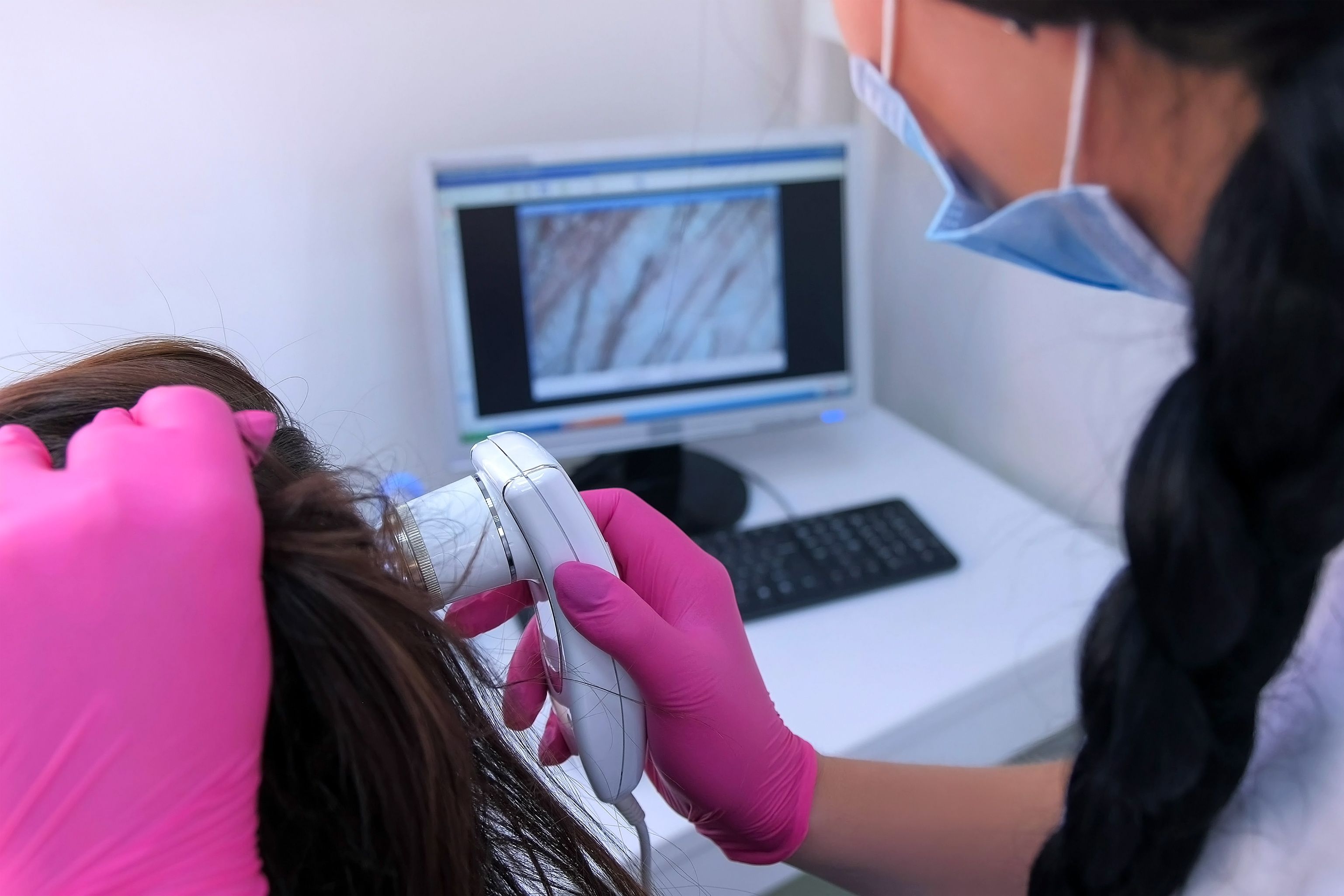

A survey of pediatric dermatologists revealed that topical corticosteroids are the most common first-line treatment for children with alopecia areata, regardless of age or hair loss severity.

A survey of pediatric dermatologists revealed that topical corticosteroids are the most common first-line treatment for children with alopecia areata, regardless of age or hair loss severity.

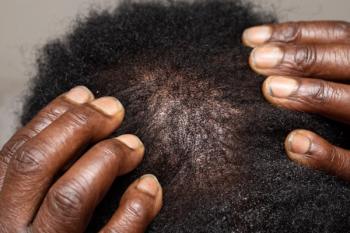
Black women with alopecia often struggle between concealing their hair loss and protecting their fragile scalps, all while seeking to express their cultural identity and build self-confidence.

A US study found alopecia areata (AA) is more common in non-White patients, likely due to underrepresentation in dermatology, leading to less consideration of AA as a diagnosis for non-White individuals.

People with alopecia areata who experience hair regrowth may also see improvements in their quality of life and mental health, according to a new study.

Baricitinib is more commonly prescribed by dermatologists for patients with alopecia in the United States and is projected to maintain a substantial market lead over ritlecitinib.

A new analysis evaluated the economic implications of alopecia on women and their families, with significant out-of-pocket expenses attributed to treatments and measures to conceal the condition.

The presence of cochlear dysfunction found in patients with alopecia areata (AA) suggests the need for more comprehensive assessment and management of hearing-related issues associated with AA.

Pharmacists play a role in advising patients with hair loss about self-management and proper application of over the counter products.

The distribution of eyebrow and eyelash hair loss in relation to the severity of scalp hair loss remains underexplored, and this study established baseline characteristics.

Patients with alopecia areata showed improved response rate with oral Janus kinase (JAK) inhibitors vs topical and sublingual JAK inhibitor administration.

Patients with alopecia areata were less likely to report decisional regret regarding treatment when dermatologists incorporated shared decision-making, with prescription of Janus kinase (JAK) inhibitors associated with the lowest decisional regret.

Despite decreasing trends observed in the global burden of alopecia areata, low-income countries and Western Sub-Saharan Africa regions continue to exhibit rising incidence and disability-adjusted life-years rates.

259 Prospect Plains Rd, Bldg H
Cranbury, NJ 08512
© 2025 MJH Life Sciences®
All rights reserved.