





Alopecia
Latest News
Advertisement
Latest Videos
Advertisement
More News

A Canadian expert panel says SALT scores miss the point: its new algorithm weighs quality of life and disease pace to guide alopecia areata treatment.

An expert discusses gaps in pediatric alopecia areata evidence, missed trial outcomes, and what managed care should change for children with the disease.
Brittany G. Craiglow, MD, FAAD, discusses JAK inhibitor hesitancy in pediatric alopecia areata, boxed warnings, and why step therapy falls short.
Brittany G. Craiglow, MD, FAAD, discusses the psychiatric and psychosocial toll of alopecia in children and adolescents, and its impact on treatment initiation.
A dermatology review proposes sorting patients with overlapping atopic dermatitis and alopecia areata into 3 immunophenotype-guided archetypes to select and sequence systemic therapy.
JAK inhibitors are reshaping alopecia areata care, while global registries aim to address long-term safety and effectiveness data gaps.
Spanish dermatology consensus guides alopecia areata treatment escalation, highlighting JAK inhibitors, SALT-based staging, special-population care, and essential screening requirements.
Alopecia areata shapes how people work, learn, and see themselves, a new occupational review finds, with barriers reaching far beyond hair loss.

New review guides hair loss care for transgender and gender-diverse patients, detailing how androgenic alopecia interacts with hormones and key therapies.

Three-year trial data show baricitinib sustains and deepens hair, eyebrow, and eyelash regrowth in severe alopecia areata, with stable long-term safety.

Meta-analysis finds alopecia areata links to lower melanoma odds and no added skin cancer risk despite ultraviolet-exposed scalp, informing Janus kinase inhibitor safety.

Phase 3 THRIVE-AA2 data show deuruxolitinib in alopecia areata boosts hair regrowth and satisfaction in severe AA, with manageable safety, vs placebo.

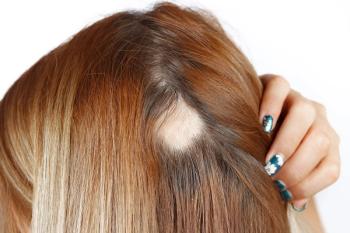
New evidence links alopecia areata and atopic dermatitis overlap, revealing eczema-like immune signatures and dual-use JAK/OX40 therapies to watch.

Black patients with breast cancer face cost, limited representation, and textured-hair concerns that reduce scalp-cooling use to prevent hair loss.
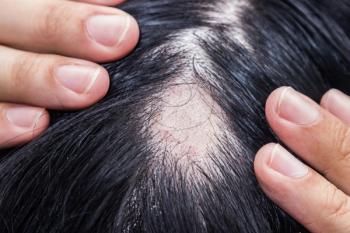
Deuruxolitinib shows consistent efficacy across subgroups and drives early hair regrowth in severe alopecia areata, with gains seen by 8 weeks.
Patients who saw hair specialist dermatologists tended to be prescribed more therapies for their scarring alopecia.
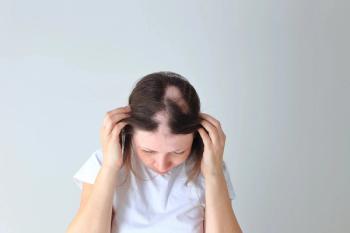
Topical immunotherapy remains an effective, affordable option for alopecia areata, with long-term control seen in multimodal treatment approaches.

Scalp tape strip samples had high concordance with lesion biopsies in patients with alopecia areata.

GPT-4o reliably scored alopecia areata severity from scalp images, showing strong concordance with experienced dermatology providers without prior AI training.

The tools are particularly helpful for pediatric patients, who often experience psychosocial impacts from the disease.
Artificial intelligence is emerging as a powerful tool for improving the diagnosis, phenotyping, and treatment of inflammatory skin diseases such as alopecia.
Study links moderate to severe alopecia areata to higher atopic dermatitis risk, urging routine screening and smarter treatment choices.

A global analysis found that although alopecia areata rates in young adults have modestly declined since 1990, the disease continues to disproportionately affect women and people in their early 30s.
Alopecia profoundly disrupts identity, emotional wellbeing, and social life, with many people struggling due to stigma, concealment pressures, and unmet psychological support needs.
Advertisement
Advertisement
Trending on AJMC
1
Bepirovirsen Approval Offers New Option for Chronic HBV Treatment
2
Inhaled Amikacin Raises Culture Conversion in New MAC Lung Disease
3
Extension Studies in TPIP Show Promise in PAH, PH-ILD
4
Bronchiectasis GWAS Highlights Candidate Targets Shared With COPD
5