


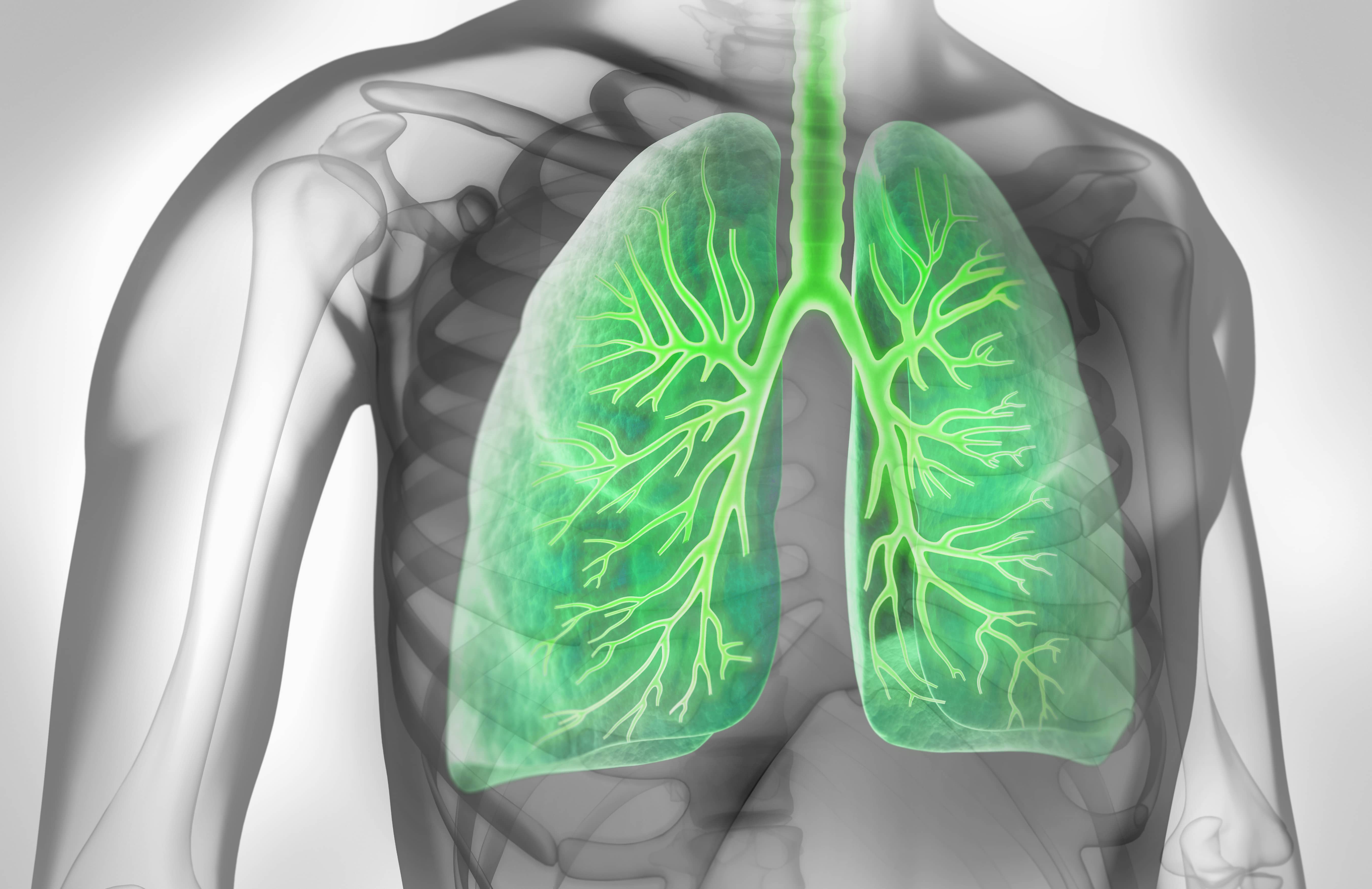



The researchers conducted the study in order to clarify the role of inhaled corticosteroids (ICS) in adrenal suppression.
The researchers conducted the study in order to clarify the role of inhaled corticosteroids (ICS) in adrenal suppression.

Investigators assessed potential biomarkers associated with poorly controlled asthma among patients in Tunisia.

Recent research presented at the 2022 American Academy of Allergy, Asthma & Immunology Annual Meeting examined different aspects of the use of biologics for severe asthma.

Full approval by the FDA follows tentative approval for the complex drug delivery advice for asthma and chronic obstructive pulmonary disease (COPD) granted by the FDA last week amid a patent dispute.
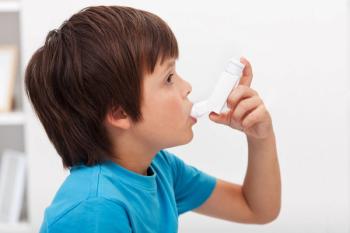
Quality of life for children with asthma may be influenced by psychological and sociocultural determinants of health.

Although asthma disproportionately affects Blacks and Hispanics in the United States, they are more likely to be dissatisfied with their care teams as well as underrepresented in research, according to abstracts at the 2022 American Academy of Allergy, Asthma & Immunology (AAAAI) Annual Meeting.
A recent study found that men, smokers, and older people are more likely to have asthma symptoms without a diagnosis of asthma, which can likely be attributed to other factors regarding their overall health.

Previous research has shown the health effects of obesity, including the decline in lung function. New research highlights obesity is a risk factor for asthma and chronic obstructive pulmonary disease in premenopausal and postmenopausal women.

A recent review noted the impact of low medication adherence and health literacy on patients with difficult-to-control asthma, which supports the need for interventions that could improve both aspects of patient care.
Researchers in Italy describe their findings indicating the combination of type 2-high severe asthma and bronchiectasis should be considered an emerging phenotype.

Asthma, aspirin-exacerbated respiratory disease, and nasal cytology were identified as predictors of chronic rhinosinusitis with nasal polyps recurrence.
While it is known that the promotion of physical activity can improve asthma symptoms and quality of life—and is even recommended in asthma guidelines— such behavior change is often difficult due to lack of funding or reimbursement for pulmonary rehabilitation or for other reasons.

Researchers in the United Kingdom compared the potential impact on carbon footprint and asthma symptom control of switching maintenance therapy to a dry powder inhaler vs continuing with a metered dose inhaler containing hydrofluorocarbon propellant.

A recent study examined asthma control and quality of life in pregnant women with asthma.

Use of a molecular-based allergy diagnostic platform provided new insights into which young children who wheeze will go on to have persistent asthma at age 7 years.

A recent case report described 3 pediatric patients with severe asthma whose disease was not managed according to care guidelines and who did not respond to the biologic by the time they began therapy.

A nationwide study in Finland showed that the number of antibiotics and asthma drugs fell by 59.6% and 19.8%, respectively, from 2019 to 2020, generating millions in cost savings.

Implementing evidence-based guidelines (EBGs) resulted in a 17.3% reduction in anaphylaxis-related hospitalizations among children.

An indirect assessment of the functioning of smooth muscle activity in the airways and gastrointestinal wall may help explain the shared pathophysiology that links these 2 common childhood ailments.

A meta-analysis found an association between Kawasaki disease and subsequent asthma and allergic rhinitis.

The CDC recommends children aged 12 years and up to receive COVID-19 vaccine boosters; nearly 2 million children develop asthma as a result of breathing in an air pollutant; nurses unions sue the Biden administration for withdrawing COVID-19 worker protections.

Children aged 6 to 11 years had reduced asthma exacerbations and improved lung function and asthma control when on dupilumab for a year.
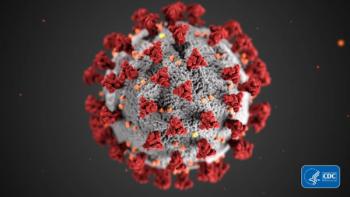
Children with uncontrolled asthma had a 3- to 6-times the risk of hospitalization for COVID-19, the investigators found.

The report, based on a survey conducted in Spain, suggests patients are suffering from additional asthma exacerbations due to a lack of understanding of their disease.
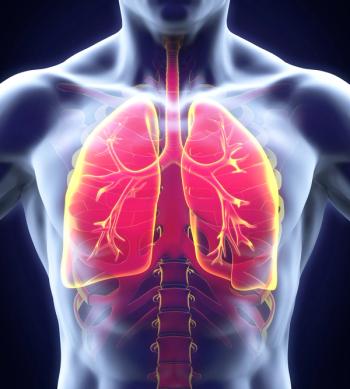
The analysis showed biomarkers that persisted despite the presence or absence of type-2 inflammation.