





Breast Cancer
Latest News
Advertisement
Advances in CDK4/6 Inhibitor Use in High-Risk Early Breast Cancer: 2024 Updates
Experts discuss the impact of CDK4/G inhibitor use, including medication cost, total care costs, toxicity profiles, and strategies to manage and optimize patient outcomes in high-risk early breast cancer.

Breast Cancer Guideline Updates: ASCO 2024
An oncology expert shares advances in breast cancer management, with insights on the growing role of CDK4/6 inhibitors, updates to NCCN guidelines, and anticipated research findings at ASCO 2024

The American Journal of Managed Care
The American Journal of Managed Care provides insights into the latest news and research in managed care across multimedia platforms.

Latest Videos




CME Content


Advertisement
More News

It is critical to understand the role race and ethnicity play in survival for patients with early-stage breast cancer (eBC), as well as explore potential interventions to close these gaps.

No differences in mammography completion were observed between an automated opt-out vs an opt-in patient outreach program for breast cancer screening, according to a randomized controlled trial. However, differences in administration burden between programs could lead clinics to prefer one over the other.

Study investigators note their meta-analysis may be the first to demonstrate the importance of interventions to support adherence to adjuvant endocrine therapy for breast cancer.

Clinical studies have transformed how breast cancer is prevented, identified, and treated. Successful clinical trials improve patient outcomes, so trial administrators must ensure participants receive appropriate support at trial enrollment.

A minimally invasive procedure could revolutionize breast surgery; Black women experience the worst birthing outcomes; Kaiser Permanente health workers' concerns over labor disputes persist.

The FDA has granted fast track designation to IDE161 for use in adult patients with advanced or metastatic hormone receptor–positive, HER2-negative breast cancer harboring BRCA1/2 mutations who have progressed after at least 1 hormonal therapy, a CDK4/6 inhibitor, and a poly (ADP-ribose) polymerase inhibitor.

The dual primary end points of overall survival and progression-free survival were encouraging when patients with hormone receptor–positive (HR+), HER2-negative (HER2–) breast cancer were treated with datopotamab deruxtecan.

Data from fee-for-service Medicare claims that were linked to the Surveillance, Epidemiology, and End Results program were used for this retrospective cohort analysis among women 70 years and older.

Data from 6 states—California, Florida, Louisiana, New Jersey, North Carolina, and Pennsylvania—and 2 metropolitan areas—Atlanta, Georgia, and Detroit, Michigan—collected through the National Institutes of Health–AARP Diet and Health Study were used for the investigation.

In this interview from our Institute for Value-Based Medicine® event, held in partnership with the Zangmeister Cancer Center of Columbus, Ohio, on September 14, Kristine Slam, MD, FACP, Central Ohio Surgical Associates, discusses the benefits of value-based care in the breast cancer space.

Despite seeming to elicit more pathological complete responses (pCRs) in patients with hormone receptor–positive (HR+), HER2-negative triple-negative breast cancer (BC) receiving neoadjuvant chemotherapy, diet and exercise did not affect relative dose intensity.

While regional variations were identified in rates of breast reconstruction, complications, and cost for patients with breast cancer, these differences did not seem to be associated with any implicit bias.

New research suggests conventional fractionated and hypofractionated proton postmastectomy radiotherapy (PMRT) yield similar tolerability and complication rates for patients following mastectomy.

Coverage from the July 25, 2023, session of the Institute for Value-Based Medicine®, presented by The American Journal of Managed Care® in partnership with Emory's Winship Cancer Institute.

An expert reviews the role of the patient advocate in ensuring that health disparities in metastatic breast cancer are overcome.
An expert describes the patient advocate’s role in shared decision-making with a patient for novel therapeutic options.
An expert reviews best practices for assisting and guiding patients in their journey when navigating complex treatment decisions and options.
Sonya Negley, IOM, CSMA, describes the patient advocate’s role in helping patients with metastatic breast cancer discover and enroll in clinical trials.
Sonya Negley, IOM, CSMA, discusses ways to help patients with metastatic breast cancer feel empowered during their journey.
Sonya Negley, IOM, CSMA, reviews how patient advocates can help patients newly diagnosed with metastatic breast cancer.

The task force was motivated by a gap between in breast cancer deaths between Black and White women.

Debra Patt, MD, PhD, MBA, executive vice president at Texas Oncology, explains the small potential risk of breast cancer associated with hormonal birth control.

In breast cancer, approval for elacestrant and a new indication for sacituzumab govitecan; approval for pirtobrutinib for mantle cell lymphoma.

Debra Patt, MD, PhD, MBA, executive vice president at Texas Oncology, discusses her recent testimony to the US Senate on a case in which prior authorization caused a 6-week wait for a consult.
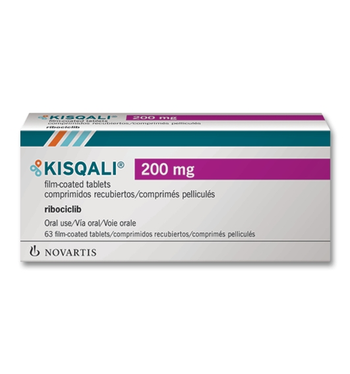
Results for this study, involving use of this CDK4/6 inhibitor with endocrine therapy, will be presented at an upcoming scientific meeting and submitted to regulators.
Advertisement
Advertisement
Trending on AJMC
1
TrumpRx Launch Brings Savings—and Uncertainty
2
5 Things to Know About the Oral GLP-1 Era
3
Exploring Identity, Appearance Experiences Among Patients With Alopecia
4
Stroke Subtype Does Not Affect Efficacy of Asundexian for Second Stroke Prevention
5