
Cardiovascular
Latest News

April 23rd 2018
JAMA Comparison: SGLT2 Inhibitors, GLP-1 Agonists Offer Lower Mortality in Type 2 Diabetes
By Mary Caffrey
Advertisement
Latest Videos
Advertisement
More News
Results from the ODYSSEY Outcomes trial for the PCSK9 inhibitor alirocumab were the top news at the meeting.

The report finds a connection between payment reform and hospital use patterns, but that connection may add to the debate that cardiologists have raised over the effect on patients.
Coverage of the 67th Scientific Session of the American College of Cardiology.
CVD-REAL, the giant study of real-world evidence comparing sodium glucose co-transporter-2 (SGLT2) inhibitors with other glucose-lowering drugs to treat type 2 diabetes, found a 49% lower risk of all-cause death and a host of other benefits across 6 new, more diverse countries, the study’s lead author told a packed room Sunday at the 67th Scientific Session of the American College of Cardiology in Orlando, Florida.
Coverage of the 67th Scientific Session of the American College of Cardiology.
Healthcare reform pledged to do better for patients with heart failure, creating the incentives and team-based approaches these fragile patients need. In some cases, this has happened, but there have also been unintended consequences, according to a panel appearing Sunday at the 67th Scientific Session of the American College of Cardiology, being held in Orlando, Florida.
Coverage from the 67th Scientific Session of the American College of Cardiology.
The journey to better women's heart health starts with having more data, said Nanette Kass Wenger, MD, MACC, MACP, FAHA, professor of cardiology at Emory University School of Medicine, during the Simon Dack Keynote Lecture, which opened the 67th Scientific Session of the American College of Cardiology.
The study will be presented during the 67th American College of Cardiology Scientific Session in Orlando, Florida.
A study being presented at the upcoming meeting of the American College of Cardiology found a dose–response relationship between walking and reduced heart failure risk.

Adults with obesity have an earlier onset of incident CVD, a greater proportion of life lived with CVD morbidity, and shorter overall survival compared with adults with normal BMI; and the proportion of adults with incident CVD events was significantly higher in adults who were classified as overweight or obese compared with adults with normal BMI, according to a study in JAMA Cardiology.
Early Look at ACC Navigator Program Shows Inpatient Mortality Drops as Hospitals Take Positive Steps
In the next phase of the program, researchers will dig into the data they have gathered so far to identify the best practices for reducing 30- and 90-day readmission rates.

According to the Medicare Payment Advisory Commission (MedPAC), hospital readmission rates have fallen following implementation of the Hospital Readmissions Reduction Program (HRRP), and HRRP did not have a negative impact on mortality rates.

With 4 in 10 cardiomyopathies having genetic links, there is a need for relatives of patients with cardiomyopathy to be screened in order to prevent early death, according to a recent study published in European Heart Journal.
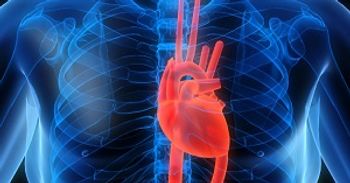
A new study published in the February issue of the New England Journal of Medicine found that patients that received radiofrequency catheter ablation compared with traditional drug therapies for atrial fibrillation (AF) had significantly lower hospitalization and mortality rates.

Higher resting heart rate (HR) and increases in HR over time are associated with increased risk of adverse cardiovascular (CV) and non-CV events, such as incident heart failure and all-cause mortality, according to a study published in JAMA Cardiology.
Coverage from the 59th Annual Meeting and Exposition of the American Society of Hematology, December 9-12, 2017.
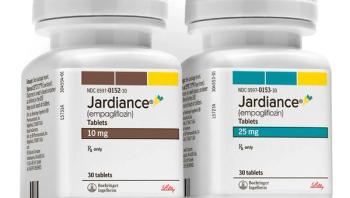
Empagliflozin (Jardiance) and another SGLT2 inhibitor, canagliflozin (Invokana) have been competing aggressively; both have clinical trial results showing cardiovascular benefits.
The annual meeting of the American College of Cardiology (ACC), which runs March 10-12, 2018, in Orlando, Florida, will open with cardiovascular outcomes results for the PCSK9 inhibitor alirocumab (Praluent). The meeting also features updates on anti-inflammatory drugs, the use of SGLT2 inhibitors in heart failure, and how cardiology is shifting to new healthcare delivery models.
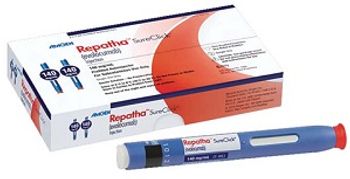
Researchers were especially concerned about barriers for patients with familial hypercholesterolemia, whose needs would seem clear cut but who nonetheless faced costly hurdles, such as genetic testing.
A randomized trial of eConsults for cardiology referrals from primary care resulted in significant reductions in total cost of care compared with traditional face-to-face consultations.

Reimbursement structures and population demographics change the way hospitals approach heart failure, explained Amar Bhakta, MD, of Rush University Medical Center.

The same mechanisms that cause those with long-term HIV infection to suffer higher rates of heart attacks or strokes put children born with disease at early risk of cardiovascular disease, according to a new study.

The announcement comes after CMS canceled an Obama-era proposal for mandatory bundled payments in cardiac care, as well as a mandatory expansion of a program in joint replacements.
The announcement comes after CMS canceled an Obama-era proposal for mandatory bundled payments in cardiac care, as well as a mandatory expansion of a program in joint replacements.
Advertisement
Advertisement
Trending on AJMC
1
5 Things to Know About the One Big Beautiful Bill Act
2
Non-CF Bronchiectasis Linked to High Medicare Use and Spending
3
Coroner Reports Pennsylvania's Sixth Measles-Associated Death
4
ACA Subsidies End for 189,000 Duplicate or Deceased Enrollees
5