

Cardiovascular
Latest Content
Advertisement
Latest Videos
Advertisement
More News

Heart disease was the number one reason for “excess deaths” after Hurricane Maria struck Puerto Rico in September 2017.

For endocrinologists, a cardiologist, a diabetes educator, and a room full of fellow health workers, the cost of doing nothing—not just to treat diabetes, but also to prevent it— is what feeds into the exorbitant cost of the disease, according to presentations and a panel at the inaugural meeting of the Institute for Value Based Medicine (IVBM) in Diabetes, an initiative of The American Journal of Managed Care®.

The results come as US professional societies are updating primary prevention guidelines in cardiology.

Previous research overstated the generalizability of the Exenatide Study of Cardiovascular Event Lowering trial results by omitting the restriction on the percentage of patients without a prior cardiovascular event.
The authors of the manuscript “Generalizability of Glucagon-Like Peptide-1 Receptor Agonist Cardiovascular Outcome Trials Enrollment Criteria to the US Type 2 Diabetes Population” respond to a letter to the editor.

Based on recently published results of the REDUCE-IT study, pharmacuetical company Amarin has submitted a supplemental new drug application (sNDA) to the FDA for an expanded label for its leading drug Vascepa. Also, the American Diabetes Association has included the drug in a mid-year update to its 2019 Standards of Medical Care in Diabetes.
Panelists discuss what PCSK9 inhibitors are, the evidence to support them, and challenges with operationalizing them in practice.

Researchers found that a prescription for healthy food can improve health outcomes for beneficiaries in Medicare and Medicaid.
For SGLT2 inhibitors and a fish oil capsule, there was plenty of good news; for aspirin, not so much. A recap of the American College of Cardiology's 68th Annual Scientific Session, held March 16-18, 2019, in New Orleans, Louisiana.
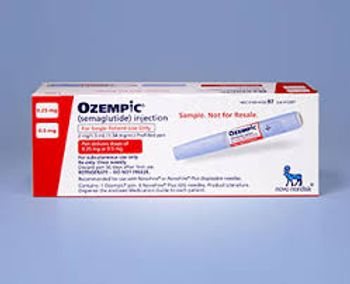
If approved the oral form of semaglutide would be the first pill in the GLP-1 receptor agonist class.
New results presented at the American College of Cardiology's 68th Annual Scientific Session find a high-dose fish oil pill reduced the risk for first and future cardiovascular events among patients taking statins by 30%. The early results grabbed headlines last fall in part because researchers aren't entirely sure how the capsule works.
New findings show reduced hospitalizations for a wide group of patients with heart failure. For high-risk patients with reduced ejection fraction, the drug appears to cut deaths, but more studies will answer these questions.
The joint guidelines from the American College of Cardiology and the American Heart Association call on clinicians to pay more attention to social determinants of health. They were announced Sunday at the 68th Scientific Session of the American College of Cardiology in New Orleans, Louisiana.
The 68th American College of Cardiology Scientific Session and Exposition opens with a study that suggests the Apple Watch can detect atrial fibrillation with a reasonable degree of accuracy, giving people an opportunity to get in touch with their doctor before a serious event like a stroke.
In recent years, the big news on the first day of the American College of Cardiology (ACC) Scientific Session and Exposition has involved a therapy—usually an expensive cholesterol drug with a name almost no one could pronounce: proprotein convertase subtilisin/kexin type 9 (PCSK9) inhibitors. This year, it's tech, and an easy-to-pronounce name: Apple.

Researchers have confirmed that there is no link between flu shots and miscarriages; a liquid biopsy is as effective as tissue-based testing for identifying treatment for lung cancer; and physicians generate an average of $2 million a year for hospitals.

Atherosclerotic cardiovascular disease (ASCVD) is not only a leading cause of mortality among US adults, but also responsible for high medical costs that burden both the healthcare system and individual patients. New research shows that 1 in every 5 patients with ASCVD is unable to afford his or her medical bills, and even among patients with insurance, financial hardship related to medical costs is prevalent.

The American Journal of Managed Care® (AJMC®) recently spoke with Om P. Ganda, MD, medical director of the Lipid Clinic and chair of the Clinical Oversight Committee at the Joslin Diabetes Center in Boston, Massachusetts, about the recent publication of the 2018 American College of Cardiology (ACC) Expert Consensus Decision Pathway (ECDP).1
Javed Butler, MD, MPH, MBA, discusses the 2018 American College of Cardiology Expert Consensus Decision Pathway, which includes guidance on the use of SGLT2 inhibitors and GLP-1 receptor agonists, and its potential to change the treatment paradigm for patients with type 2 diabetes.
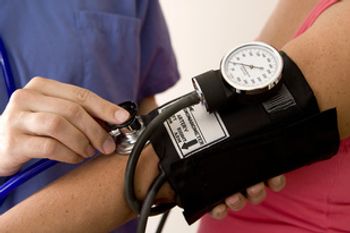
The National Institutes of Health halted the landmark SPRINT study in 2015 after results clearly showed a cardiovascular benefit for patients who had their systolic blood pressure aggressively controlled to 120 mm/Hg.
The partnership will seek repeatable, scalable models to present at a summit later this year.

The study is first to measure sleep along with spread of atherosclerosis throughout the body, according to the American College of Cardiology.

Keeping patients with diabetes motivated is the most challenging part of exercise, the authors say, as they call for psychologists and counselors to be part of the care team.
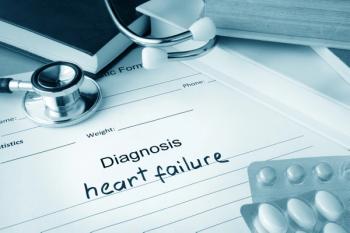
The analysis discusses the strength of evidence that SGLT2 inhibitors have a class effect in preventing heart failure for patients with diabetes.
Advertisement
Advertisement
Trending on AJMC
1
Merck, Moderna Cancer Vaccine Cuts Melanoma Recurrence Risk by 42%
2
Real-World AMKD Data Highlight Quick Progression, Unmet Needs
3
Pulmonary Embolism Can Affect Elite Athletes, Too: Samantha Pettigrew, MD
4
Insurance Barriers Tied to Missed Long-Acting PrEP Starts
5