


Cardiovascular
Latest Content
Advertisement
Latest Videos
Advertisement
More News
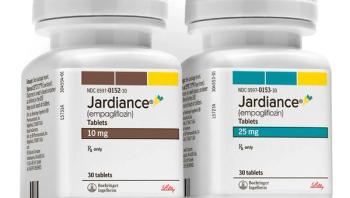
The analysis of data from EMPA-REG OUTCOME arrives as the FDA weighs the future of these large trials.

Patient preference should be considered because medications don't work if adherence is poor, the experts noted.

For 2017, New Jersey's largest insurer made particularly good progress in certain diabetes measures and in cancer screenings.

Black and Latino individuals are less likely than their white peers to develop early-onset atrial fibrillation (EOAF), yet these individuals experience higher rates of stroke, heart failure, and mortality from AF than do white patients. To date, little has been known about this paradox, as most research into EOAF focuses on white patients.
Heart failure hospitalization has been a target for accountable care organizations seeking to find ways to cut costs from the healthcare system. But it remains to be seen how many of the estimated 2 million patients would gain access to the device if it received an expanded indication and payer coverage.
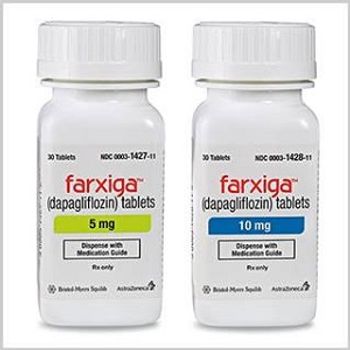
Full results from the cardiovascular outcomes trial for dapagliflozin (Farxiga) will be presented at the American Heart Association annual meeting in November.

In the United States, a woman age 30 to 70 years of age has a 1 in 8 chance of dying from a noncommunicable disease (NCDs), putting the nation on par with low and middle-income countries, and setting it apart with Iceland among high-income countries, according to a report published Thursday in The Lancet.
The study by the National Institute on Aging produced a few surprises and was stopped early when aspirin showed no benefit.

The announcement comes with word from FDA touting the effectiveness of its efforts to advance digital health regulatory pathways.
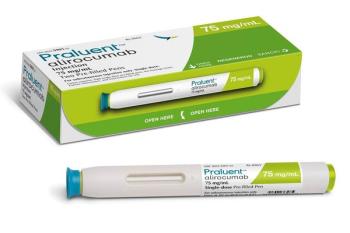
The application is based on results presented in March at the 67th Scientific Session of the American College of Cardiology.
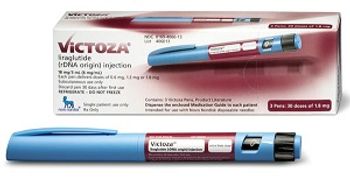
The analysis of patient records found no elevated risk of retinopathy among those using glucagon-like peptide-1 (GLP-1) receptor agonists to treat type 2 diabetes.

Serious vascular events in patients with diabetes can be prevented with aspirin use, according to results of the ASCEND (A Study of Cardiovascular Events iN Diabetes) trial, which were presented at the ongoing ESC Congress in Munich, Germany.

GOP senators have introduced legislation they say would protect provisions for preexisting conditions under the Affordable Care Act; Cigna shareholders have voted in favor of the acquisition of pharmacy benefit manager Express Scripts; and study results show that aspirin does not lower cardiovascular (CV) risk in the long-term.
A Health Affairs analysis showed a wide range of cost-effectiveness estimates for 30 of the most commonly prescribed cardiovascular drugs, suggesting that drug pricing is not consistently aligned with value.

Coverage of our peer-reviewed research and news reporting in the healthcare and mainstream press.
Physician and patient predictors of hyperlipidemia screening and statin prescription at a large, multihospital regional health center based on electronic health record data.

Health plans continue to show interest in expanding outcomes-based contracts, according to an Avalere Health study that also found cardiovascular diseases, infectious diseases, and oncology represent the most common therapeutic areas to have these contracts.

Sulfonylureas are an older class of type 2 diabetes therapy but remain the most commonly prescribed antidiabetic drug after metformin.
Direct oral anticoagulants (DOACs) are associated with increased prescription costs. Actual practice data show a high switch rate and poor adherence among DOAC initiators that need to be addressed.
Findings from a 10-year research project show that implementing health initiatives at a population level can improve health and reduce the risk of heart disease for an entire community.
Public health messaging has typically focused on the volume of walking not the intensity. This study suggests for those with limited time, a faster pace could make a difference.
The number of US adults who have high blood pressure could grow by as much as 31 million—and the number of adults who will be recommended for antihypertensive treatment could increase by 11 million—if full implementation of the American Heart Association’s 2017 hypertension guideline is reached.
The authors write that these differences among Veterans Affairs (VA) populations could reflect variability across the medical centers in terms of quality of care, adherence to evidence-based treatment and screening guidelines, access to urgent care, posthospitalization care protocols, chronic disease management, and access to specialty care, social work services, and behavioral health care.
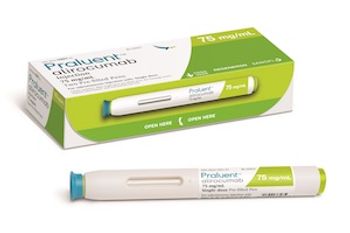
This week's announcement comes after cardiologists have spent several years sharing accounts of their difficulty gaining access to PCSK9 inhibitors for their patients.
While cardiovascular disease (CVD) is the leading cause of death among women as well as men, and while both sex and gender differences in CVD and its treatments have been well documented, women continue to be less represented than men in clinical trials of drugs to treat CVD. Among proposed reasons for this phenomenon are the recruitment of younger patients, inclusion criteria that tend to select men, and exclusion criteria that are more common in women.
Advertisement
Advertisement
Trending on AJMC
1
Merck, Moderna Cancer Vaccine Cuts Melanoma Recurrence Risk by 42%
2
Real-World AMKD Data Highlight Quick Progression, Unmet Needs
3
Pulmonary Embolism Can Affect Elite Athletes, Too: Samantha Pettigrew, MD
4
Insurance Barriers Tied to Missed Long-Acting PrEP Starts
5