There was something for everyone at the American Diabetes Association (ADA) Scientific Sessions, held June 7-11, 2019, in San Francisco, California.
CREDENCE: First Renal Outcomes Trial Finds Canagliflozin Cuts Risk of Renal Failure, Death; Prompts ADA Updates

There was something for everyone at the American Diabetes Association (ADA) Scientific Sessions, held June 7-11, 2019, in San Francisco, California.

The final morning session of the 79th Scientific Sessions of the American Diabetes Association (ADA) in San Francisco, California, featured more cardiovascular and renal results from recent trials involving type 2 diabetes drugs.

The connections among diabetes, cardiovascular (CV) disease, and kidney failure have been a theme of the 79th Scientific Sessions of the American Diabetes Association, which featured a joint session with the American Society of Nephrology.

The findings represent the first in a new wave of renal outcomes trials in the sodium glucose co-transporter 2 (SGLT2) inhibitor class, a game-changing group of type 2 diabetes drugs with many benefits beyond lowering blood glucose.

For SGLT2 inhibitors and a fish oil capsule, there was plenty of good news; for aspirin, not so much. A recap of the American College of Cardiology's 68th Annual Scientific Session, held March 16-18, 2019, in New Orleans, Louisiana.

Optimal end-stage renal disease (ESRD) starts were associated with lower 12-month morbidity, mortality, and inpatient and outpatient utilization in an integrated healthcare delivery system.

A report on the clinical and economic outcomes of a new payer–provider partnership serving patients with end-stage renal disease.

Decision support tools, disease registries, and patient engagement materials can improve population-based chronic kidney disease care.

Researchers presenting at the American Heart Association look at specific populations within 2 large diabetes drug trials, CANVAS and EMPA-REG OUTCOME.

The study finds that the GLP-1 receptor agonist can slow progression of kidney disease, one of the most costly and debilitating complications of type 2 diabetes.

Coverage from the first of 3 Peer Exchangeâ„¢ discussions from the Diabetes Stakeholders Summit.

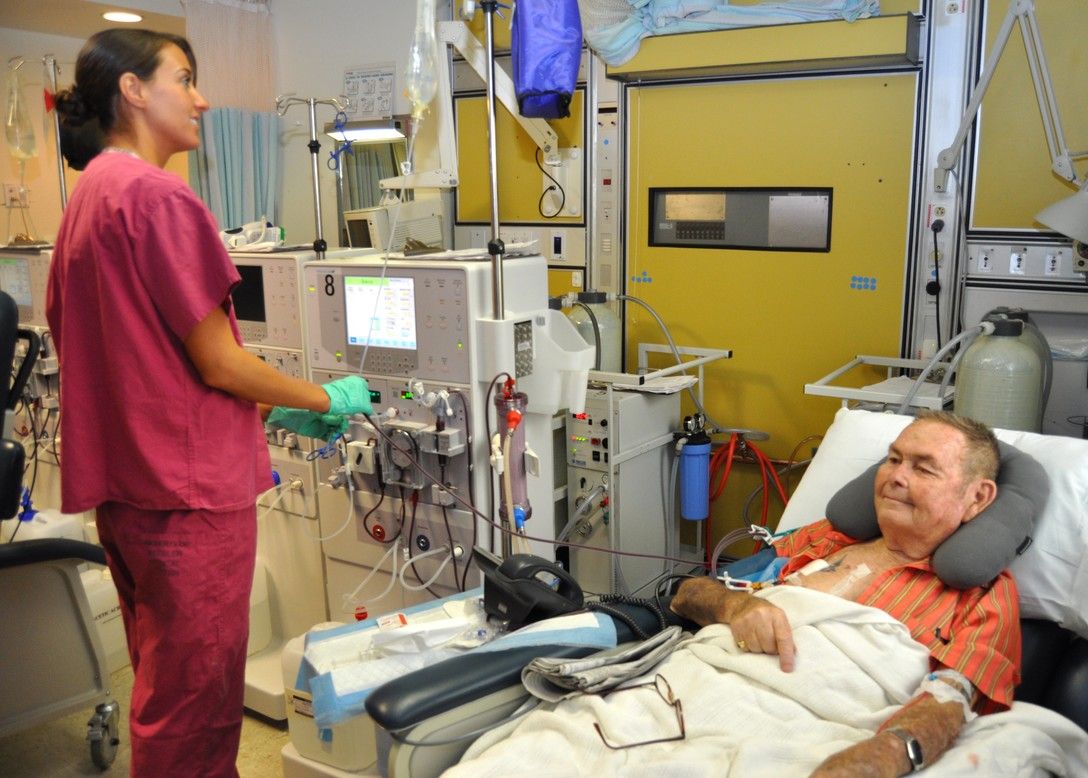
A recent investigation into the experiences of undocumented Hispanic immigrants with end-stage renal disease reveals that their inability to access regular dialysis can have devastating physical and emotional ramifications.

The Medicare program’s transition in 2004 to tiered fee-for-service physician reimbursement for dialysis care had the unintended consequence of reducing use of home dialysis.

Researchers found that physicians often seized the "opportunity" to start dialysis if patients were in the hospital for other illnesses.

States with broader Medicaid coverage have lower incidences of kidney failure and smaller insurance-related gaps in access to kidney disease care.

A coalition of patient advocates, dialysis-care providers and manufacturers today will unveil a comprehensive new framework for kidney care across the country that identifies four goals: improve survival, reduce hospitalizations, improve health-related quality of life, and improve patient experience with care.

The Centers for Medicare & Medicaid Services Innovation Center held an Open Door Forum on Aug. 1 to announce some modifications to the application for the Comprehensive ESRD Initiative, or renal-specific Accountable Care Organization demonstration.

259 Prospect Plains Rd, Bldg H
Cranbury, NJ 08512
© 2025 MJH Life Sciences®
All rights reserved.