


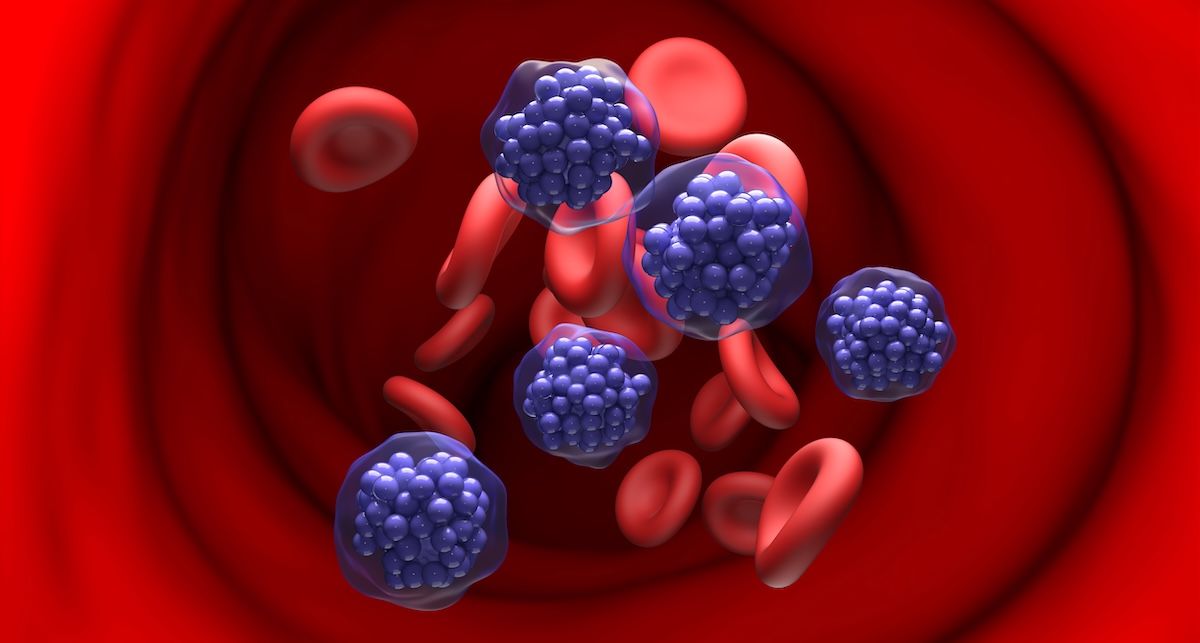


Non-Hodgkin Lymphoma (NHL)
Latest News
Advertisement
Latest Videos



Podcasts
Advertisement
More News

Clinicians pair CD20×CD3 bispecifics with radiotherapy in relapsed B‑cell lymphoma, but data stay sparse—early safety signals prompt trials.

Real-world DLBCL data show Incyte’s tafasitamab matches L-MIND responses across diverse Non-Hodgkin lymphoma patients, per Cardinal Health review.

NCCN survey finds universal, persistent generic drug shortages; coping tactics stretch teams as looming tariffs threaten more supply disruptions.
Systematic review maps 410 lymphoma antibody drug conjugates clinical trials, revealing limited diversity beyond MMAE, few survival end points, and scarce biomarkers in DLBCL and classical Hodgkin lymphoma.
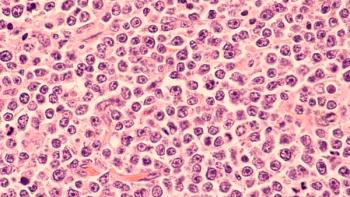
Authors explore which biomarkers could be predictive for a forthcoming study using circulating tumor DNA in DLBCL.

DLBCL expert Lunning weighs radiation consolidation after R-CHOP and spotlights Epkinly and SKYGLO bispecific trials, plus access and infection risks.

Results featuring 25 patients treated with the bispecific antibody plus a standard-of-care combination were published this week, following presentation as a poster at an earlier conference.

DLBCL and MCL patients spotlight fatigue, pain, and emotional burden while backing PRO surveys to shape quality-of-life trial endpoints.

New data suggest epcoritamab plus R2 may win insurer coverage, delivering major QALY gains at approximately $68,000 and delaying costly progression.

A systematic review and meta-analysis, published in Frontiers in Nutrition, examines whether BMI predicts survival DLBCL, the most common subtype of non-Hodgkin lymphoma.

As CAR T-cell therapy expands into outpatient and community settings, Reimagine Care and The Center for Cancer and Blood Disorders are creating a monitoring infrastructure to support patients and caregivers alike.
Reconstructed Kaplan-Meier data benchmark durability of CAR T-cell therapy, bispecific antibodies, and zanubrutinib combos for relapsed follicular lymphoma.
Epcoritamab shows high rates of first-line response and MRD negativity in older patients with chemo-ineligible DLBCL, whether used alone or with R-mini-CHOP.

ASCO: City of Hope investigator highlights mosunetuzumab plus polatuzumab vedotin ADC/bispecific combo boosting PFS in LBCL with manageable adverse events outpatient.

Although smaller studies have highlighted CAR T differences in access and outcomes, new research shows the full extent of the issue.

MorningSun Data Show Sub-Q Mosunetuzumab Improves QOL for Oldest Patients With DLBCL
Published: | Updated:
ASCO highlights MorningSun results: subcutaneous mosunetuzumab offers a chemotherapy-free option for elderly patients with DLBCL, improving quality of life beyond R-CHOP.

Johnetta Blakely, MD, MS, MMHC, discusses her new role as chief medical officer of the Community Oncology Alliance during an interview that will appear in the June issue of Evidence-Based Oncology.
Community pharmacists must build scalable workflows as bispecific antibodies move into earlier lines and outpatient settings, notes Brooke Peters, PharmD, BCOP, of AON.

Epcoritamab added to R2 sharply boosts follicular lymphoma responses, but infection risks and real-world feasibility raise tough treatment decisions.

As CAR T-cell therapy reaches community oncology, practice leaders discuss the challenges of payer hurdles, single case agreements, apheresis costs and whether to pursue accreditation.

Off-the-shelf cema-cel clears MRD at more than triple the rate of observation alone—and may propel a shift to frontline use of CAR T-cell therapy when relapse is hard to detect.

Ultrasound AI models use radiomics and deep learning to predict DLBCL survival, enabling low-cost, noninvasive risk stratification.
The FDA now permits outpatient monitoring for epcoritamab’s first full dose in R/R DLBCL, as EPCORE-NHL-6 data support safe bispecific antibody access.

Results Support Giving Epcoritamab in Outpatient Setting for DLBCL
Published: | Updated:
Interim data from the EPCORE-NHL-6 trial show safety outcomes similar to those in the pivotal trial that led to approval for the bispecific T-cell–engaging antibody.
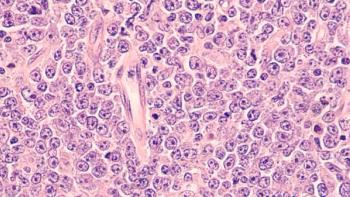
DLBCL is the most common subtype of non-Hodgkin lymphoma, known for its aggressiveness and heterogeneity. This presents treatment challenges if patients relapse following the initial chemoimmunotherapy regimen.
Advertisement
Advertisement
Trending on AJMC
1
ACA Subsidies End for 189,000 Duplicate or Deceased Enrollees
2
5 Things to Know About the One Big Beautiful Bill Act
3
Coroner Reports Pennsylvania's Sixth Measles-Associated Death
4
Understanding the Potential Risks of Prescription Drug Affordability Boards and Upper Payment Limits
5