


Hematology
Latest Content
Advertisement
Latest Videos
Advertisement
More News
Carfilzomib-dexamethasone improved renal overall and complete response in patients with relapsed or refractory multiple myeloma (RRMM) compared with a regimen of bortezomib-dexamethasone in a real-world study.

Whereas patient care was often bogged down in bureaucracy when he was younger, Robert K. Massie Jr, PhD, MA, of the Society for Progress, notes that hospitals and caregivers are increasingly paying attention to what makes sense for patient care.

The FDA issues an emergency use authorization (EUA) for Eli Lilly’s coronavirus disease 2019 (COVID-19) treatment; insurance waivers for COVID-19–related costs are starting to expire; new data update convalescent plasma’s indication.

Experts in the management of multiple myeloma consider promising developments for the future of relapsed/refractory treatment, with special consideration to bispecific antibodies and CAR (chimeric antigen receptor) T-cell therapy.

Patients’ socioeconomic status is a significant factor in predicting survival rates for multiple myeloma, according to a new study.
Key opinion leaders consider the role of venetoclax in managing patients with relapsed/refractory multiple myeloma.
Expert physicians consider the practical implications of the IKEMA interim analysis of isatuximab plus carfilzomib and dexamethasone versus carfilzomib and dexamethasone in relapsed/refractory multiple myeloma.

An engineered lentivirus was created to avoid some of the drawbacks associated with current gene therapy vectors for sickle cell disease (SCD) and beta-thalassemia.
Key opinion leaders provide an overview of the recent findings from the APOLLO phase 3 study, and consider whether the findings have impacted their treatment algorithm in regards to potential for earlier response.
A discussion on the practical implication of the data from the ASH (American Society of Hematology) 2020 Annual Meeting regarding DKd versus DVd.

Daratumumab represents an important addition to the armamentarium of care for improving patient outcomes, said Mark Wildgust, PhD, vice president of Global Medical Affairs/Oncology at Janssen.
Recipients of hematopoietic stem-cell transplantation (HSCT) who develop coronavirus disease 2019 (COVID-19) may be predisposed to a greater mortality rate if they meet certain disease criteria.
Anthony Fauci gave his insight on the coronavirus disease 2019 (COVID-19) for immunocompromised populations at ASH 2020, and leading organizations released fact sheets and recommendations.
Experts in the management of multiple myeloma discuss treatment selection for newly diagnosed patients, with consideration of the ENDURANCE trial and its shortcomings.
Key opinion leaders discuss the clinical significance of dosing flexibility for the CANDOR trial regimen, as studied in the EQUULEUS trial.
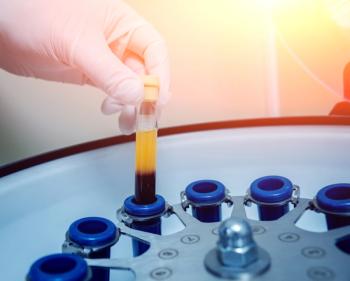
A comparison of 3 levels of SARS-CoV-2 antibodies in convalescent plasma shows that the 30-day death rate was lowest in the group receiving high-titer plasma.
An overview of the data from the CANDOR trial presented at the ASH (American Society of Hematology) 2020 annual meeting and discussion on how to manage various complications from the trial regimen.
Key opinion leaders consider how the approval of daratumumab in the upfront setting for patients with relapsed multiple myeloma has impacted treatment strategies.

Emerging research into natural killer cells has shown promise, but the findings are complicated by the heterogeneity of multiple myeloma (MM).

Age, renal disease, and suboptimal myeloma control were among the many factors identified in a recent study as increasing the risk of death from coronavirus disease 2019 (COVID-19) for patients being treated for multiple myeloma (MM).

Expert physicians provide insight into their strategy for treating biochemical relapse in patients with multiple myeloma.
A discussion on the importance of MRD (minimum residual disease) negativity in changing relapse patterns for patients with multiple myeloma.
Decades ago, companies refused to heat-treat their blood products, which resulted in pooled plasma, among others, enabling many viruses to be transmitted, noted Robert K. Massie Jr, PhD, MA, of the Society for Progress.
Key opinion leaders discuss why patients with multiple myeloma experience increasingly decreased response to therapy over time.

New research shows metabolic biomarkers could be meaningful tools for predicting treatment outcomes in patients, based on a comparison of biomarkers, clinical characteristics, and therapeutic efficacy.
Advertisement
Advertisement
Trending on AJMC
1
Merck, Moderna Cancer Vaccine Cuts Melanoma Recurrence Risk by 42%
2
IDWeek Studies Tie RSV, Flu, and COVID-19 to Harm After Acute Illness
3
Former USAID Health Chief Says Aid Cuts Are Costing Children's Lives
4
It’s the Best of Times and Worst of Times for Cancer Care in Tampa
5