



Hematology
Latest Content
Advertisement
Latest Videos

Advertisement
More News

New study provides insights into the relationship between TP53, miR-34a, and NOTCH1 in CLL cells.

Results from a retrospective study compared and explored biomarkers associated with outcomes in myelodysplastic syndrome (MDS) with plasma cell neoplasms.
A new study demonstrates that the combination of lenalidomide (Revlimid) and obinutuzumab (Gazyva) is effective and well-tolerated in treating relapsed indolent non-Hodgkin lymphoma (NHL).
Patients with sickle cell anemia (SCA) and persistent albuminuria (PA) exhibited significantly higher levels of urinary angiotensinogen (AGT).

Genetic variability and sex-specific differences may play a role in sickle cell disease (SCD)-related pain; however, more research is needed.

The researchers suggest certain refinements to the 2022 European LeukemiaNet classification model for patients aged 60 years or older receiving lower intensity treatment (LIT), including the adoption of a mutation score that accounts for certain gene mutations.
Using real-world data, researchers compared 2 chimeric antigen receptor (CAR) T-cell therapies with a bispecific antibody, teclistamab, in multiple myeloma (MM).

Celiac disease presents a higher risk for developing malignant neoplasms, including small intestine, lymphoma, and skin cancers, but presents a lower risk for respiratory malignancies.

A new report based on patient focus groups suggests many clinicians can do more to help patients with sickle cell disease (SCD) feel heard and understood.
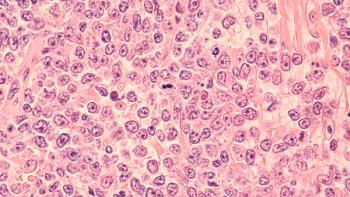
Recombinant Hirudin (rH) inhibited the polarization of M2-type macrophages and protease-activated receptor-1 (PAR-1) in diffuse large B-cell lymphoma (DLBCL).

A recent study has found that higher serum levels of B-cell activating factor and anti-CCP3 are associated with a reduced risk of developing chronic lymphocytic leukemia (CLL), suggesting potential biomarkers for assessing CLL risk.
New research linking telomere shortening to myelodysplastic syndromes (MDS) offers substantial therapeutic implications for affected patients and MDS research.
Findings from a post hoc analysis of 3 clinical trials support the switching to or initiation of pegcetacoplan to manage fatigue for patients with paroxysmal nocturnal hemoglobinuria (PNH) that is accompanied by mild to moderate anemia.

By analyzing the surface proteome of a wide-ranging sample of acute myeloid leukemia (AML) specimens, researchers identified potential antigens and primitive cell markers representative of AML supgroups.
Improvements in multiplex immunofluorescence and spatial analysis have enabled a better understanding of the ways classical Hodgkin lymphoma evades the immune system.
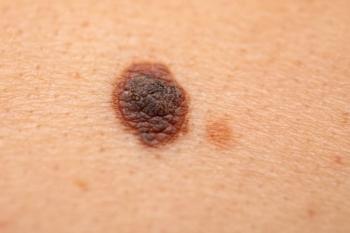
The authors said their findings also suggest AXL inhibition might be an important therapeutic strategy.
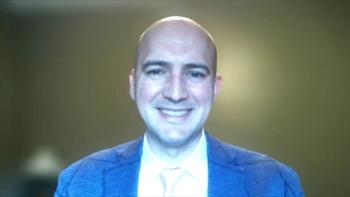
Leland Metheny, MD, is lead investigator for the Phase 1 BAFF CAR T clinical trial, which is evaluating the safety and effectiveness of a novel approach to chimeric antigen receptor (CAR) T-cell therapy in multiple myeloma (MM) that targets 3 receptors on cancer cells and uses electroporation vs the typical lentiviral vector delivery.
To continue the response they experienced with a first autologous stem‐cell transplant (ASCT) for their multiple myeloma, patients in this analysis received a second ASCT, with French investigators evaluating their outcomes.
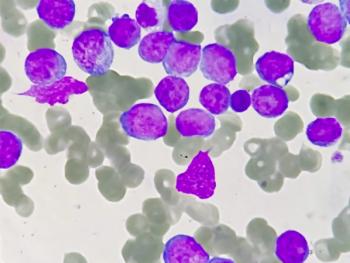
A meta-analysis demonstrated the superiority of Bruton tyrosine kinase inhibitors (BKTi) in the overall survival of patients with chronic lymphocytic leukemia compared with other therapies.

Analysis of the phase 3 explorer7 (NCT04083781) study indicates a preference for concizumab prophylaxis over no prophylaxis in patients with hemophilia A or B with inhibitors.
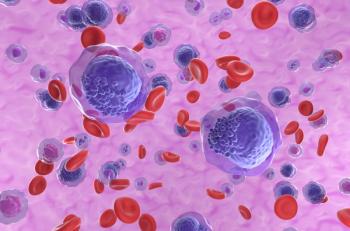
Recent years have brought a more targeted approach to treating acute myeloid leukemia (AML) based on accumulating knowledge about the genetic makeup of the heterogenous disease.
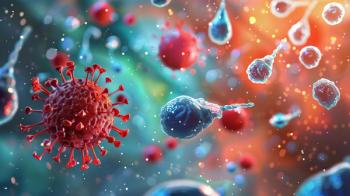
CAR T-cell therapy results in a high incidence of cytokine release syndrome, but it is manageable in most cases.

Maria Amaya, MD, PhD, University of Colorado School of Medicine, explores discrepancies between real-world data and clinical trial outcomes, as well as her experience ensuring the reliability of real-world analysis.

Ravulizumab therapy may enable patients with paroxysmal nocturnal hemoglobinuria (PNH) to comparable achieve activity levels and patient-reported outcomes to the US general population.

Authors acknowledge that both the 2022 World Health Organization and International Consensus Classification myelodysplastic syndrome criteria sets have value, while sorting out their similarities and differences.
Advertisement
Advertisement
Trending on AJMC
1
IDWeek Studies Tie RSV, Flu, and COVID-19 to Harm After Acute Illness
2
Preparing for Hepatitis B Functional Cure: Jordan Feld, MD, MPH
3
Povetacicept Cuts Proteinuria by 52% in IgA Nephropathy at Week 36
4
Nephrologists Weigh Wins, Losses From 5 Years of Value-Based Kidney Care
5