



Hematology
Latest News
Advertisement
Expanding Horizons: The Present and Future of Bispecific Antibodies Across Oncology
Experts explore the latest bispecific antibody approvals and clinical applications, discuss barriers in community oncology, address management of cytokine release syndrome, and consider how these therapies can expand patient access to care.

Latest Videos






Advertisement
More News

The investment fund spun off from the Multiple Myeloma Research Foundation will start at $50 million and will be self-sustaining, focusing on early-stage biotech companies.
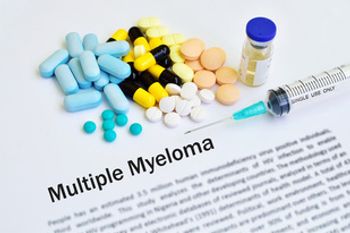
Among patients with multiple myeloma treated with older proteasome inhibitors, those who developed peripheral neuropathy (PN) had significantly higher costs, suggesting that newer therapies may maintain effective treatment while lowering the economic and disease burden of PN in these patients.

A preliminary study discussed how a vaccine regimen stimulated dendritic cells to attack tumors, which could point to a new way of making immunotherapy effective in cancers that have proved resistant to treatment thus far.
Assessing 4 dose levels of carfilzomib, researchers have determined that the drug, in combination with thalidomide and low-dose dexamethasone, is highly safe and effective in transplant-eligible patients with newly diagnosed multiple myeloma.

Step therapy, which requires that patients try the payer’s preferred treatment before the one a physician recommends, is harmful to both sides of the doctor-patient relationship, according to Lee B. Schwartzberg, MD, medical director of the West Cancer and Research Institute, who spoke at the 2019 Community Oncology Conference, held in Orlando, Florida.

A study of patients with multiple myeloma in a real-world setting found that adherence to immunomodulatory drugs (IMIDs) is high across all 3 options of the drugs.

A comprehensive genomic analysis of acute erythoid leukemia (AEL) found that 45% of patients had mutations in signaling pathways that drive uncontrolled cell growth, and evidence shows these leukemias may respond to existing precision treatments.

A study consisting of interviews and focus groups among patients with relapsed or refractory multiple myeloma brought attention to what patients value about their treatment.

This week, the FDA sent out an alert to various healthcare professionals and the public to warn about the risks associated with the investigational use of venetoclax (Venclexta) for the treatment of patients with multiple myeloma (MM). The alert is based on data from the ongoing phase 3 BELLINI trial evaluating the drug for this treatment.
A panel during the opening day of the 2019 National Comprehensive Cancer Network Annual Conference examined the recent process for National Coverage Determination for chimeric antigen receptor (CAR) T-cell therapy and what it means for the future of innovative treatments.

There is concern among stakeholder groups that references to “hospital” could mean that community practices would be unable to be reimbursed by Medicare under a proposed National Coverage Determination.

Pooled data from 2 studies revealed that once-weekly administration of 70 mg/m2 of carfilzomib is as safe and effective in newly diagnosed multiple myeloma (MM) as twice-weekly administration of 36 mg/m2 of the treatment while also providing a more convenient treatment schedule.

While use of palliative care at the end of life has increased, disparities remain, and not all patients who are terminally ill with blood cancers are having discussions about their goals of care at the end of life.
Compared with other drug regimens, a carfilzomib-based regimen resulted in longer time to next treatment, as well as longer overall survival and improved 24-month survival, among patients with relapsed or refractory multiple myeloma (RRMM).

Since carfilzomib was approved at a 27 mg/m2 twice-weekly dose, it has since been optimized at 56 mg/m2 twice-weekly and a recent study found benefits of a 70 mg/m2 once-weekly dose. However, most patients are still treated with the original approval dosage, suggesting they might be undertreated.

Patients with hematologic malignancies often receive intensive care at the end of life (EOL), but new research has demonstrated that hospice services and palliative care are associated with significantly improved EOL care quality.

Patients of all ages see benefits with once-weekly carfilzomib compared with a twice-weekly dose, according to an analysis of the phase 3 A.R.R.O.W. trial.
The payment model will gather data that will be used to create a long-term model for patients not enrolled in studies or registries.

Experts at the “Paying for Cures: Ensuring patient access and system sustainability" event discussed how the healthcare system can pay for curative therapies that have high upfront costs with benefits that accrue over time.

Two studies presented at the 60th American Society of Hematology Annual Meeting and Exposition examined patient preferences in multiple myeloma (MM) treatment and the importance of understanding these preferences when making treatment decisions.

Patients with acute myeloid leukemia (AML) who are ineligible for intensive chemotherapy tend to have poor health-related quality of life (HRQoL) scores that are independent predictors of poor survival, a recent study reported.

A recent observational study, which used data covering more than half of the US population, found that the incidence of cancer linked to obesity is on the rise in young adults.
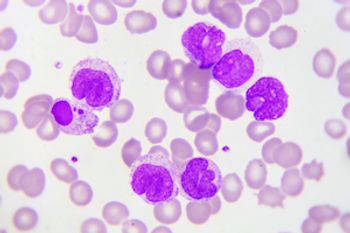
Long noncoding RNAs (lncRNAs) are involved in the pathogenesis of b-cell precursor acute lymphoblastic leukemia (BCP-ALL) and contribute to the stratification of BCP-ALL subtypes, according to results from a recent study.

The approval marks the first non-chemotherapy combination regimen for the treatment of patients with chronic lymphocytic leukemia (CLL).
Two recent studies analyzed patients with multiple myeloma to identify factors that impacted response to therapy.
Advertisement
Advertisement
Trending on AJMC
1
TrumpRx Launch Brings Savings—and Uncertainty
2
As Cencora Closes With OneOncology, Patton Says Terms Show “Trust”
3
Benefits, Tradeoffs of Medically Integrated Dispensing in Oncology Care: Katherine Tobon, PharmD, BCOP
4
Asundexian Reduces Risk of Stroke Recurrence in Phase 3 OCEANIC-STROKE Trial
5