




Davey Daniel, MD, chief medical officer, OneOncology, speaks on the knowledge, infrastructure, and payer-related barriers that are limiting the use of genomic testing in the management of patients with lung cancer.
Davey Daniel, MD, chief medical officer, OneOncology, speaks on the knowledge, infrastructure, and payer-related barriers that are limiting the use of genomic testing in the management of patients with lung cancer.

Across OneOncology, says Edward Arrowsmith MD, MPH, clinical pathways offer a vehicle for physicians to agree on best practices and to implement them across the network. Early this year, Arrowsmith became medical director for Clinical Pathways, OneOncology.

Findings suggest measuring excess weight in patients may help predict the development of radiation pneumonitis.

Although the widespread use of low dose computed tomography screening for lung cancer has led to improved mortality in recent years, disparities in uptake persist throughout the United States.

Melissa Johnson, MD, program director of Lung Cancer Research at Sarah Cannon, discusses the need for increased lung cancer screening among patients who have no tobacco use history.
Melissa Johnson, MD, program director of lung cancer research at Sarah Cannon Research Institute, outlines the importance of diverse patient populations in cancer trials.

Researchers reviewed clinical trial data of 19 FDA-approved treatments for non-small cell lung cancer.
Melissa Johnson, MD, program director of Lung Cancer Research at Sarah Cannon, explains factors inhibiting uptake of next-generation sequencing testing among patients with lung cancer.

Researchers assessed the incidence of this potentially deadly complication among patients who recently underwent surgery for their non-small cell lung cancer (NSCLC).

Authors outlined advancements in chimeric antigen receptor-modified T (CAR-T) cell therapy for lung cancer, and accompanying challenges.

Findings of a meta-analysis suggest adding antiangiogenics to second-line treatment in non–small cell lung cancer (NSCLC) may improve survival outcomes, especially in younger patients.
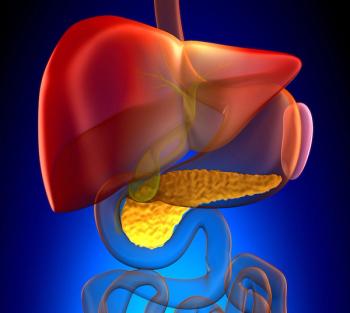
Researchers used data to develop a nomogram that identified factors associated with worse prognoses in patients with non–small cell lung cancer (NSCLC) and liver metastases.

Writing in Journal of Internal Medicine, researchers examine potential barriers inhibiting uptake of low-dose CT lung cancer screening in Europe.

A recent study demonstrates certain driver mutations in patients with non–small cell lung cancer (NSCLC) may shorten disease-free survival after combination neoadjuvant immunotherapy and chemotherapy.

Integrating plasma next-generation sequencing (NGS) alongside tissue testing when determining lung cancer diagnosis may improve outcomes for patients.
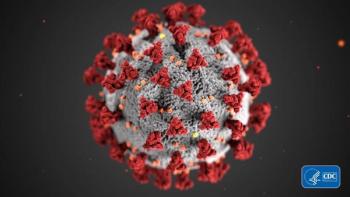
Researchers analyzed declines in clinical trial enrollment and asked sites what mitigation strategies they employed to meet the reduction.

Researchers compared drug costs among hospitals, specialty pharmacies, and physician offices.

Patients who utilized a patient-reported outcome (PRO) symptom measurement tool reported superior postdischarge outcomes after lung cancer surgery compared with those who received usual care.
Patients with non–small cell lung cancer (NSCLC) reported superior mental health well-being during the COVID-19 pandemic compared with a control population that did not have cancer.

The national coverage determination will help detect early non-small cell lung cancer, CMS said.

Using data from a meta-analysis, researchers determined tumor-stroma ratio could serve as a survival predictor in non–small cell lung cancer (NSCLC).
The overdiagonsis identified in the current study also led to overtreatment in this population, authors found.

A meta-analysis on first-line treatment for non–small cell lung cancer (NSCLC) in clinical trials revealed that inclusion of dexamethasone along side chemotherapy and PD-L1 inhibitors yielded benefits in this patient population.

New research out today details the lack of price reductions seen among recently launched brand-name drugs for non–small cell lung cancer (NSCLC).
Researchers examined differences in lung cancer screening and follow-up rates among individuals residing in Hawaii.