



Lupus
Latest Content
Advertisement
Latest Videos


Advertisement
More News

The case involved a 69-year-old man who presented with lupus nephritis.

A new review article explains the role of biologics in treatment systemic lupus erythematosus (SLE) and lupus nephritis.

New data show litifilimab outperformed placebo in patients with active arthritis and skin manifestations due to systemic lupus erythematosus (SLE).

The authors found the association by comparing echocardiographic and biochemical changes after 5 years in patients with systemic lupus erythematosus (SLE).

A new study finds anxiety and depression are more common in people with systemic lupus erythematosus (SLE) if they also have nephritis.

The findings mean it may be feasible to use adult systemic lupus nephritis (SLE) trial data to reduce the data needed for pediatric indications.

The use of existing guidelines for pediatric treatment varies significantly among sites, a new study has found.

A new review outlines what is known about cardiovascular disease (CVD) risk in patients with systemic lupus erythematosus (SLE) and how that might affect patient care.

A new case report highlights the potential benefits of risk assessment for women with a family history of autoimmune diseases, such as systemic lupus erythematosus (SLE), who are considering the human papillomavirus (HPV) vaccine.

This ratio could be used to better predict disease activity and poor prognosis.

Elevated levels of HER2, VCAM, and TWEAK indicated proteinuria, study authors say of their new findings.

Investigators said they were able to confirm diagnoses of systemic lupus erythematosus (SLE) and thrombotic thrombocytopenic purpura (TTP) because they took a multidisciplinary approach.

Investigators say recent research into the development of cutaneous lupus erythematosus has created the potential for new therapies.
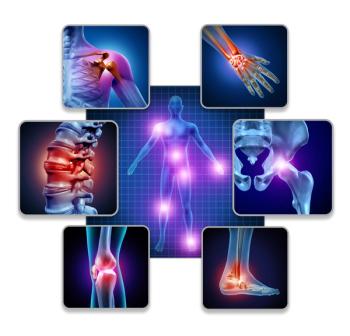
A new study highlights potential therapies to decrease cardiovascular risk in people with systemic lupus erythematosus (SLE) and identifies biomarkers that may indicate a heightened risk.

A new study outlining the experiences of women with systemic lupus erythematosus (SLE) finds many women feel their initial symptoms are downplayed by providers, leading to costly delays in diagnosis.

A new review article outlines current agreements and disagreements between association guidelines, but notes the recommendations are likely to change more in the future.

A booster dose of a SARS-CoV-2 vaccine cut infection risk nearly in half, study finds.

A narrative review shows that diagnosing systemic lupus erythematosus (SLE) requires physicians to keep an open and inquisitive mind.

Investigators note that the most recent systemic lupus erythematosus (SLE) classification system has quickly become the gold standard, but disease classification remains challenging.

The tool relies on factors including creatinine, anti–double-stranded DNA antibody, and gender, among others.

A single-center analysis of more than 30 years of data shows rates of preterm births and preeclampsia remained stable

The investigators cautioned, however, that the factors identified had only modest predictive power.
The study, based on 33 years of data, also explored auto-antibody production in the rare patient group.

Levels of the 2 markers appeared to indicate both the presence of SLE and disease activity levels.

Forty-two percent of patients in the cohort had an adverse pregnancy outcome.

Patients with higher levels of interferon-β (IFNβ) in their B cells were less likely to have oral and nasal ulcers or photosensitivity.
Patients of Asian heritage were also more likely to have end-organ manifestation, the authors found.

The pain, planning, emotional health, and fatigue quality of life domains were most impacted as a result of severe systemic lupus erythematosus (SLE) flares.
Advertisement
Advertisement
Trending on AJMC
1
FDA Approves Asundexian, First FXIa Inhibitor to Prevent Repeat Stroke
2
How Plans, Clinicians Should Handle Gray-Market Retatrutide
3
IVF Beats IUI for Early Live Births in Unexplained Infertility
4
Early-Onset Cancers Often Found Late as Screening Gaps Persist
5