



Patients with fatty liver disease are significantly more likely to develop kidney stones, a national study found.
Patients with fatty liver disease are significantly more likely to develop kidney stones, a national study found.

A machine learning–driven web tool based on 13 standard patient metrics demonstrates strong predictive performance for MASLD, supporting early clinical intervention.
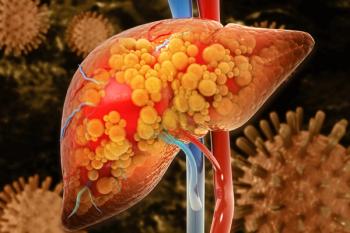
Weight loss medications show promise in improving liver health for those with chronic liver conditions, a review found.

These patients had a higher spleen-to-liver stiffness ratio than those with alcohol-related liver disease, warranting a closer look at testing.

By 2040, advanced metabolic dysfunction–associated steatohepatitis (MASH) is projected to rise by at least 20% in the 9 countries assessed.
The treatment also showed signs of metabolic gains, with more benefit seen with the 50-mg dose than the 28-mg.

The Mediterranean diet and aerobic exercise significantly reduced weight, liver enzymes, and waist circumference in patients with metabolic dysfunction–associated steatotic liver disease (MASLD) and metabolic dysfunction–associated steatohepatitis (MASH), a study finds.

The global incidence, deaths, and disability-adjusted life years tied to metabolic dysfunction–associated steatohepatitis (MASH)-related liver cancer have more than doubled in older adults since 1990, with a heavy impact on low- and middle-income countries.

Approval was based on part 1 of the ESSENCE trial, with part 2 results expected in 2029.

The risk of fatty liver disease is especially high in patients with multiple cardiometabolic risk factors who undergo gallbladder removal, according to research from South Korea.
TACE combined with SBRT enhanced survival rates in patients with large hepatocellular carcinoma tumors, offering promising treatment insights.

Findings underscore the potential limitations of using systemic inflammatory indices like the Dietary Inflammatory Index and Systemic Immune-Inflammation Index to assess organ-specific conditions.

Researchers said longitudinal studies are critical to refine and optimize the management of metabolic dysfunction–associated steatotic liver disease (MASLD).

In the M-ACCEL trial, HU6-induced weight loss was exclusively attributed to fat loss, with no statistically significant loss in lean muscle.

There was no association observed between lower income and increased fibrosis among New York City residents with metabolic dysfunction-associated steatohepatitis (MASH).
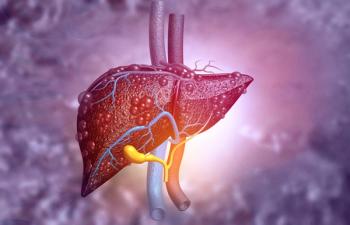
The Global Liver Institute urges worldwide integration of liver health into diabetes and obesity care as steatotic liver disease surges.

Findings offer a potential basis for sex-specific dietary guidelines for metabolic dysfunction–associated steatotic liver disease (MASLD), as this relationship was significant for men but not women.

Weekly 2.4 mg semaglutide was linked to improved liver histology results but did not significantly reduce body pain compared with placebo.

Naim Alkhouri, MD, spoke to the potential for glucagon-like peptide-1 (GLP-1) receptor agonists to transform the treatment landscape for patients with metabolic dysfunction-associated steatohepatitis (MASH) and severe fibrosis.

Lacking awareness of metabolic dysfunction-associated steatohepatitis (MASH) constitutes a critical barrier for enhancing patient care, said Naim Alkhouri, MD. Awareness efforts can not only increase patient access, but also improve the overall wellbeing, experience, and outcomes for this population.
The future of treating metabolic dysfunction–associated steatohepatitis (MASH) looks brighter than ever, says Naim Alkhouri, MD, as data emerges on newly developed interventions.
Recent advances have marked a turning point for the treatment noncirrhotic metabolic dysfunction-associated steatohepatitis (MASH), with more therapies on the horizon to hopefully better address patients' cirrhosis, explained Naim Alkhouri, MD.

A recent review highlights the gaps in clinical guidelines and treatment approaches for metabolic dysfunction-associated steatohepatitis (MASH) and looks ahead to the future promise of glucagon-like peptide 1 (GLP-1) receptor agonists for liver conditions.

Data from patients across 3 different randomized controlled trials showed improvements in both adiponectin and PRO-C3, primary end points in the trials.

Data from a meta-analysis of 8 observational studies accounting for more than 26 million people across the globe were evaluated in a new review.