
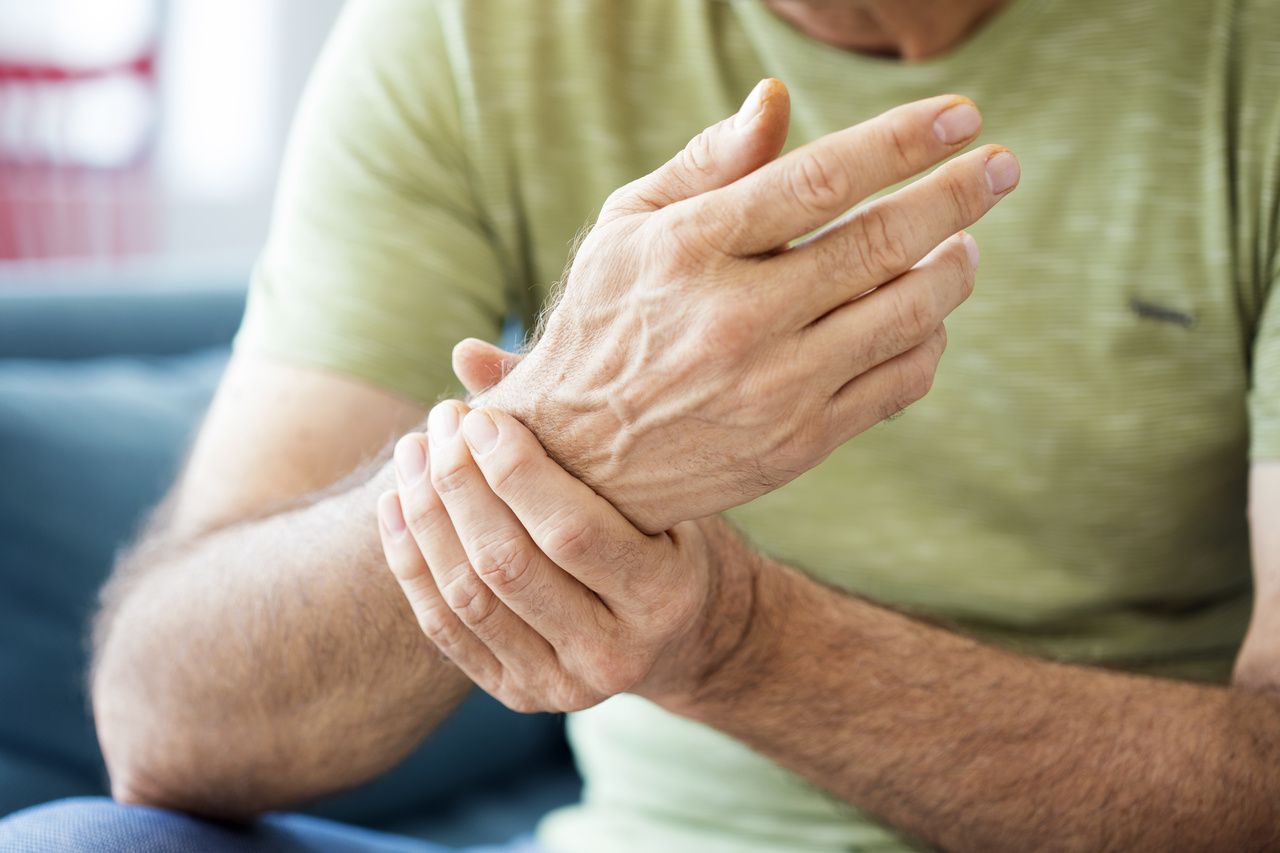





The motor and non-motor symptoms of patients with Parkinson Disease were shown to slightly improve with a weekly exercise regimen of physical and cognitive exercises, according to research presented at Future Physiology 2019.
The motor and non-motor symptoms of patients with Parkinson Disease were shown to slightly improve with a weekly exercise regimen of physical and cognitive exercises, according to research presented at Future Physiology 2019.

The drug, HU-308, is aimed at treating levodopa-induced dyskinesia (LID). The animal study showed that it was as effective as amantadine, the only available treatment for dyskinesias; combining HU-308 with amantadine was also more effective than either drug used alone.

Caregivers of patients with Parkinson disease (PD) experiencing symptom recurrence after a period of symptom control, known as OFF periods, reported that PD had a greater impact on their paid employment through variables such as loss of earnings, loss of opportunities, or ability to maintain employment compared with caregivers for patients without OFF periods.

Study results presented at AMCP Nexus 2019 in National Harbor, Maryland, showed that 65.4% of patients with parkinson disease reported experiencing symptom recurrence, known as OFF periods, which impedes work productivity and employment.
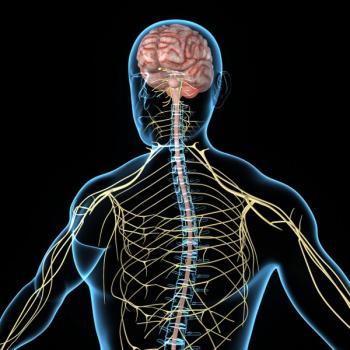
Dopamine receptor D3 (DRD3) signaling regulates the dynamic of the acquisition of pro-inflammatory and anti-inflammatory features by astrocytes and microglia, favoring microglial activation and promoting neuroinflammation—the pathogenic process leading to neurodegeneration in many disorders, including Parkinson disease, according to a recent study.

Alexithymia—the inability of recognizing and verbalizing emotions and distinguishing them from bodily sensations—may be identifiable early on in patients with progressive supranuclear palsy with predominant parkinsonism (PSP-P) and PSP with Richardson’s syndrome (PSP-RS).

A disturbed relationship between chaperone proteins and the protein α-synuclein was linked to cell damage and the development of Lewy bodies, which are common in those diagnosed with Parkinson disease, according to study findings.

A study aiming to determine whether blood cells expressing α‐synuclein (α‐syn) can differentiate Parkinson disease (PD) from healthy controls (HC), finding that there is potential usefulness of blood cells expressing α‐syn as a biomarker for PD.

A minimally invasive procedure that applies pulses of focused ultrasound to the brain was found to be safe and effective in reducing tremors and improving the quality of life in patients with Parkinson disease and essential tremor, according to research to be presented at the annual meeting of the Radiological Society of North America.

Researchers discovered new molecular drivers of Parkinson disease (PD) and determined their impact on the functions of genes involved in PD, potentially leading to novel treatments, according to study findings.

The Leap Motion Controller system used with serious games may be an effective option for a rehabilitation tool for improving coordination, speed of movements, and fine upper limb dexterity in patients with Parkinson disease, according to a recent study, published by the Journal of NeuroEngineering and Rehabilitation.

The EPA proposal to limit science used in rulemaking was discussed by panel members during a hearing held today by the House Committee on Science, Space, and Technology, with patient confidentiality serving as a major issue.

States can reduce Medicaid spending if the beneficiaries are also veterans, explains a veteran who started outreach in Washington state, which has since saved over $100 million since 2002.
Researchers uncovered that patients with Parkinson disease could benefit from immune modulation as an alternative treatment, due to the condition’s influence on immune imbalance, according to study findings.

The Personal KinetiGraph (PKG) Movement Recording System may be effective for routine clinical care of patients with Parkinson disease (PD), according to a recent study.

Greater non-motor symptom burden may be associated with thalamic atrophy in Parkinson disease (PD), suggesting that the thalamus has a significant role in processing sensory information including visceral afferent from the gastrointestinal tract and regulating states of sleep.

Performance on a manual dexterity test can act as an objective behavior marker that can aid in detecting the prodromal stage of patients with Parkinson disease.

Parkinson disease significantly impacts an individual’s quality of life (QoL); however, many spouses and family’s QoL and finances are also affected through increased healthcare and privately borne costs as the condition progresses, according to a recent study.

Researchers have identified a group of genetic variants related to the starting point of Parkinson disease.

A recent study investigated whether gait parameters were implicated in motor symptoms or the risk of falling, fining that backward gait (BG) dynamics were more impaired in patients with Parkinson's disease.

A meta-analysis suggests that patients with bipolar disorder have a much greater risk of developing Parkinson disease (PD).

A higher-than-normal body mass index (BMI) at the time of a diagnosis of Parkinson disease (PD) has a protective effect against cognitive decline and the conversion to dementia, a recent study indicated.

Pimavanserin may be an effective treatment option for patients with Parkinson disease who develop Parkinson disease psychosis, according to a recent study published by Neuropsychiatric Disease and Treatment.

Here are the top 5 articles for the month of September.
Cognitive status may be affected by the relationship of Parkinson disease (PD) and affective theory of mind through the involvement of visuospatial abilities (VSA), a recent study reported.