



Real-world data can help resolve some challenges commonly faced in clinical trails, said Viraj Narayanan, MBA, vice president of Life Sciences at COTA Healthcare.
Real-world data can help resolve some challenges commonly faced in clinical trails, said Viraj Narayanan, MBA, vice president of Life Sciences at COTA Healthcare.

Flow cytometry (FCM), next-generation sequencing, (NGS), and polymerase chain reaction (PCR) are the 3 most common methods clinicians use to diagnose minimal residual disease (MRD) in patients with acute lymphoblastic leukemia who have undergone chemotherapy, radiotherapy, or immunotherapy. MRD can be found both in bone marrow via aspiration and peripheral blood circulation through a draw.

A testosterone-related genetic variant (HSD3B2[1245C]) is linked to poor outcomes in advanced prostate cancer, according to a recent study published in JAMA Oncology.
Instead of replacing clinical trials, real-world data will be used to supplement traditional clinical trial information, said Viraj Narayanan, MBA, vice president of Life Sciences at COTA Healthcare.

Anti-CD19 chimeric antigen receptor natural killer (CAR NK) cells, derived from donor umbilical cord blood, produced a 73% objective response rate in 11 patients with lymphoid tumors who received just 1 dose of the infused therapy, with no occurrences of cytokine release syndrome or neurotoxicity, in preliminary study results out of MD Anderson. Seven patients had a complete remission.
The integration of real-world data into clinical research may mark a shift away from clinical trial information, said Viraj Narayanan, MBA, vice president of Life Sciences at COTA Healthcare.

This week, top managed care stories included a new plan for Medicaid block grants; federal officials’ response to the novel coronavirus; FDA offers guidance for gene therapies.

Chimeric antigen receptor (CAR) T cells are a patient’s own, harvested and reengineered to attack specific malignant cells. They were initially developed using knowledge gleaned from allogeneic stem cell transplants: that donor mature immune cells can attack healthy cells in the recipient patient.

CMS said it is expanding coverage of next generation sequencing (NGS) for use as a diagnostic for patients with germline breast and ovarian cancer, paving the way for Medicare beneficiaries to receive more personalized medicine. However, an advocate said the wording of CMS' decision could actually limit testing access for some women with breast or ovarian cancer.

We speak with one of the authors of a recent study examining why overall biomarker testing rates remain poor for metastatic colorectal cancer.
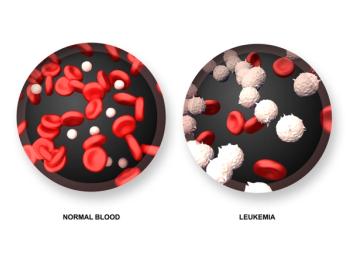
Minimal residual disease (MRD), a measure of how many cancer cells remain in a patient during or following chemotherapy or stem cell transplant, is a potent indicator of whether or not a patient is likely to relapse; recent research probed the associations between MRD status and certain prognostic risk factors in childhood B-lymphoblastic leukemia after both induction and consolidation.

Several barriers exist when it comes to effectively integrating genomic testing and biomarkers into cancer testing and care, said Stuart Goldberg, MD, Chief of the Division of Outcomes and Value Research at the John Theurer Cancer Center at Hackensack University Medical Center.

Minimal residual disease (MRD) may be prevalent in clinical trials and discussed at conferences, but it is not really used widely in practice, said C. Ola Landgren, MD, PhD, professor of medicine and chief of the Myeloma Service at Memorial Sloan Kettering Cancer.

The small molecule from BeyondSpring is currently in late-stage clinical development in non–small cell lung cancer and for prevention of chemotherapy-induced neutropenia.

clonoSEQ, from Adaptive Biotechnologies, is a next-generation sequencing assay with existing Medicare coverage to monitor for minimal residual disease (MRD) in multiple myeloma and B-cell acute lymphoblastic leukemia. The newest Medicare coverage is for chronic lymphocytic leukemia (CLL), which takes effect immediately.

The platelet-derived growth factor receptor alpha (PDGFRA) exon 18 mutation occurs in close to 6% of patients with gastrointestinal stromal tumors (GIST), the most common being the D842V mutation, for which there is no effective, approved treatment. The drug previously received breakthrough therapy, fast track, and orphan drug designations.
While minimal residual disease (MRD) has been a topic of research for at least a decade, right now it is more top of mind than ever before for people treating cancer, said C. Ola Landgren, MD, PhD, professor of medicine and chief of the Myeloma Service at Memorial Sloan Kettering Cancer.

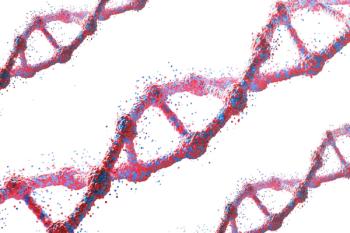
Caris Life Sciences, a leader in somatic testing on cancer tumor cells, has joined forces with Ambry Genetics to offer its 67-gene test that evaluates a patient’s hereditary risk for cancer.
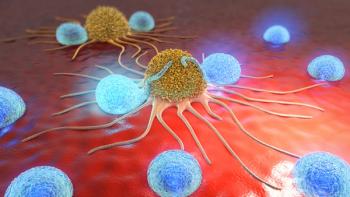
Epigenetic drug therapy should be explored for certain patients with marginal zone lymphoma, according to a recent study.