


Rheumatology
Latest Content
Advertisement
Latest Videos





Advertisement
More News
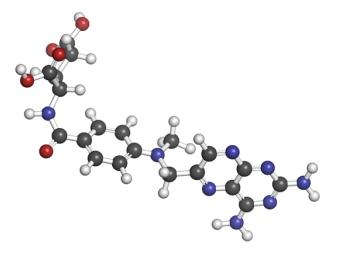
The study analyzed 20 clinical prediction models (CPMs) for rheumatoid arthritis (RA), all of which were deemed to have a high risk of bias, leading the researchers to urge against their use to guide decision-making without addressing their limitations.

Data from a literature review of 41 studies were analyzed and subsequently leveraged to create a survey among physicians on the use of 4 targeted therapies in systemic sclerosis-interstitial lung disease (SSc-ILD).

This analysis of 5 studies found that, compared with placebo, all biologic regimens improved Psoriasis Area and Severity Index (PASI) 90 response—considered a gold standard goal due to its correlation with quality of life.

Machine learning models collected using a crowdsourcing approach that provide feasible, quick, and accurate methods to quantify joint damage in rheumatoid arthritis (RA) could potentially be incorporated into electronic health records.

About 1 in 7 people with systematic onset juvenile idiopathic arthritis (SJIA) will not respond to interleukin-1 or interleukin-6 inhibitors.

Investigators conducted a review of 21 studies on the effects of a gum disease treatment on various rheumatoid arthritis (RA) disease activity measures.
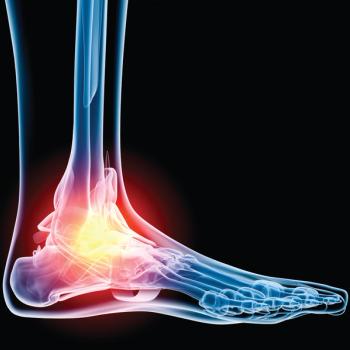
Juvenile idiopathic arthritis (JIA) disease flare was significantly longer in children with enthesitis-related arthritis and juvenile psoriatic arthritis treated with secukinumab compared with placebo.

While past research suggests patients with rheumatoid arthritis (RA) are at increased risk for dementia, a Mayo Clinic study claims this is not the case.

The new report reverses previous research suggesting that White men who consumed large amounts of gamey meat and rich foods were most at risk.

The summary includes expanded indications for certain vaccines, approaches for live-attenuated vaccines, and medication management around the time of vaccination for patients with rheumatic and musculoskeletal diseases (RMDs).

According to the review, the most important novel developments were related to the repositioning of old drugs in the context of treat-to-target (T2T) therapy and new long-term safety information on Janus kinase (JAK) inhibitors.

Patients with gout who experienced a heart attack or stroke were twice as likely to have experienced a gout flare within the past 60 days compared with patients with gout who did not experience either event.

Interviews conducted with patients with rheumatoid arthritis (RA) revealed 6 important aspects of daily life that are rarely measured in RA research.

While a 1-year course of methotrexate improved physical function, pain, morning joint stiffness, and joint inflammation, it did not prevent the development of clinical arthritis.

A systemic review found that patients with rheumatic diseases experienced comparable outcomes and satisfaction from telemedicine compared with in-person treatment.

A review found rheumatic conditions cause 22.2% of global cases of fever and inflammation of unknown origin.

None of the adolescent and young adult (AYA) participants in a study reported experiencing the Six Core Elements of Healthcare Transition during their rheumatology health care transition.

Participants in a digital acute musculoskeletal (MSK) program experienced better pain and function outcomes vs nonparticipants, demonstrating benefits for acute and subacute MSK conditions.

Pegloticase (Krystexxa) injection coadministered with methotrexate received FDA approval for the treatment of gout.

Researchers found that risk of adverse events and mortality did not increase following certain rheumatoid arthritis (RA) treatments.

Outcomes for patients with ankylosing spondylitis (AS) and psoriatic arthritis (PsA) may depend on gender, time to diagnosis, and body mass index (BMI), according to subanalyses of the AQUILA study of patients taking secukinumab.

Abstracts presented at EULAR 2022 focused on racial differences in gout prevalence and treatment, highlighting racial disparities in recent decades.

Based on limited existing evidence, a systematic review found no single dietary factor had a meaningful impact on rheumatic and musculoskeletal disease (RMD) outcomes.

Adults aged 50 and older who walked for exercise were less likely to develop new frequent knee pain and medial joint space narrowing.

Prior miscarriage and antinuclear antibody positivity are independent risk factors associated with adverse pregnancy outcomes among women with rheumatoid arthritis (RA).
Advertisement
Advertisement
Trending on AJMC
1
FDA Approves Oral Giredestrant Regimen for ESR1-Mutated Breast Cancer
2
Hepatitis B Screening Gaps Persist as Functional Cure Option Arrives
3
IgA Nephropathy, FSGS Care Needs Coordinators, Not Just New Drugs
4
Complicated UTI Care Strained by Unclear Goals, Access Gaps
5