





Women's Health
Latest News
Advertisement
Latest Videos




Advertisement
More News

The maternal morbidity was compared between states that passed laws to regulate providers with states that did not.

Cervical cancer screening adherence drops below 10%, highlighting confusion over evolving guidelines and significant disparities in HPV awareness.

Svetlana Barbarash, MD, explains how better education, digital monitoring tools, and coordinated care can improve arrhythmia detection and outcomes.
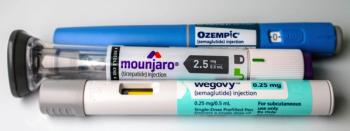
Discontinuing GLP-1 use before or early in pregnancy raises gestational weight gain, birth weight percentile, and the risk of pregnancy complications.
HHS has initiated removal of black box warnings on hormone replacement therapy, citing its advantages to women's health, but also drawing pushback.

Lisa Taylor-Swanson, PhD, explains how including Indigenous and Hispanic women in conversations around menopause care helps fine-tune interventions.
Despite social media frenzy, there is limited evidence around testosterone’s impact on muscle, mood, and other menopausal symptoms.

Attorney General Ken Paxton claims the manufacturers marketed acetaminophen toward pregnant women despite the “known dangers” to unborn children.

New data reinforce elinzanetant’s safety, efficacy, and ability to improve sleep disturbances in menopausal women, independent of vasomotor symptom relief.

Early and lifelong trauma can intensify menopause symptoms and accelerate cardiovascular and brain aging, according to research.

Preclinical data suggest a possible synergistic interaction between estrogen and GLP-1 signaling, explains Regina Castaneda, MD.

US safety data show that elinzanetant caused few adverse events and no new liver-related concerns in women, James Simon, MD, explains.

Elinzanetant offers a new hormone-free solution for managing menopause-related hot flashes, targeting the root cause of vasomotor symptoms.

Hormonal shifts drive fat redistribution, muscle loss, and bone decline—all risk factors for cardiovascular disease in women, says Brooke Aggarwal, EdD.

Treating vasomotor symptoms, sleep disturbance, and mood disorders can remove barriers to weight loss for women during menopause, experts say.

Which hormonal contraceptives are still safe, when should women stop using them, and what other benefits do they offer during the menopause transition?

Elinzanetant offers a promising alternative to hormone therapy for women seeking relief from menopause symptoms, said JoAnn V. Pinkerton, MD.
Different cultural, linguistic, and systemic barriers could impact how Indigenous and Hispanic women access menopause care, said Lisa Taylor-Swanson, PhD.

Can women feel relief from tinnitus and burning mouth syndrome during perimenopause and menopause?

Assessing all available nonhormonal and hormonal therapies for vasomotor symptoms helps empower women to make informed decisions, said Lee Shulman, MD.
Experts also explained how hormone therapy can benefit women managing chronic conditions such as diabetes and hypertension on top of their menopause.
Telehealth medication abortion service requests double after the Supreme Court's Dobbs ruling, as patients seek accessible and cost-beneficial care.
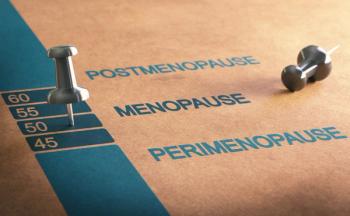
Researchers will present new findings on how menopause affects cardiovascular, brain, metabolic, and digestive health.

Education on birth control and its potential adverse effects is vital to women choosing the type that best suits them.

Lindsey Valenzuela, PharmD, explains how value-based models empower a single pharmacist to manage multiple layers of these disease states.
Advertisement
Advertisement
Trending on AJMC
1
5 Things to Know About the One Big Beautiful Bill Act
2
Coroner Reports Pennsylvania's Sixth Measles-Associated Death
3
Medicaid Obesity GLP-1 Coverage May Offset Some Diabetes-Labeled Use
4
FAQ: How Payers Can Close HIV Prevention and PrEP Access Gaps
5