
Patients can benefit both financially and clinically by enrolling in ongoing clinical trials, said Eric Lander, MD.
Patients can benefit both financially and clinically by enrolling in ongoing clinical trials, said Eric Lander, MD.
Making clinical trials easier to find for clinicians and making protocols for entering clinical trials more lenient can help to improve access to clinical trials on a national and local level, explains Eric Lander, MD, of Minnesota Oncology.

The role that artificial intelligence (AI) and other technology can play in care delivery is growing, said Coral Omene, MD, PhD, of Rutgers Cancer Institute and RWJBarnabas Health.
Effective toxicity management in oncology requires pharmacists to document interventions clearly and collaborate closely with multidisciplinary teams, says David Awad, PharmD, BCOP.
Mansi Shah, MD, discusses the role of stem cell transplant in multiple myeloma (MM) and the logistical barriers to wider adoption of bispecific therapies.
Collecting comprehensive patient data, including social determinants of health, is crucial for equitable value-based cancer care, yet administrative burdens could worsen existing disparities, said Coral Omene, MD, PhD, of Rutgers Cancer Institute and RWJBarnabas Health.
Defining "value" in cancer care goes beyond survival and should encompass patient quality of life metrics, said Coral Omene, MD, PhD, of Rutgers Cancer Institute and RWJBarnabas Health.
David Awad, PharmD, BCOP, says pharmacists play a growing role in managing access, safety, and toxicity for these therapies, ensuring treatments are appropriate and sustainable in real-world oncology practice.
Insurance hurdles in value-based cancer care create delays and anxiety for patients and providers, complicating access to essential treatments, explained Coral Omene, MD, PhD, of Rutgers Cancer Institute and RWJBarnabas Health.

Pharmacists enhance value-based care by selecting cost-effective treatments, managing adherence, and preventing hospitalizations through collaborative multidisciplinary teamwork, said Eileen Peng, PharmD, of Astera Cancer Care.

Cathy Eng, MD, FACP, FASCO, Vanderbilt-Ingram Cancer Center, speaks about the clinical and operational priorities that academic medical centers make front-and-center when caring for underserved populations receiving treatment for cancer.
Pharmacists play a crucial role in managing treatment with chimeric antigen receptor T-cell therapy and bispecific antibodies, focusing on patient selection and side effects, explained Eileen Peng, PharmD, of Astera Cancer Care.

Meaningful transformation in health care requires ongoing, collaborative efforts, explained Eboni Price-Haywood, MD, MPH, MMM, Xavier Ochsner College of Medicine; and Toni Flowers, PhD, DHL, MBA, LCMC Health.

Novel therapies for multiple myeloma (MM), including chimeric antigen receptor T-cell and bispecific antibodies, extend lives but raise concerns about treatment costs and adherence, and they haven't replaced stem cell transplantation, Harsh Parmar, MD, of Hackensack University Medical Center, explains.
"Value" in oncology should measure far more than clinical outcomes, stated Andrew Chapman, DO, as he argued how rethinking "value" could not only enhance patient care but also drive down costs.
Although immunotherapies and biomarker-driven interventions have transformed lung cancer outcomes, Martin Edelman, MD, Fox Chase Cancer Center, highlighted the present challenge hindering clinicians' abilities to anticipate patients' treatment responses.
Pierluigi Porcu, MD, speaks to the considerations clinicians need to account for to balance cost, patient experience, and outcomes for those with chronic lymphocytic leukemia (CLL).
Missy Hopson, PhD, Ochsner Health, discussed in detail the challenges of strengthening the patient-centered workforce, the power of community reputation for encouraging health care careers, and the influence of empowered workforces on patient outcomes.
Elizabeth Grush, MBA, speaks to the support, benefits, and holistic considerations that patient-centered care can provide for the betterment of patient experiences and outcomes.
Cathy Eng, MD, FACP, FASCO, participated on the panel discussion, “Health Equity in Cancer Care Delivery,” during the January Institute for Value-Based Medicine® event, “Elevating Value in Cancer Care: Nashville.”
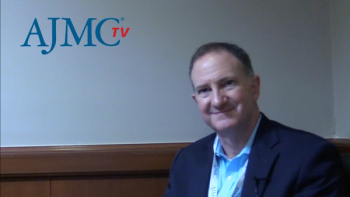
Kenny Cole, MD, of Ochsner Health, spoke to the value integrated teams bring to health care and the obstacles that hinder health systems' ability to move toward integrated care approaches.

Karen Winkfield, MD, PhD, addresses the importance of meeting patients where they are to expand clinical trial participation and remove barriers to trial access.
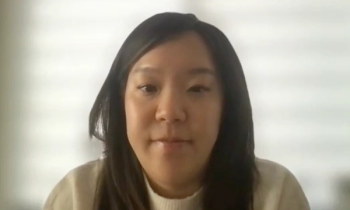
Tiffany Meng, PharmD, an oncology pharmacist, UCSF Health, discusses how pharmacists help mitigate financial toxicity for patients with breast cancer.
Tiffany Meng, PharmD, an oncology pharmacist, UCSF Health, shares how pharmacists can collaborate with physicians to find the most effective and affordable therapies for patients.
Karen Winkfield, MD, PhD, addresses the importance of inclusive clinical trial participation and meeting patients where they are.
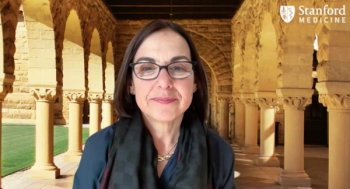
Lidia Schapira, MD, FASCO, professor of medicine at Stanford Medicine, medical oncologist, and director for the Stanford Cancer Institute and the Stanford Comprehensive Cancer Center, shares ways in which clinicians can help enhance patient engagement and shared decision-making.
Tiffany Meng, PharmD, oncology pharmacist, UCSF Health, discusses ways that pharmacists can help guide patients to financial assistance programs to help facilitate better access to breast cancer therapies.
Lidia Schapira, MD, FASCO, professor of medicine at Stanford Medicine, medical oncologist, and director for the Stanford Cancer Institute and the Stanford Comprehensive Cancer Center, discusses the impact of social determinants of health (SDOH) when it comes to accessing innovative breast cancer treatments.
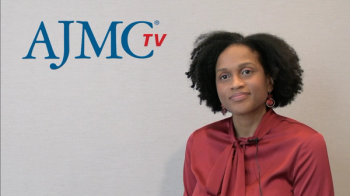
Jade E. Jones, MD, of Emory Winship Cancer Institute, shares how considering patients' travel needs, social services, and insurance concerns can help improve access to care.
Susan Escudier, MD, FACP, discusses the impact of insurance coverage gaps, transportation barriers, and financial hardships on cancer care access and emphasizes the need for payers to better support patients at high risk.