
Clark Alsfeld, MD, discusses how telemedicine, pharmacists, and evolving policies help overcome financial and geographic barriers in oncology care.
Clark Alsfeld, MD, discusses how telemedicine, pharmacists, and evolving policies help overcome financial and geographic barriers in oncology care.
Danielle Roman, PharmD, BCOP, discusses the challenges of accessing genomic test results and managing prior authorization in patient care for breast cancer.
Diet and wellness impact multiple sclerosis management, enhancing quality of life and reducing fatigue through lifestyle changes and holistic approaches.
Broader eligibility, real-world data, and community partnerships are expanding access to CAR T-cell therapy.
Explore how the Veteran Affairs (VA) MS Centers of Excellence enhance veteran care through a hub-and-spoke model, telehealth, and groundbreaking research.
Ochsner MD Anderson expands cancer care access in Louisiana through community partnerships, technology, and strong patient-physician relationships.
Nurse practitioners play an essential role in diagnosing, treating, and supporting individuals living with Alzheimer disease.
Melanie Sheen, MD, describes efforts to boost diverse clinical trial enrollment through trust, community partnerships, and equitable patient engagement.
Oncology care advances target social determinants of health through AI, patient education, and community engagement.
Early intervention and effective therapies are transforming multiple sclerosis management, enhancing patient outcomes, and delaying disability progression.
Darla Chapman, DNP, ARNP, University of Washington, speaks on the evolution of Alzheimer diagnosis, emphasizing early detection and innovative biomarkers.
Using artificial intelligence (AI) to specialize treatment for patients with different kinds of cancer can be a boon to clinicians looking to personalize their care.

Guideline-directed medical therapy used with remote monitoring can potentially reduce hospitalization in patients with heart failure with ejection fraction.
New methods of testing tissue and plasma beyond next-generation sequencing (NGS) could be used to deliver the best therapeutic options for patients with cancer.
Marcus Flores, PharmD, BCPS, BCOP, discusses the vital role of pharmacists in multidisciplinary cancer care, exploring collaboration, patient-centered strategies, and AI.
Ken Cohen, MD, FACP, discusses how new cognitive assessment tools are improving Alzheimer disease diagnosis.
Susan Escudier, MD, FACP, of Texas Oncology, suggests actionable insights to improve equitable access to patient cancer care
Incorporating tools that gauge social determinants of health can improve patient access to cancer care, explained Susan Escudier, MD.
Ken Cohen, MD, FACP, discusses how clinicians can support patients after a cognitive screening to identify meaningful next steps.
Susan Escudier, MD, discusses the practical implications of financial barriers for patients with cancer accessing oncology care.
Kavita Nair, PhD, FAAN, discusses the rising global burden of neurodegenerative diseases.
Andrew Wolf, MD, discusses the growing costs, treatment advances, and geographic disparities in multiple sclerosis care.
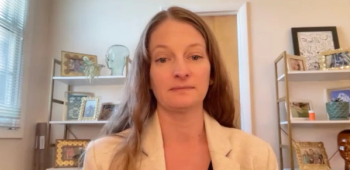
Tara Carlisle, MD, PhD, University of Colorado, discusses how coordinated care efforts and frequent safety monitoring are transforming early Alzheimer disease management.
Ken Cohen, MD, FACP, discusses the importance of expanding cognitive screening for seniors.
Experts discuss the importance of initiating blinatumomab treatment for acute lymphoid leukemia in academic centers for optimal patient care.
Kelley L. Julian, PharmD, BCOP, discusses optimizing myeloma care, addressing barriers in access to intravenous immunoglobulin and innovative therapies at Huntsman Cancer Institute.
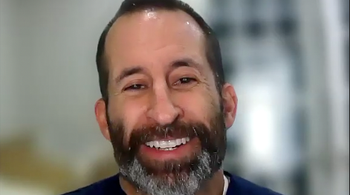
David Rometo, MD, reflects on the sustainability of incremental weight loss programs and aggressive diets.
David Rometo, MD, weighs various weight loss treatments, their success, and sustainability.
David Rometo, MD, of UPMC, addresses stigma surrounding obesity and group setting weight loss intervention therapies and how consults benefit patients.
Clinician's role in breast cancer care and access with reproductive and urinary oncologist Lakshminarayanan Nandagopal, MD