

New research presented at ASCO GI positions both agents as potent therapeutic options, with potential to redefine standard care for aggressive HER2-driven gastrointestinal cancers.
New research presented at ASCO GI positions both agents as potent therapeutic options, with potential to redefine standard care for aggressive HER2-driven gastrointestinal cancers.
Presenters shared their personal highlights of attending ASCO GI 2026.
Patient–physician collaboration ensures trials reflect outcomes that matter to patients, according to Debra Patt, MD, PhD, MBA, MPH.

Dani Castillo, MD, sheds light on the evolving landscape of first-line therapy in advanced gastric cancer.

W. Kimryn Rathmell, MD, PhD, FASCO, champions the dyad model to enhance oncology care accessibility, bridging gaps between rural patients and clinical trials.

Yara Abdou, MD, emphasizes that addressing fertility, survivorship, and quality of life is key to improving outcomes for young patients with breast cancer.
Michael David Chuong, MD, discusses how SBRT has become a leading option for treating patients with colorectal liver metastases.
Yuman Fong, MD, discusses the evolution of colorectal liver metastases management from historical neglect to multimodal approaches.

The complex disparities in pancreatic cancer survival trends across demographics and regions highlight urgent needs for targeted interventions.
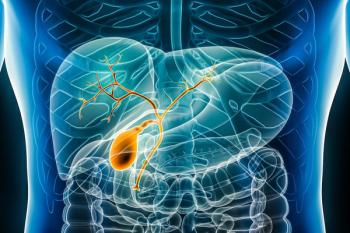
Zanidatamab shows promise in extending survival for patients with HER2-positive biliary tract cancer, marking a significant breakthrough in treatment options.

Elena Elimova, MD, shares efficacy data for zanidatamab in patients with HER2-positive gastroesophageal adenocarcinoma from HERIZON-GEA-01.

Circulating tumor DNA shows promise in detecting esophageal cancer recurrence earlier than traditional methods, enhancing posttreatment surveillance.
Multidisciplinary care helps manage cardiac risks in breast cancer, allowing patients to continue treatment safely, says Eric H. Yang, MD.

Tobacco use significantly impacts gastric and esophageal cancer outcomes, highlighting the need for targeted public health strategies and smoking cessation efforts.
Enrique Velazquez Villarreal, MD, PhD, MPH, MS, reveals how AI is being used to identify early-onset CRC and enhance precision oncology.
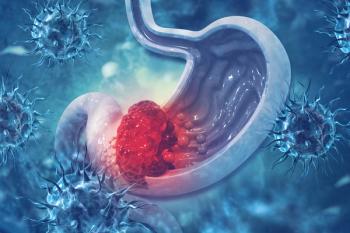
The trial is investigating zanidatamab with/without tislelizumab plus chemotherapy in HER2-positive advanced or metastatic gastroesophageal adenocarcinoma.
Genetic and metabolic differences may increase aggressive early breast cancer risk in Latin American women with obesity, notes William Audeh, MD, MS.
Smart pill bottles may boost adherence to oral breast cancer therapies through daily reminders and tracking, though cost and technology barriers remain, says Steven Manobianco, MD.

These results were presented during the press briefing ahead of the 2026 American Society of Clinical Oncology Gastrointestinal Cancers Symposium.

Amrita Basu, PhD, says AI can transform health care by streamlining data, enhancing decision-making, and unlocking insights to improve patient outcomes.
Eric H. Yang, MD, emphasizes the need for collaboration and interventions to protect patients’ hearts during breast cancer treatment.
Molecular ESR1 changes may signal symptomatic progression before imaging in metastatic breast cancer, supporting camizestrant for improved quality of life.
ASCO GU 2025 had groundbreaking advancements in genitourinary cancer treatments, focusing on prostate cancer, renal cell carcinoma, and health equity.
AI revolutionizes pharmacy by automating workloads, enhancing patient care, and navigating drug pricing challenges amid evolving federal policies.
New therapies and individualized care plans for menopausal women highlighted the most-read 2025 SABCS coverage.
The 2025 Community Oncology Conference, hosted by COA, reflected a commitment to patient-centered care, access, and innovation in community oncology.
ASH 2025 highlighted innovative cancer treatments, including in vivo CAR T therapy and options that enhance quality of life while reducing burdens.
ASCO 2025 highlighted breakthroughs, including improved cancer survival in key trials, new AI guideline tools, and expanding GLP-1 cancer research.

Martha Gulati, MD, explains how bias and underrepresentation in research lead to misdiagnosis of HFpEF in women and delays in care.
Federal policy changes, the push for fair pricing, and growing competition in the drug pipeline were major topics at this year’s meeting.

259 Prospect Plains Rd, Bldg H
Cranbury, NJ 08512
© 2025 MJH Life Sciences®
All rights reserved.