

Emergency departments (ED) struggle to screen for social determinants of health, inhibiting quality care and impacting health disparities among vulnerable populations.
Emergency departments (ED) struggle to screen for social determinants of health, inhibiting quality care and impacting health disparities among vulnerable populations.

For patients with complex needs and social challenges like unstable housing, the hospital has become their de facto medical home—yet each visit is a fragmented restart, without continuity, context, or a clear path forward.

Upadacitinib showed promising results in achieving clinical and endoscopic remission in people with moderate to severe Crohn disease, including those previously treated with advanced therapies, offering a potential second-line treatment option with a manageable safety profile.

"Value" in oncology should measure far more than clinical outcomes, stated Andrew Chapman, DO, as he argued how rethinking "value" could not only enhance patient care but also drive down costs.

Researchers consider the weight-adjusted waist index a more precise predictor of mortality risk in patients with osteoarthritis than traditional obesity measures, like body mass index.

Program chairs Lillian L. Siu, MD, FAACR, and Matthew G. Vander Heiden, MD, PhD, highlight the cross-disciplinary approach to cancer research and innovation being taken at this year's American Association for Cancer Research (AACR) Annual Meeting.

Individuals who transition from overweight to obese during adulthood may face a higher ovarian cancer risk, highlighting the importance of tracking body fat changes.

Researchers are calling for more targeted efforts to improve health equity after a new analysis revealed that cancer symptom documentation and burden vary across certain demographics.

Although immunotherapies and biomarker-driven interventions have transformed lung cancer outcomes, Martin Edelman, MD, Fox Chase Cancer Center, highlighted the present challenge hindering clinicians' abilities to anticipate patients' treatment responses.

Benjamin K. Chen, MD, PhD, discussed the next steps after the results of his study in genetic tagging showed promise in targeting HIV cells.

The case, which has implications across preventive care, is now an argument between Robert F. Kennedy Jr, the Secretary of HHS, and Braidwood Management.

Sleep duration and sleep pattern score were both independently associated with obesity occurrence, and there was a nonlinear relationship between obesity and sleep duration.

On this episode of Managed Care Cast, Brady Post, PhD, lead author of a study published in the April 2025 issue of The American Journal of Managed Care®, challenges the claim that hospital-employed physicians serve a more complex patient mix.


Dermatology providers reported strong impacts on the work and home life of patients with moderate to severe chronic hand eczema, a manifestation of atopic dermatitis.

For this analysis, outcomes were compared between individuals who had pulmonary arterial hypertension (PAH) and healthy controls by using Fitbit-derived data over 12 weeks and then at a 1-year follow-up.

Long-term exposure to multiple air pollutants may silently wreak havoc on your gut, significantly increasing the risk of gastrointestinal diseases and underscoring the urgent need for public health policies that clean the air we breathe and protect our digestive health.

An analysis of an interdisciplinary care model for managing chronic kidney disease (CKD) shows hospital admissions dropped by 26% and emergency department (ED) visits decreased by 30% after clinic initiation.

Despite recent declines, health care worker burnout has not returned to prepandemic levels and remains a persistent concern across roles and settings.
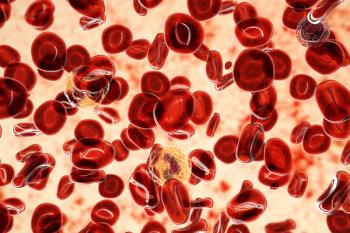
Cardiovascular risk factors increase the risk of arterial and venous thrombosis in patients with myeloproliferative neoplasms, a study found.

This week, the Center on Health Equity & Access covered artificial intelligence, diabetes clinical trials, racial disparities in cancer antigen thresholds, and more.

In part 4 of an interview with The American Journal of Managed Care®, Frederick L. Locke, MD, provides insight on the design of the ALPHA and ALPHA2 trials, which are investigating the chimeric antigen receptor T-cell therapy (CAR T) cemacabtagene ansegedleucel (cema-cel) in relapsed/refractory large B-cell lymphoma.

Despite widespread concern following the Dobbs v Jackson Women’s Health Organization decision, researchers found no significant changes nationwide in obstetrician and gynecologist (OBGYN) practice locations.

The complete response letter (CRL) specifies that the current dosage duration of aflibercept is still safe but extending the duration is not approved.

Richard Hughes IV, JD, MPH, spoke about the upcoming oral arguments to be presented to the Supreme Court regarding the Braidwood case, which would determine how preventive services are guaranteed insurance coverage.

The risk of some skin cancers, including squamous cell carcinoma, basal cell carcinoma, and non-melanoma skin cancer, was particularly heightened among patients with severe mucous membrane pemphigoid.
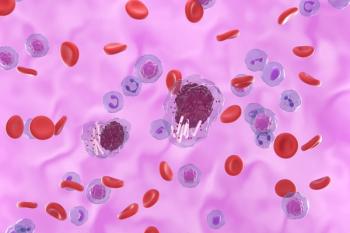
Acalabrutnib plus venetoclax, with or without obinutuzumab, improved progression-free survival (PFS) compared with chemoimmunotherapy (CIT) in patients with untreated chronic lymphocytic leukemia (CLL), meeting the phase 3 AMPLIFY study’s primary endpoint.

Multidisciplinary coordination across prescribing teams, nursing, laboratory medicine, finance, and infusion centers is crucial for gene therapy delivery in Duchenne muscular dystrophy (DMD).

Initiating chronic kidney disease (CKD) screening at age 55 yielded substantial reductions in kidney failure incidence and improvements in life expectancy across all groups.

Health care disparities are often driven by where patients live, explained Antoine Keller, MD, as he discussed the complex, systematic hurdles that influence the health of rural communities.