

The decision to go on dialysis is often automatic, but using a shared decision-making process reduces the chance that a patient will regret it later.
The decision to go on dialysis is often automatic, but using a shared decision-making process reduces the chance that a patient will regret it later.

In the first wave of the coronavirus disease 2019 pandemic, patients with axial spondyloarthritis, rheumatoid arthritis, and psoriatic arthritis didn’t have an increase in disease activity despite an interruption in in-person interactions.

Aligned with recommendations published through the Choosing Wisely Campaign, pediatric sleep studies should be performed and interpreted according to pediatric, not adult, standards.

People who experience acute kidney injuries (AKIs) in the hospital have higher rates of cardiac disease and death compared with those who have been discharged, said Benjamin Griffin, MD, a nephrologist and assistant professor of internal medicine at the University of Iowa.
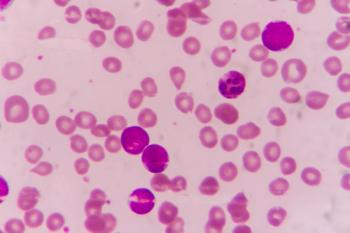
Their study outlines several treatments being investigated for the treatment of patients with myelofibrosis and other myeloproliferative neoplasms, generally after they have become resistant or intolerant to Janus kinase inhibition.

Finerenone slowed chronic kidney disease (CKD) progression by 18% and cut cardiovascular (CV) events by 14%, according to phase 3 trial results.

High incidence of kidney failure in minority groups can be attributed to faster progression of kidney function decline in these populations, said Guofen Yan, PhD, associate professor of biostatistics in the department of public health sciences at the University of Virginia School of Medicine.

While sickle cell disease is not prevalent in the general population, the significant cost associated with the condition warrants action from payers and formulary decision makers to improve patient access and align cost with their budgetary goals.

Despite the benefits of switching to a different mode of action in the second line, almost half of patients with rheumatoid arthritis were cycled to a second tumor necrosis factor inhibitor.

In her presentation, Aimee Tharaldson, PhD, senior clinical pharmacist of emerging therapeutics at Express Scripts, discussed the upcoming pipeline of specialty drug approvals and their potential impact on the market.

In the current pipeline of specialty medications seeking approval, a majority of development lies within orphan drugs and cancer medications, said Aimee Tharaldson, PharmD, of Express Scripts.

The study describes how RNA sequencing and DNA sequencing for selected genes were performed simultaneously to evaluate gene expression and alterations in order to predict tumor origin.

A new study is underscoring the importance of diagnostic testing for patients with spinal muscular atrophy (SMA) to ensure early diagnosis of the disease.

Heart failure with reduced ejection fraction (HFrEF) is when the heart’s left ventricle can only pump out 40% or less of the blood it contains, resulting in less oxygen-rich blood being disseminated to the body than it actually needs.

New findings from a small study are suggesting that time to leukemic transformation may be driven by distinct time-dependent molecular mechanisms.

The investigational drug finerenone met its primary endpoint in FIDELIO-DKD of slowing progression of chronic kidney disease (CKD) in patients with type 2 diabetes and CKD, said Rajiv Agarwal, MD, MS, FASN, a professor of medicine at Indiana University School of Medicine and a staff physician at the Veterans Affairs Medical Center in Indianapolis, Indiana.

Chimeric antigen receptor (CAR) T-cell therapy does not always lead to a durable response, and we are trying to figure out why, noted Michael R. Green, PhD, University of Texas MD Anderson Cancer Center.
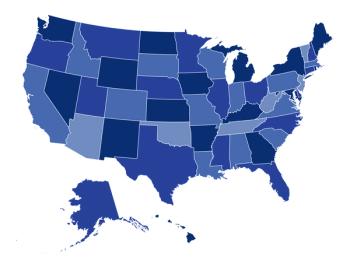
The pressure on state budgets exerted by new approvals of costly therapeutics has led many states to implement legislation aimed at regulating drug prices, but the success of these efforts is not uniform across the nation.

Michael Abrams, MA, is the co-founder and managing partner of Numerof & Associates, a firm that helps businesses across the health care sector define and implement strategies for winning in dynamic markets.

The FDA has approved Gilead’s remdesivir; presidential nominees debate health care reforms; US endorses international antiabortion declaration.
This week, the top managed care news included COVID-19 delays in breast cancer surgery; targeted therapies associated with decreased mortality risk for non–small cell lung cancer; an inside look at a patient’s perspective of early-onset Parkinson disease.

During a session at CHEST 2020, Robyn Scatena, MD, director of critical care at Norwalk Hospital, outlined 2 communication models to help break bad news in the intensive care unit (ICU).

Coverage of our peer-reviewed research and news reporting in the health care and mainstream press.

Rates of delirium for patients in the intensive care unit (ICU) have skyrocketed in the coronavirus disease 2019 (COVID-19) pandemic, said Brenda Truman Pun, DNP, RN, director of data quality, Vanderbilt Critical Illness, Brain Dysfunction, and Survivorship Center.

Experts presenting the American Society of Nephrology’s Kidney Week session entitled “From Kids to Adults: Chronic Kidney Disease-Mineral and Bone Disorder (CKD-MBD) Across the Life Course,” outlined the detrimental effects of childhood CKD and other kidney diseases on long-term health.

Americans not covered by Medicaid should be aware of 2 key factors: the use of copay accumulators in commercial health plans and management of emerging high-cost specialty prescription drugs.

It is still unclear why patients who should respond to anti–interleukin-5 therapies do not, noted Anne Reihman, MD, Division of Pulmonary Sciences and Critical Care Medicine, University of Colorado.

A collaborative effort between the health system and health plan pharmacists, as well as care managers and prescribers is key to improving clinical, quality outcomes in value-based payment models.

Dual-eligible Special Needs Plans are at highest risk with newest CMS changes.

In a session focused on sodium-glucose cotransporter 2 (SGLT2) inhibitors presented at the American Society of Nephrology’s (ASN) Kidney Week, experts highlighted the benefits of using this drug class in patients with kidney disease and outlined future steps for integration of care.