

Compared with placebo, low-dose atropine (0.01%) eyedrops may slow myopia (nearsightedness) progression and axial elongation in Chinese children with low and moderate myopia.
Compared with placebo, low-dose atropine (0.01%) eyedrops may slow myopia (nearsightedness) progression and axial elongation in Chinese children with low and moderate myopia.

Patients who received anti-inflammasome nucleoside reverse-transcriptase inhibitors (NRTIs)—drugs approved to treat HIV-1 and hepatitis B infections—exhibited a 33% reduced risk of developing type 2 diabetes (T2D), according to a meta-analysis published in Nature Communications.

As the pandemic contributed to a significant decrease in the use of health care services in 2020, an analysis finds that employer health care benefit costs will likely increase in 2021 to address this deferral in care.

There is a synthetic lethality between sacituzumab govitecan and a PARP inhibitor, noted Aditya Bardia, MBBS, MPH, breast medical oncologist, Massachusetts General Hospital, Harvard Medical School.

A novel antipsychotic therapy is cleared by FDA panel; CDC warns of urgent need to address the spread of coronavirus disease 2019 (COVID-19) in young adults; contaminated tap water in wildfire-ravaged areas.

Temporarily halting a trial to evaluate a vaccine means we are following the rules of safety, noted Maura Abbott, PhD, AOCNP, CPNP, RN, assistant professor of nursing at the Columbia University School of Nursing.

Distance caregivers have unique needs, explained Sara L. Douglas, PhD, RN, the Gertrude Perkins Oliva Professor in Oncology Nursing, associate dean for research, the Frances Payne Bolton School of Nursing, Case Western Reserve University.

Every week, The American Journal of Managed Care® recaps the top managed care news of the week, and you can now listen to it on our podcast, Managed Care Cast.

While researchers found short periods of acute exercise did not significantly increase circulating concentrations of fibrinogen and C-reactive protein in patients with COPD, they did observe increases in total leukocyte and blood neutrophil counts.
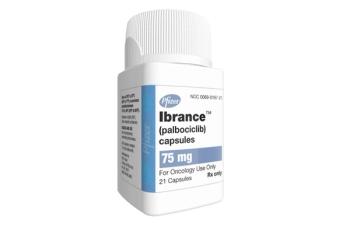
Natera’s Signatera ctDNA test will determine study eligibility and treatment effectiveness in HR-positive, HER2-negative breast cancer patients.
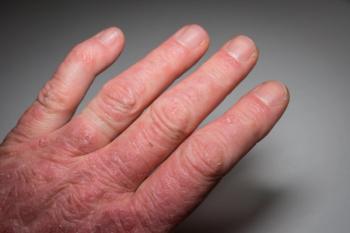
New research may have identified the trigger that activates psoriatic arthritis in patients, according to a study published in Nature Communications.
The recent focus on disparities in health care comes through in the call to action.

The Trump administration signed a $486 million agreement with AstraZeneca to develop a coronavirus disease 2019 (COVID-19) antibody treatment.

Patients with type 2-high asthma who were being treated with high-dose inhaled corticosteroids (ICS) had reduced exacerbations and improved lung function when they were switched to dupilumab.

Researchers identified 3 groups with distinctive patterns of overall survival (OS), among which they determined additional prognostic value in patients with <5% bone marrow blasts.

At the 1-year mark, following their first myocardial infarction (MI, or heart attack), heart failure hospitalizations and all-cause mortality were higher among patients who also had cardiogenic shock vs those who did not.

The researchers, from a medical genetics firm, said the findings illustrate the usefulness of germline analysis for the right patient.

A recent study about the impact of spinal muscular atrophy (SMA) on patients and caregivers may help to illustrate the impact of future improvements as new therapies take hold, but more targeted SMA quality-of life-outcome measures may be needed to fully the changes.

Family premiums for employer-sponsored health insurance rose 4% over the past year, averaging $21,342, according to Kaiser Family Foundation (KFF) study findings, with workers contributing $5588 in out-of-pocket costs.

Coverage of our peer-reviewed research and news reporting in the health care and mainstream press.

The White House physician allows the president to attend public events starting Saturday; study details long-term coronavirus disease 2019 symptoms in pregnant women; new poll shows record low approval of the pandemic response.

This week, the top managed care news included President Donald Trump’s discharge from the hospital; a poll finds Americans trust Joe Biden to lead the US health care system; Nobel Prize awarded to scientists who discovered the hepatitis C virus.

Older individuals need medications that focus on effects inside the nervous system, explained John Corboy, MD, of University of Colorado Denver, School of Medicine, and Rocky Mountain MS Center at Anschutz Medical Campus.

Depression affects up to 17% of patients with rheumatoid arthritis, but not all patients are assessed for their mental well-being.
CPAP treatment administered at night was found to lower daytime resting heart rates and reduce the risk of cardiovascular disease (CVD) in patients with prediabetes who have obstructive sleep apnea (OSA).

Antiretroviral therapy (ART) adherence and quality of life were negatively correlated with the occurrence of major depressive disorder in people living with HIV or AIDS.

Just 24.7% of elderly patients with chronic obstructive pulmonary disease (COPD) included in the study demonstrated correct usage of their inhaler.

As employers seek to gain a pulse of what the health care benefit cost trend will be for the coming year, the Business Group on Health will be monitoring several factors, including the impact of the pandemic, efficacy of virtual care, and deferral in care delivery.

Researchers found the nucleocapsid protein (NP) antigen of SARS-CoV-2, the virus which causes coronavirus disease 2019 (COVID-19), existed intracellularly in the ocular tissues of a patient who previously had COVID-19.
An editorial criticizes the administration’s response to coronavirus disease 2019 (COVID-19); the National Cancer Institute announces an antibody testing network; 39 states see rises in COVID-19 cases.