

Sandra Chaparro, MD, makes the case for SGLT2 inhibitors across a broad spectrum of chronic kidney disease, even in patients without diabetes.
Sandra Chaparro, MD, makes the case for SGLT2 inhibitors across a broad spectrum of chronic kidney disease, even in patients without diabetes.

Alopecia areata shapes how people work, learn, and see themselves, a new occupational review finds, with barriers reaching far beyond hair loss.

Rural America has 44% fewer health care workers per capita than urban areas, with psychologists and physicians hit hardest.

New ADA 2026 data show diabetic ketoacidosis hospitalizations rising 24%, driven by poor ketone monitoring and symptom recognition gaps across all ages.
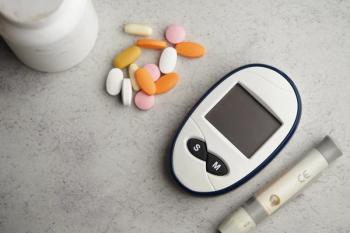
Orforglipron added to titrated insulin glargine reduced HbA1c at 40 weeks while producing clinically meaningful weight reductions.

Despite increases in influenza vaccine rates before the pandemic in the Bronx, rates have decreased between 2020 and 2023.
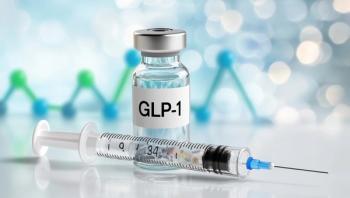
GLP-1 medications in psoriasis show skin and inflammation gains beyond weight loss; early data in psoriatic arthritis lag as trials ramp up.

The dual glucagon/GLP-1 receptor agonist is also being studied in the SYNCHRONIZE-2, SYNCHRONIZE-CVOT, LIVERAGE, and LIVERAGE-Cirrhosis trials.

By controlling for ovarian suppression, OPTIMA shows Prosigna works equally well in pre and postmenopausal high-risk early breast cancer.

A total of 2288 cases of measles were confirmed in the US for the full year of 2025, suggesting that the cases are set to double in 2026.

Learn how payer fee schedules impact practices, curb administrative costs in healthcare, and boost revenue with audits, tech, and smarter contracts.

Four experts examine what updated dietary and obesity guidelines mean for diabetes care, and why personalized, equitable nutrition is now essential.

Diet quality, carbohydrate quantity, and macronutrient composition may influence gestational glycemia, with consequences well into the postpartum period.

Two new studies reveal how social determinants shape cognitive risk in prediabetes and type 2 diabetes, complicating the path to prevention.

AI tools for carbohydrate estimation and clinical decision support are reshaping how diabetes is managed, but human oversight remains essential.

Data alone can’t cut health care costs. Pairing predictive analytics with nurse-led care management drives true patient engagement.

Covering delgocitinib for chronic hand eczema could save a 1M-member plan $88M over 3 years, driven by lower drug costs than off-label therapies.

Phase 3 SUNRISE data show tezepelumab reduced oral corticosteroid use while maintaining asthma control in severe asthma.
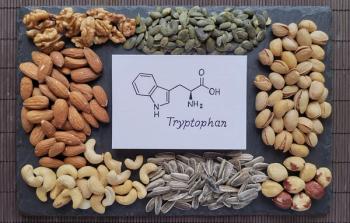
Psoriasis may share a tryptophan-driven metabolic pathway behind depression, arthritis, and metabolic syndrome.

Invited commentaries on the CORAL trial praise nalbuphine's potential in IPF cough while raising questions about safety and durability.

The 2026 EHA Congress, convening in Stockholm next week, will bring the global hematology community together for 4 days of science, debate, and discovery.

New review guides hair loss care for transgender and gender-diverse patients, detailing how androgenic alopecia interacts with hormones and key therapies.

CLL’s intrinsic immune dysfunction spans humoral, cellular, and innate defects, persisting even with targeted therapy.

Cancer trauma, drug pricing claims, abortion cost gaps, insurance denials affecting 1 in 5, and food insecurity's economic toll top this week's roundup.
OPTIMA trial data show genomic testing helps many patients with high‑risk breast cancer skip chemotherapy safely and start endocrine therapy sooner.

FDA decisions in May 2026 included 5 major oncology approvals, including first-in-class therapies for breast cancer, AML, MCL, and NMIBC.

Late-breaker data from EASL Congress 2026 mark a pivotal moment in chronic hepatitis B research.

Coverage of our peer-reviewed research and news reporting in the health care and mainstream press.

Three-year trial data show baricitinib sustains and deepens hair, eyebrow, and eyelash regrowth in severe alopecia areata, with stable long-term safety.

Chronic inflammation, hormonal imbalance, and surgical management all deplete ovarian reserve in endometriosis patients, a new systematic review finds.