

Aligning financial incentives with patient-centered care is becoming an increasingly complex path to navigate within oncology.
Aligning financial incentives with patient-centered care is becoming an increasingly complex path to navigate within oncology.

Phase 3 trials found oveporexton improved wakefulness, sleepiness, and cataplexy in narcolepsy type 1, with insomnia and urinary frequency common.

The triple agonist also lowered HbA1C by up to 1.6% over 80 weeks, with up to 40% of participants reaching normal levels.

A network meta-analysis found vibegron outperformed mirabegron and tolterodine on several OAB efficacy measures but had higher odds of adverse events.

A US modeling study found tirzepatide and semaglutide cost-effective for MASH, while resmetirom exceeded the $100,000/QALY threshold.

Panelists say drug price negotiation, Medicaid changes, prior authorization, and 340B reform strain community oncology.

Symptom-tracking tools may improve awareness and patient-clinician communication but can also add stress.

Payers cover novel cancer drugs but not the staffing, training, and monitoring to deliver them, leaving practices to absorb costs.

The 2026 COA Payer Exchange and Innovation Summit began with a panel on AI and the ever-changing digital infrastructure in community oncology.

Expert panel discussions covered AI and community access, chronic lymphocytic leukemia, myeloma, and breast and lung cancers.

Longer undetectable hepatitis D RNA on bulevirtide predicts durable suppression off therapy, but rebound and ALT flares rise, especially in cirrhosis.

Experts tackled CAR T access, trial equity, and overtreatment in breast cancer at an AJMC Institute for Value-Based Medicine event in San Francisco.

Systematic review finds combined immunonutrition (arginine, omega-3s, glutamine) in colorectal cancer surgery may cut surgical site infections, while single supplements show no benefit.

The analysis found a nonlinear association between systemic inflammation and overactive bladder, with stronger links at higher inflammation levels.

A real-world study found that adding a GLP-1 to SGLT2 inhibitor therapy was associated with lower kidney, cardiovascular, and mortality risks in CKD.

The NPS index, ranging from –100 to +100, serves as a proxy for customers’ willingness to recommend products and services they themselves have used.

North Carolina experts discussed CLL, breast cancer, and myeloma treatments and how to expand access to complex cancer care beyond academic centers.

The IRA's Medicare out-of-pocket cap is easing costs for patients with cancer, but community oncology leaders warn price cuts are straining practices.

A survivor shares axi-cel therapy highs, experiences with severe CRS and neurotoxicity, and why access to care and clinical trials improves QOL.

Biomarker testing, referrals, screening, treatment access, and clinical trial barriers were examined during this recent IVBM.

Oncologists say advances in testing and treatment are outpacing staffing, pay, and access.

Home NB-UVB phototherapy matches office results, boosts psoriasis treatment adherence, and may improve access, but long-term safety, equity, and oversight lag.

Upper-extremity synovial sarcoma required more staged surgery, while lower-extremity disease carried more complications and metastases.

In the US alone, 1.1 million individuals are living with the progressive neurodegenerative movement disorder, and 90,000 are diagnosed each year.

Baricitinib is now FDA approved for adolescents 12 and older with severe alopecia areata, extending the once-daily pill beyond adults.

A new type of eye drug matched standard anti-VEGF therapy in a large trial for diabetic macular edema, a disease affecting 1.6 million Americans.

Portuguese patch testing finds many chronic hand eczema cases link to allergic contact dermatitis—especially occupational exposures like methylisothiazolinone, HEMA acrylates, thiuram mix, nickel.

Two posters report 3.9% first-year GLP-1 discontinuation and a 5-day median time to first fill under pharmacist-led care.
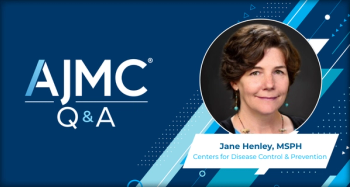
CDC's Jane Henley, MSPH, explains what's behind falling lung cancer deaths and why 4 in 5 eligible adults still aren't getting screened.

The regulatory decisions reflect how advances in biomarkers and molecular medicine are reshaping both diagnosis and treatment.