

All News
Advertisement

Medicare FFS beneficiaries with metastatic cancer received broad genomic profiling more often than MA patients.
Advertisement

The Ugandan MInistry of Health closed their border with the DRC in response to the rise in Bundibugyo cases and deaths.

Data from the STEPIn trial shows early intervention for plaque psoriasis with secukinumab delivers durable disease control, with some staying clear up to a year post treatment.

The American Thoracic Society 2026 International Conference included sessions that focused on topics such as pulmonary rehabilitation and global disparities in thoracic care.

A turbulent regulatory environment is forcing covered entities to rethink how they manage 340B compliance.
Advertisement

MorningSun Data Show Sub-Q Mosunetuzumab Improves QOL for Oldest Patients With DLBCL
Published: | Updated:
ASCO highlights MorningSun results: subcutaneous mosunetuzumab offers a chemotherapy-free option for elderly patients with DLBCL, improving quality of life beyond R-CHOP.
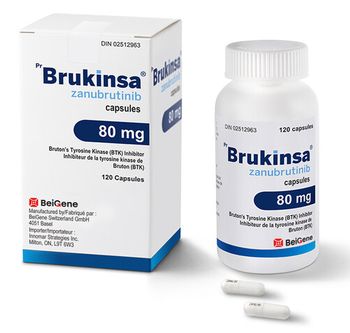
Analyses to be presented at ASCO show zanubrutinib offers improved survival benefits and longer time to the next treatment over another BTK inhibitor in 2 common indications.

Claims data linked eviction protection rollbacks to higher psychotropic prescription and SMI visits, revealing housing security’s mental health toll.

Psoriasis and macrophage research spotlights M1/M2 imbalance, interleukin therapies, and single-cell insights pointing to new precision targets.
Advertisement

New evidence links alopecia areata and atopic dermatitis overlap, revealing eczema-like immune signatures and dual-use JAK/OX40 therapies to watch.

Private equity reshapes care—new evidence links staffing cuts to patient safety risks; ACP urges regulatory oversight to defend clinical autonomy.

Photodynamic therapy expands from actinic keratosis to acne, infections, and rejuvenation—while experts urge clearer, mechanism-based guidelines.

This new analysis highlights zanubrutinib’s survival benefits and lower cardiac toxicity in chronic lymphocytic leukemia.

Ontada Research Shows Relationship Between NCCN Distress Thermometer Scores and OS in Common Cancers
Ontada research presented at ISPOR 2026 shows the NCCN Distress Thermometer can predict overall survival in metastatic cancers, but the relationship varies by cancer type.

Insured patients paying over $15 in generic drug co-pays may save more buying direct through a direct-to-consumer pharmacy like Cost Plus Drugs

Simple FNI labs pinpoint high‑mortality MASLD fibrosis in type 2 diabetes, challenging FIB‑4 and sharpening MASH liver disease screening.

US health care faces massive shifts: rising ACA deductibles, federal health leadership shakeups, and major care gaps in women's health and dermatology.

A new training framework operationalizes brachytherapy competencies for soft tissue sarcoma, covering implant geometry, CT planning, dose optimization, toxicity management, and radiation safety.

New review details biologic, psychosocial, and treatment barriers shaping outcomes in AYA acute lymphoblastic leukemia (ALL).

Endometriosis is often mistaken for IBS, fibroids, UTIs, PID, and ovarian cysts, potentially delaying diagnosis, treatment, and fertility care for years.

The FDA approves Datroway for first-line metastatic triple-negative breast cancer in immunotherapy-ineligible patients.

Coverage of our peer-reviewed research and news reporting in the health care and mainstream press.

Three hospital systems claim CVS Health secretly pocketed 340B savings meant for indigent care.

A growing body of heart failure evidence highlights the role of metabolic therapies, precision phenotyping, and next-generation mineralocorticoid receptor antagonists.

Eli Lilly's triple agonist achieved 28.3% weight loss at 80 weeks and 30.3% at 104 weeks, matching bariatric surgery levels.

New scientific statement argues that heart failure with mildly reduced ejection fraction should no longer be treated as a “gray zone.”

The Trump administration fired USPSTF leaders, sparking concerns over the future of ACA-mandated free medical screenings and preventive care.

A prospective registry study suggests cardiac MRI scar burden and biomarkers may refine prognostic assessment beyond current sudden cardiac death models.

Chronic hand eczema care is marked by high costs, fragmented treatment, and a clinical overreliance on steroids.
Advertisement
Advertisement
Trending on AJMC
1
Preparing Practices for the Next Era of Hepatitis B Care
2
Lung Cancer Screening Lags for People With HIV as Eligibility Triples
3
VYD2311 Shows Superior Safety vs mRNA COVID-19 Vaccine
4
Pharmacists Bridge the Vaccine Trust Gap as COVID-19 Persists
5