

Most patients with chronic thromboembolic pulmonary hypertension (CTEPH) said they can go about their daily activities without restriction, the authors found, because of gains in functional status and quality of life (QOL).
Most patients with chronic thromboembolic pulmonary hypertension (CTEPH) said they can go about their daily activities without restriction, the authors found, because of gains in functional status and quality of life (QOL).
A review of cases involving Jehovah’s Witnesses found many modalities can be successfully deployed to treat thrombotic thrombocytopenic purpura (TTP).

This combination is among the many cancer vaccine collaborations being pursued.

Vaccines were safe in transplant recipients, but their efficacy was affected by immunosuppressive therapies.

More information is needed to better understand variations in how the drug affects individual patients.

Attendees at the Society for Healthcare Epidemiology of America (SHEA) 2023 Spring Conference heard presentations about using electronic health records to identify cases of Clostridioides difficile earlier, as well as an update about infection control strategies.

Immunotherapies are an important breakthrough in cancer treatment, but little is known about which practices adopt the therapy or the pace at which they do so.

The April 2 plenary session at the National Comprehensive Cancer Network (NCCN) 2023 Annual Conference, entitled, “Sleep Disorders, Fatigue, and Cognitive Function in Cancer Survivors" reviewed guidelines for handling symptoms that are increasingly common as the survivorship ranks grow.

The current study, which showed that cannabidiol (CBD) blocked signals carried by the molecule lysophosphatidylinositol in neurons, offers new insights into these mechanisms.

Researchers collected physical function measures and blood samples from 24 patients enrolled in a 16-week trial of at-home aerobic and/or resistance exercise.

The review aimed to characterize the impacts of clinical response, delayed disease progression, and lines of therapy on health-related quality of life (HRQOL) for patients with multiple myeloma.
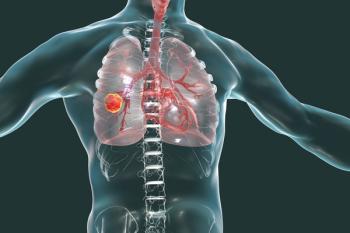
A post-hoc analysis of the EMPOWER-Lung 1 and 3 studies demonstrates long-term survival and responses for patients with locally advanced non–small-cell lung cancer (NSCLC) treated with cemiplimab.

Although new guidelines from the CDC say that masks need not be worn in counties where transmission level for COVID-19 isn’t high, many health systems still plan to mask.

Investigators compared outcomes for severe mental illness between patients with both chronic skin conditions and healthy controls, using data from the UK Clinical Practice Research Datalink GOLD.

A study from the United Kingdom observed that the processes that contribute to obstructive sleep apnea might contribute to early cognitive decline in otherwise healthy individuals.

Physicians may be able to better identify patients with chronic cough using the combination of 2 coughing tests.

According to interim results from the REPRIEVE study, individuals with HIV who took the daily statin experienced a 35% reduced risk of major adverse cardiovascular (CVD) events, compared with those who received a placebo.

The study also found lasting benefits of the supplement for bone density up to age 4.

Estimated rates of lung cancer screening with low-dose CT were extremely low among eligible patients across insurance types in 2017, with rates varying between patient demographics.

Researchers also found correlations between contrast sensitivity function and age, HbA1c, and type 1 diabetes (T1D) duration under different lighting conditions.

Governor Ron DeSantis signs 6-week abortion ban in Florida; Juul will pay Washington, DC, over $15 million as part of a settlement alleging the company marketed its products to teens; death counts attributed to malnutrition more than doubled from 2018 through 2022, with most deaths occurring to Californians 85 and older in 2022.

Coverage of our peer-reviewed research and news reporting in the health care and mainstream press.

Because biologics are used to treat both conditions, researchers hypothesized they may be helpful to prevent psoriatic arthritis (PsA).

Recommendations are lacking on strength exercise intensity, tolerability, and adverse effects for patients with severe forms of hemophilia.

At present, there are no approved therapies for pre–heart failure with preserved ejection fraction (pre-HFpEF); instead, cardiovascular risk factor management is often utilized in this patient population.
Judges reverted steps to make abortion pill mifepristone more accessible, but it is still available; Cigna Group will be offering an option for members that allows more visibility into manufacturer drug pricing and discounts; new research on Parkinson disease could lead to new diagnostics and treatments.

James F. Howard, Jr, MD, professor of neurology at the University of North Carolina at Chapel Hill, explains the antibody subtypes associated with this rare neuromuscular disease.

Chimeric antigen receptor (CAR) T-cell therapies have shown efficacy and safety for relapsed or refractory diffuse large B-cell lymphoma (DLBCL), but barriers to referral may obstruct patient access to them.

Long-term temporal and spatial trends, as well as changes, can be estimated using hospital admission data when the burden on health care systems is increased.

A test using a single spot of dried blood successfully detected HIV, hepatitis B, and hepatitis C in all 60 samples with known amounts of each virus.