
The top 5 most-read articles about chronic kidney disease (CKD) focused on finerenone benefits, anticoagulants, dementia association, and more.
The top 5 most-read articles about chronic kidney disease (CKD) focused on finerenone benefits, anticoagulants, dementia association, and more.
The top 5 most-read articles on lupus of 2022 included the role of B cells in systemic lupus erythematosus (SLE), the diagnostic journey of women with SLE, future therapies for cutaneous lupus erythematosus (CLE), and more.

This year’s most-read articles on atopic dermatitis (AD) examined AD as a risk factor for other neurological and attention-deficit conditions and efforts to improve the detection of other comorbid conditions associated with the common skin condition.
This year’s most-read type 1 diabetes (T1D) articles highlighted important trends, breakthrough technologies, and more major findings for patients with T1D.
This year’s most-popular content on psoriasis include research regarding disparities and socioeconomic factors that impact psoriasis treatment and an interview on shared decision making.
The top 5 most-read articles for infectious disease in 2022 explored preventive efforts and therapeutic innovations against Clostridioides difficile infections, as well as federal action on the COVID-19 pandemic.

The findings, which the researchers say highlight the importance of early diagnosis and initiation of treatment, come amid efforts to determine efficacy trends among the several treatment options for the condition.
The most-viewed at-home assessment content of the year focused on addressing social determinants of health, identifying unmet needs in Medicare, and future developments in home health.
In 2022, the articles published in the peer-reviewed The American Journal of Managed Care® (AJMC®) explored care management interventions, savings from biosimilars, and much more.
The most-read content in sleep this year included articles on narcolepsy, continuous positive airway pressure adherence, and new drugs approved for insomnia, among other stories.

The relationship between aging and molecular profiles in myelodysplastic syndromes (MDS) is not well understood, but the findings suggest that different genetic alterations have distinct prognostic implications in different age groups.

The biomarker potential of Charcot-Leyden crystals in nasal tissue was investigated over 2 years in 110 patients with diagnosed chronic rhinosinusitis with nasal polyps (CRSwNP).

A specific genetic variant of SCN1A may be associated with earlier-onset epilepsy.
In 2022, the most-read articles published in Evidence-Based Oncology™ included the latest updates in cancer treatments, the promises and challenges of technology, and a look at the shifting landscape of care delivery.
This year’s most read articles on respiratory cover topics on long-term health effects of COVID-19, adolescent vaping, and more.
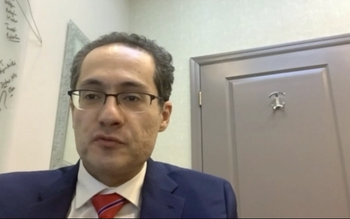
M. Hossein Kazemi, MD, medical oncologist and hematologist, Astera Cancer Care, discusses emerging tools to use to identify patients with multiple myeloma for de-escalating treatment.
The top 5 most-read articles on major depressive disorder (MDD) in 2022 discussed US treatment updates, drug assistance in talk therapy, further exploration of transcranial magnetic stimulation’s capabilities, and screening improvements and outcomes.
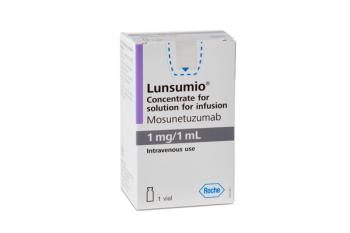
The approval makes mosunetuzumab the first in its class approved to treat follicular lymphoma and comes shortly after data from a phase 2 trial was presented at the annual meeting of the American Society of Hematology.
Patrick Reville, MD, MPH, instructor, Department of Leukemia, MD Anderson Cancer Center, elaborates on how certain patients responded to the updated treatment regimen.
The most-read spinal muscular atrophy (SMA) articles of the year touched on novel SMN1 gene detection, treatment advances, and the diagnostic difficulty encountered by some adult patients with SMA.

Kidney Week 2022 focused on effectiveness of treatment for chronic kidney disease, health misinformation, and outcomes in chronic kidney disease, among other topics.
The most-read articles related to our Strategic Alliance Partnership (SAP) program focused on behavioral health, oncology care, and partner news.

The findings, say the researchers, confirm that repeated intrathecal injections of the gene-targeting therapy are safe, adding to the limited data on the long-term effect and safety of the treatment approach in neurological diseases.
The most-read rare disease articles of the year included the topics of new pediatric central nervous system tumor guidelines, graft versus host disease, the contribution of gene variants to pediatric neuropsychiatric conditions, and hope for patients with blast-phase chronic myeloid leukemia.
The most-read hemophilia articles of the year highlighted new drug developments for hemophilia, the impact of carrier status, and opportunities for better patient education.
BRAF mutations were addressed in depth this year, having been mentioned in 3 of this year’s top 5 articles. Also discussed were a first-in-its-class combination treatment approval and potential indicators of increased skin cancer risk.
This year’s most-read articles on asthma spotlighted the first generic metered dose inhaler approved by the FDA, the effectiveness of exercise interventions, and more.
The 2022 European Hematology Association (EHA22) Congress convened June 9-12, 2022, in Vienna, Austria, and presented cutting-edge findings in hematology, including the potential of artificial intelligence, new treatment combinations in myelofibrosis, and more.

The combined resources of CareOregon and SCAN Group’s health plan and care delivery subsidiaries, operating under the HealthRight umbrella, will have revenues of $6.8 billion and will serve nearly 800,000 health plan members.
The most-read rare blood articles included studies on cold agglutinin disease , hemophilia B gene therapy, autoimmune hemolytic anemia, and hereditary thrombotic thrombocytopenia purpura.