From ASH 2024 to Practice: Implementing Bispecific Therapies in B-Cell Lymphomas
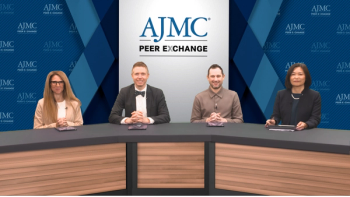
EP. 1: ASH 2024 Updates on Bispecific Therapies in B-Cell Lymphomas
ByRyan Haumschild, PharmD, MS, MBA, CPEL,John Allan, MD,Tara Graff, MD,Melody Chang, RPh, MBA, BCOP Panelists discuss how exciting new data from ASH 2024 on bispecific therapies for B-cell lymphomas, including epcoritamab in diffuse large B-cell lymphoma, mosunetuzumab in follicular lymphoma, and odronextamab are shaping treatment algorithms by providing long-term follow-up data that could influence therapeutic strategies and patient management.
EP. 2: Emerging Data for Odronextamab in DLBCL
ByRyan Haumschild, PharmD, MS, MBA, CPEL,John Allan, MD,Tara Graff, MD,Melody Chang, RPh, MBA, BCOP Panelists discuss how emerging data on odronextamab in diffuse large B-cell lymphoma suggest its potential to play a significant role in therapy, with promising results that may position it alongside or as a superior option compared with currently approved bispecifics.
EP. 3: Sequencing Consequences for Earlier Line Use of Bispecifics in B-Cell Lymphomas
ByRyan Haumschild, PharmD, MS, MBA, CPEL,John Allan, MD,Tara Graff, MD,Melody Chang, RPh, MBA, BCOP Panelists discuss how the sequencing of bispecific therapies in first-line vs later-line settings should be guided by factors such as disease stage, prior treatments, and patient-specific characteristics to optimize therapeutic outcomes.
EP. 4: Exploring Bispecifics in Earlier Lines of Therapy for B-Cell Lymphomas
ByRyan Haumschild, PharmD, MS, MBA, CPEL,John Allan, MD,Tara Graff, MD,Melody Chang, RPh, MBA, BCOP Panelists discuss how several studies evaluating bispecific therapies in earlier lines of therapy for diffuse large B-cell lymphoma and follicular lymphoma suggest that patients with high-risk or relapsed/refractory disease are most likely to benefit from these treatments.
EP. 5: ASH 2024 Highlights: Bispecifics in Combination Therapies for B-Cell Lymphomas
ByRyan Haumschild, PharmD, MS, MBA, CPEL,John Allan, MD,Tara Graff, MD,Melody Chang, RPh, MBA, BCOP Panelists discuss key factors in deciding between monotherapy and combination approaches for bispecific therapies in follicular lymphoma (FL) and diffuse large B-cell lymphoma (DLBCL) as well as the potential for combination therapies to be more viable in certain B-cell lymphoma subtypes.
EP. 6: MAIC Analyses and Bispecific Therapies: Guiding Treatment Decisions in B-Cell Lymphomas
ByRyan Haumschild, PharmD, MS, MBA, CPEL,John Allan, MD,Tara Graff, MD,Melody Chang, RPh, MBA, BCOP Panelists discuss how comparative data from matching-adjusted indirect comparison (MAIC) analyses guide treatment decisions between bispecific therapies and the insights from MAIC results comparing epcoritamab and glofitamab that may influence therapy selection.
EP. 7: Understanding CRS and ICANS: Real-World Incidence and Key Patient Risk Factors
ByRyan Haumschild, PharmD, MS, MBA, CPEL,John Allan, MD,Tara Graff, MD,Melody Chang, RPh, MBA, BCOP Panelists discuss how real-world data on the incidence of cytokine release syndrome (CRS) and immune effector cell–associated neurotoxicity syndrome (ICANS) compare with clinical trial findings as well as the most critical patient-related risk factors for developing these toxicities.
EP. 8: Key Strategies for Preventing CRS and ICANS
ByRyan Haumschild, PharmD, MS, MBA, CPEL,John Allan, MD,Tara Graff, MD,Melody Chang, RPh, MBA, BCOP Panelists discuss key strategies for preventing cytokine release syndrome (CRS) and immune effector cell–associated neurotoxicity syndrome (ICANS) in patients receiving bispecific therapies for B-cell lymphomas.
EP. 9: Step-Up Dosing Protocols and Infection Prevention Strategies for Bispecifics in B-Cell Lymphomas
ByRyan Haumschild, PharmD, MS, MBA, CPEL,John Allan, MD,Tara Graff, MD,Melody Chang, RPh, MBA, BCOP Panelists discuss how step-up dosing protocols reduce cytokine release syndrome (CRS) risk in patients with high-risk disease and when modifications might be necessary as well as the incorporation of infection prevention strategies, including prophylactic antimicrobials, into management plans.
EP. 10: Overcoming Logistical Hurdles in Bispecific Therapy Implementation
ByRyan Haumschild, PharmD, MS, MBA, CPEL,John Allan, MD,Tara Graff, MD,Melody Chang, RPh, MBA, BCOP Panelists discuss the most common logistical challenges encountered when implementing bispecific therapies in both academic and community settings.
EP. 11: Successful Implementation of Bispecific Therapies: Expert Recommendations
ByRyan Haumschild, PharmD, MS, MBA, CPEL,John Allan, MD,Tara Graff, MD,Melody Chang, RPh, MBA, BCOP Panelists discuss best practices for successfully implementing a bispecifics program and overcoming logistical challenges.
EP. 12: Benefits of Implementing Bispecific Therapies in the Community
ByRyan Haumschild, PharmD, MS, MBA, CPEL,John Allan, MD,Tara Graff, MD,Melody Chang, RPh, MBA, BCOP Panelists discuss the benefits of implementing bispecific therapy programs in the community setting as well as factors influencing the decision to administer these agents at an academic center vs a community setting.
EP. 13: Bridging the Gap: Enhancing Communication on Bispecifics Between Academic and Community Centers
ByRyan Haumschild, PharmD, MS, MBA, CPEL,John Allan, MD,Tara Graff, MD,Melody Chang, RPh, MBA, BCOP Panelists discuss key gaps in communication between academic and community centers regarding the use of bispecifics and strategies to bridge them as well as best practices for ensuring a smooth transition of care when patients move between settings.
EP. 14: Final Thoughts on Bispecifics in B-Cell Lymphomas From ASH 2024
ByRyan Haumschild, PharmD, MS, MBA, CPEL,John Allan, MD,Tara Graff, MD,Melody Chang, RPh, MBA, BCOP Panelists share their final thoughts on bispecific therapies in B-cell lymphomas based on insights from the 66th American Society of Hematology (ASH) Annual Meeting and Exposition 2024.
