
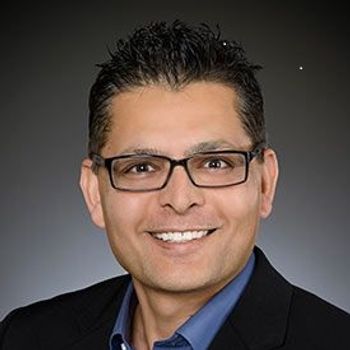
The editor in chief of Evidence-Based Oncology, who was recently named medical director of Precision Medicine for The US Oncology Network, discussed milestones met and those still to be achieved.
The editor in chief of Evidence-Based Oncology, who was recently named medical director of Precision Medicine for The US Oncology Network, discussed milestones met and those still to be achieved.

The article explores the use of dose-intensive IV iron replacement to achieve long-term hemoglobin stability in patients with moderate to severe HHT-related bleeding. The approach recognizes what the author calls "the relentless and recurrent nature of HHT-associated bleeding," and may help patients achieve better quality of life.

As AI proliferates, patients, caregivers, and others outside the medical world are using its tools to deal with cancer, but not always in obvious ways.

Aligning financial incentives with patient-centered care is becoming an increasingly complex path to navigate within oncology.

Expert panel discussions covered AI and community access, chronic lymphocytic leukemia, myeloma, and breast and lung cancers.

Experts tackled CAR T access, trial equity, and overtreatment in breast cancer at an AJMC Institute for Value-Based Medicine event in San Francisco.
The Community Oncology Alliance is the only national organization focused exclusively on community oncology; it advocates for independent practices where most Americans with cancer receive treatment.
FACT Accreditation lets Tennessee Oncology bring community oncology CAR T-cell therapy closer to home, expanding access for non-Hodgkin lymphoma patients.
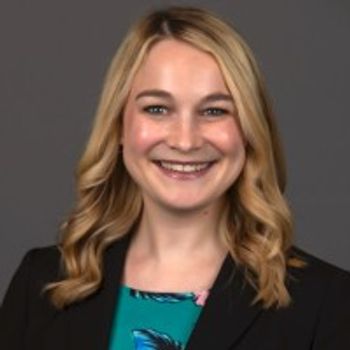
Tennessee Oncology appoints Kate Baker as medical director of supportive cancer care services, to expand services boosting symptom relief, survivorship resources, and whole-person support.

North Carolina experts discussed CLL, breast cancer, and myeloma treatments and how to expand access to complex cancer care beyond academic centers.

Biomarker testing, referrals, screening, treatment access, and clinical trial barriers were examined during this recent IVBM.

Oncologists say advances in testing and treatment are outpacing staffing, pay, and access.
At a Stakeholder Interchange convened by The American Journal of Managed Care® in Tampa, Florida, an academic-community mix of hematologist-oncologists and pharmacists debated prior authorization, site-of-care payment disparities, and how aggressively to push bispecific antibody regimens to community practices treating patients with relapsed/refractory multiple myeloma.
In an AJMC stakeholder interchange, moderator Sandra Susanibar-Adaniya, MD, MS, of Penn Medicine, led academic and community clinicians through the operational, safety, and reimbursement challenges of moving teclistamab-and talquetamab-based regimens into earlier lines of relapsed/refractory multiple myeloma and into outpatient, community-based care.

At a Stakeholder Interchange convened by The American Journal of Managed Care® in Houston, Texas, oncologists and pharmacists from academic and community practices debated how teclistamab- and talquetamab-based regimens stack up against CAR T-cell therapy in second-line multiple myeloma, and what it will take—staffing, caregiver support, hospital partnerships, and payer buy-in—to move step-up dosing out of the hospital and into the clinic.
Community oncology leaders urge 340B overhaul so drug discounts follow vulnerable cancer patients, with audits, transparency, and tighter contract-pharmacy rules. This commentary will be featured on the Cover of the October issue of Evidence-Based Oncology.