



Patients with atopic dermatitis were shown to be more likely to receive a COVID-19 diagnosis than the general population.

Patients with atopic dermatitis were shown to be more likely to receive a COVID-19 diagnosis than the general population.

The Great Resignation is sending health care workers out of the industry in massive numbers, and this, coupled with the ongoing transformation of health care, is creating the perfect storm. Alleviating their stress, burnout, and disengagement is a necessary first step. But the proper development, training, and upskilling is also crucial.

Patients with psoriasis exhibited superior efficacy outcomes when treated with ultraviolet (UV)-based phototherapy plus other adjuvant therapies vs UV monotherapy, with similar safety profiles shown for both approaches.

In a National Coverage Determination decision memo released Tuesday, CMS said it will gather public comment for 30 days about its plan to limit coverage for Alzheimer disease (AD) biologics that target plaque buildup in the brain to patients enrolled in certain clinical trials.

Children and adolescents with atopic dermatitis (AD) tended to have a higher number of delinquent behaviors than those without AD, including fighting, cheating on exams, and suspension.

The Biden administration announced a requirement for insurance companies and group health plans to cover the cost of at-home COVID-19 tests; critical staffing shortages are reported nationwide amid record surges in COVID-19 cases and hospitalizations; the first-ever successful animal-to-human heart transplant was announced.

The study found 1 in 5 physicians felt acne had a negative impact on their working lives.

Local immunoglobulin levels were found to be significantly higher in polyp tissue specimens, but not in the blood, of patients with nasal polyps.

The 30-day readmission rate among patients receiving post-hospitalization at-home interventions was roughly half the rate of a control group.

President Joe Biden's vaccine mandate for large businesses was met with skepticism from the conservative-majority Supreme Court; COVID-19 hospitalization rates are rising for young children not yet eligible for vaccination; exercise is shown to lower risk of dementia even in those already presenting with symptoms.
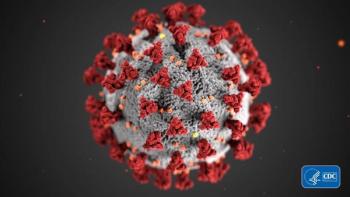
CDC officials clarified the agency's new isolation recommendations for individuals infected with COVID-19 and provided updates on its efforts to reduce pediatric cases among those too young to receive vaccines.

Coverage of our peer-reviewed research and news reporting in the health care and mainstream press.

David R. Stukus, MD, FACAAI, of Nationwide Children's Hospital and The Ohio State University College of Medicine, and a board member of the American College of Allergy, Asthma & Immunology, talks about the increase of eosinophilic esophagitis, or EoE, along with other allergic conditions.

Kimberly Westrich, MA, vice president of health services research at the National Pharmaceutical Council, discusses opportunities for growth regarding value-based benefits.

Korean patients with moderate-to-severe atopic dermatitis achieved and maintained markedly improved skin clearance with dupilumab treatment in a real-world setting, including in the face and hands.

School closures during the first wave of the COVID-19 pandemic in Switzerland were linked with longer sleep duration and improved health-related quality of life in high school students.

Treatment with the interleukin-36 inhibitor spesolimab was associated with improved lesion clearance vs placebo after one week, but also a greater incidence of infection and systemic drug reactions.
US cases of COVID-19 surge to record levels; FDA expands eligibility for Pfizer/BioNTech booster doses to children ages 12 to 15 years old; Israeli study finds fourth shot of COVID-19 vaccine effective and safe.
Anthony Fauci, MD, said the CDC is considering changes to its guidance requiring a negative COVID-19 test after 5-day quarantine; bipartisan legislation banning surprise medical billing goes into effect; booster vaccine programs may be limiting global vaccine supply for low- and middle-income countries.

This 8-part conversation with Blue Cross and Blue Shield of North Carolina and Newton Family Physicians, moderated by The American Journal of Managed Care® (AJMC®), focuses on the role of value-based care, independent care practices, and other aspects of health care that have been and continue to be affected by the continuing COVID-19 pandemic, even as we enter 2022. This is part 8.

This 8-part conversation with Blue Cross and Blue Shield of North Carolina and Newton Family Physicians, moderated by The American Journal of Managed Care® (AJMC®), focuses on the role of value-based care, independent care practices, and other aspects of health care that have been and continue to be affected by the continuing COVID-19 pandemic, even as we enter 2022. This is part 7.
This 8-part conversation with Blue Cross and Blue Shield of North Carolina and Newton Family Physicians, moderated by The American Journal of Managed Care® (AJMC®), focuses on the role of value-based care, independent care practices, and other aspects of health care that have been and continue to be affected by the continuing COVID-19 pandemic, even as we enter 2022. This is part 5.
This 8-part conversation with Blue Cross and Blue Shield of North Carolina and Newton Family Physicians, moderated by The American Journal of Managed Care® (AJMC®), focuses on the role of value-based care, independent care practices, and other aspects of health care that have been and continue to be affected by the continuing COVID-19 pandemic, even as we enter 2022. This is part 5.
This 8-part conversation with Blue Cross and Blue Shield of North Carolina and Newton Family Physicians, moderated by The American Journal of Managed Care® (AJMC®), focuses on the role of value-based care, independent care practices, and other aspects of health care that have been and continue to be affected by the continuing COVID-19 pandemic, even as we enter 2022. This is part 4.
This 8-part conversation with Blue Cross and Blue Shield of North Carolina and Newton Family Physicians, moderated by The American Journal of Managed Care® (AJMC®), focuses on the role of value-based care, independent care practices, and other aspects of health care that have been and continue to be affected by the continuing COVID-19 pandemic, even as we enter 2022. This is part 3.