



Oncology
Latest News

FDA Grants Priority Review to Enfortumab Vedotin + Pembrolizumab in Metastatic Urothelial Cancer
By Jordyn Sava

Gaps in Access to Cancer Care Resources May Contribute to Racial, Ethnic Disparities
By Rose McNulty
Advertisement
Latest Videos


CME Content


Advertisement
More News
The US Oncology Network now has more than 2400 providers who treat over 1.4 million patients annually at approximately 600 sites of care in 30 states.
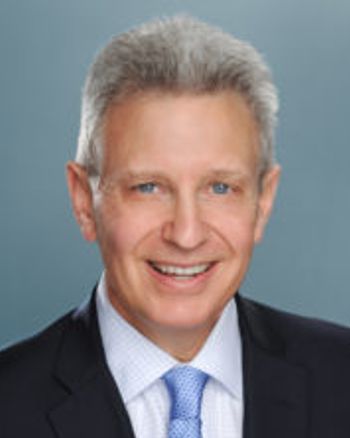
The centers for research are named for Anthony Greco, MD, and John Hainsworth, MD, who founded Sarah Cannon in 1993 as Tennessee Oncology physician researchers.

“The silencing of Black cancer patient voices impacted patients’ health care utilization and had implications for their physical health,” the authors wrote.
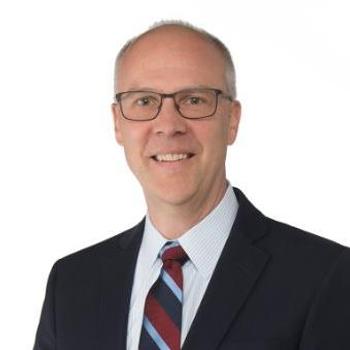
In an interview with The American Journal of Managed Care®, Grant Andres, BSc, DC, BSN, MSN-RN, senior director of clinical operations at Arizona Oncology, discussed the nuances of successfully implementing value-based care initiatives across a large organization.

Amy Laughlin, MD, MSHP, of Orlando Health gave a preview of the topic she is presenting on at today's American Journal of Managed Care®’s Institute for Value-Based Medicine® event in New York City.
Kathi Mooney, PhD, RN, FAAN, of the University of Utah, gave a preview of "The Oncology Hospital at Home," the presentation she is giving at The American Journal of Managed Care®’s Institute for Value-Based Medicine® event on November 2 in New York City.
Saira Jan, PharmD, MS, of Horizon Blue Cross Blue Shield of New Jersey, discussed cost savings that occurred so far from their collaborative pilot program with Rutgers Cancer Institute of New Jersey and RWJ Barnabas Health and also noted those they predict to occur as the program continues.
Coverage of the Institute for Value-Based Medicine session with Zangmeister Cancer Center, Columbus, Ohio.
Saira Jan, PharmD, MS, of Horizon Blue Cross Blue Shield of New Jersey, provides an overview of their collaborative pilot program with Rutgers Cancer Institute of New Jersey and RWJ Barnabas Health, discussing the program's origin, objectives, and beyond.
Coverage from the Institute for Value-Based Medicine event with Vanderbilt University Medical Center.
Coverage from the Institute for Value-Based Medicine session with Florida Cancer Specialists & Research Institute.
There is bipartisan support in the Congress for the Community Oncology Alliance's (COA) key agenda items, with hope that some will pass by year’s end.

Ted Okon, MBA, executive director, Community Oncology Alliance, discusses early returns from the Enhancing Oncology Model and how community oncology practices are innovating in ways that can expand into other areas of medicine.

Adding pembrolizumab to combination of trastuzumab and chemotherapy improved progression-free survival vs placebo plus trastuzumab and chemotherapy in the first-line treatment of patients with metastatic HER2-positive gastric or gastroesophageal junction (GEJ) cancer.
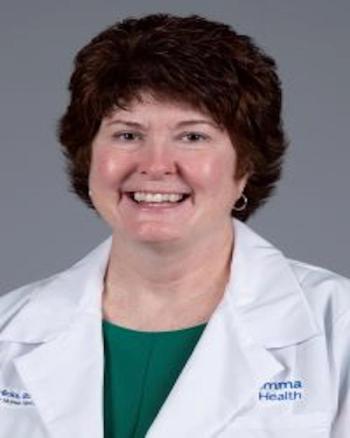
A 2022 yearlong initiative at Summa Health Cancer Institute saw 100% of its patients with head and neck cancer undergoing radiation treatment referred to an oncology dietician for nutritional support and/or speech and swallow therapy.

Knowledge of the different treatment options available and the eligibility criteria for each will help identify the right treatment for patients with hepatobiliary cancer.
The survey, completed over 2 weeks in September, follows a similar one released in June.
Adults with cancer may have difficulty self-assessing the clinical severity of their acute care needs, yet they rarely use a telephone triage line available to them.
Enrollment in managed care among Medicaid enrollees presents challenges to classifying Medicaid coverage in cancer registries.

In 2023, the United States was in the midst of the largest drug shortage in a decade, including lifesaving platinum-based medications to treat a variety of cancers.
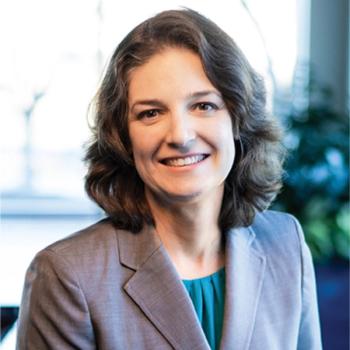
Denlinger, who spent most of her career at Fox Chase Cancer Center before joining the National Comprehensive Cancer Network (NCCN) as its chief scientific officer, took the helm October 9, 2023.
Coverage from the June 8, 2023, Institute for Value-Based Medicine session in Austin, Texas, held in partnership with Texas Oncology.
Coverage from the June 8, 2023, Institute for Value-Based Medicine session in Austin, Texas, held in partnership with Texas Oncology.
Advertisement
Advertisement
Trending on AJMC
1
TrumpRx Launch Brings Savings—and Uncertainty
2
As Cencora Closes With OneOncology, Patton Says Terms Show “Trust”
3
Asundexian Reduces Risk of Stroke Recurrence in Phase 3 OCEANIC-STROKE Trial
4
Benefits, Tradeoffs of Medically Integrated Dispensing in Oncology Care: Katherine Tobon, PharmD, BCOP
5