





Oncology
Latest News
Advertisement
Latest Videos




Advertisement
More News
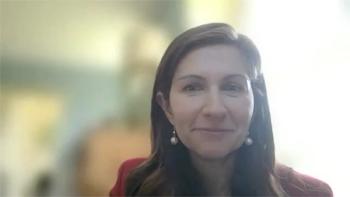
Miruna Sasu, PhD, MBA, president and CEO of COTA Healthcare, delves into how real-world data and evidence generation have changed, both within the past year and since the beginning of the COVID-19 pandemic.
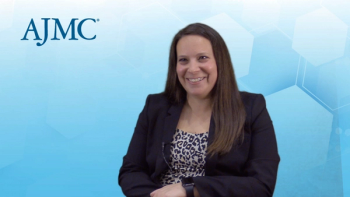
After the Oncology Care Model (OCM) expires at the end of June, Tennessee Oncology will take what it learned from the model and apply it to commercial value-based care arrangements and potentially the next Medicare model, said Leah Owens, DNP, RN, executive director of care transformation at Tennessee Oncology.

Assessing Surveillance Utilization and Value in Commercially Insured Patients With Colorectal Cancer
Trends in surveillance testing after treatment for colorectal cancer remained relatively stable recently, and patients who overutilized surveillance measures had quicker recurrence detection but higher costs.
The proportion of colonoscopies performed for postpolypectomy surveillance has increased significantly, particularly among older patients with limited life expectancy, raising concern for possible overuse.
Among the fewer than half of patients with cancer who received opioid fills, a relatively small proportion (2.5%) had potentially problematic opioid use.

The FDA sets a tentative date for a decision on authorizing a COVID-19 vaccine in children under 5 years of age; the American Academy of Pediatrics will review all of its guidance for unproven race-based recommendations contributing to health disparities; the FDA rejects 2 China-tested cancer treatments.

Although crowdfunding can be a financial lifeline for young adult patients with serious medical conditions, the nuances regarding the need for and the long-term impact of crowdfunding exposes a facet of the US health care system that must be addressed.
The CEO of the American Oncology Network cited the growing need for financial assistance in announcing the partnership.

From the editor-in-chief of Evidence-Based Oncology.

Coverage from the Association of Community Cancer Centers 2022 Annual Meeting and Cancer Center Business Summit, held in Washington, DC, March 2-4.
Coverage from the 2022 annual meeting of the Cholangiocarcinoma Foundation, which met February 23-25 in Salt Lake City, Utah.
Recent steps by FDA to promote the use of real-world evidence are to be commended, but the future demands a broader vision that makes greater use of growing sources of health care information.
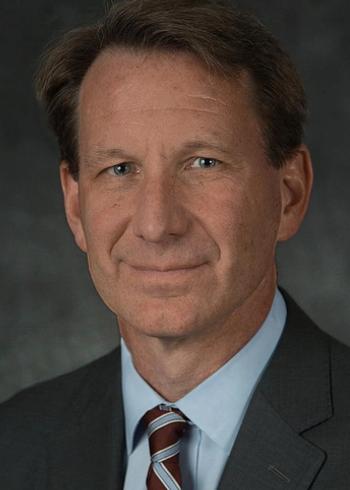
Norman E. “Ned” Sharpless, MD, is departing shortly after the launch of Cancer Moonshot 2.0, an initiative that aims to reduce the cancer death rate by at least half over the next 25 years while improving the experience for all those affected by cancer.
No One Left Behind, a program to provide financial assistance and access to cancer care at Carolina Blood and Cancer Care Associates in South Carolina, will be discussed during a session of the Community Oncology Alliance 2022 Community Oncology Conference.
The first in-person Community Oncology Alliance (COA) meeting in 2 years will feature sessions on practice management, health disparities, and more. A virtual option is available.
Developing alternative payment models for commercial populations in specialties such as oncology is rife with practical challenges. Leading payers and practices share lessons to date.
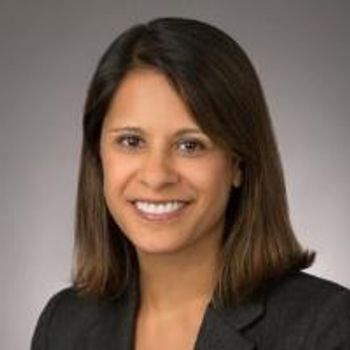
Purva Rawal, PhD, senior advisor and chief strategy officer, Center for Medicare and Medicaid Innovation, addressed attendees at the Association for Accessible Medicines' Access! annual meeting, held in Orlando, Florida, February 15-16.

The president’s aim is a 50% reduction in age-adjusted cancer deaths by 2047. This goal seems audacious, but it is likely achievable.

Response to immunotherapy and survival outcomes were found to be significantly associated with tumor mutational burden in patients with stage IV non-small cell lung cancer.
AccessHope is a program that allows patients and community oncologists to tap into the expertise of City of Hope, often through electronic sharing of records so the patient does not have to travel.
The changes come as Tennessee Oncology must now plan for a gap between the Oncology Care Model and a future alternative payment model from CMS.

On this episode of Managed Care Cast, we speak with Meghan Gutierrez, CEO of the Lymphoma Research Foundation, about financial toxicity, how the pandemic has affected patients’ financial needs when they have cancer, health care disparities and care gaps, and more.

President Biden announced he would bring back the Cancer Moonshot initiative that launched in the Obama administration; the World Health Organization said the Omicron subvariant, BA.2, appears to have the same severity as the original Omicron variant; cases of suicide by drug overdose increased in young people, older adults, and non-Hispanic Black women.
The Oncology Care Model (OCM) is set to expire June 30, 2022. With no successor on the horizon, respondents to a recent survey by the Community Oncology Alliance (COA) say features such as dedicated navigators and weekend appointments could be reduced or lost if revenues that supported them are eliminated.
Advertisement
Advertisement
Trending on AJMC
1
TrumpRx Launch Brings Savings—and Uncertainty
2
As Cencora Closes With OneOncology, Patton Says Terms Show “Trust”
3
Benefits, Tradeoffs of Medically Integrated Dispensing in Oncology Care: Katherine Tobon, PharmD, BCOP
4
Asundexian Reduces Risk of Stroke Recurrence in Phase 3 OCEANIC-STROKE Trial
5