

Pediatric research explored environmental interventions for bronchiolitis, heart function in children born preterm, and a quality initiative that improved rounding autonomy for pediatric fellows.
Pediatric research explored environmental interventions for bronchiolitis, heart function in children born preterm, and a quality initiative that improved rounding autonomy for pediatric fellows.
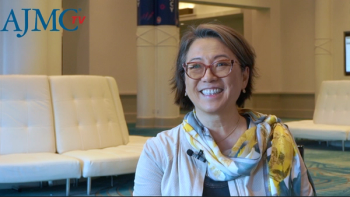
As community oncology evolves to deliver chimeric antigen receptor (CAR) T and bispecific therapies closer to home, support is needed to ensure patient access and precision medicine capabilities, says Nini Wu, MD.
Attendees at the American Thoracic Society (ATS) 2025 International Conference highlight global networking, scientific advancements, and professional development at this year's meeting.

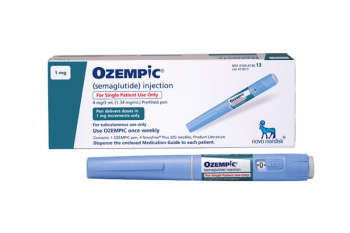
Drugs first approved to treat diabetes, which later became a top sellers to aid weight loss, are associated with reduced risk of obesity-related cancer.

Assistance from artificial intelligence can potenially increase the number of patients eligible for treatment for HER2-low breast cancers.
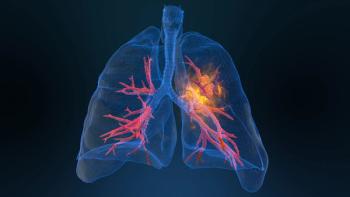
Patients with extensive-stage small cell lung cancer (SCLC) experienced clinically meaningful benefits with lurbinectedin plus atezolizumab vs atezolizumab in the phase 3 IMforte trial, according to findings being presented at the ASCO Annual Meeting.

ASCO and Google Cloud unveil an AI tool that streamlines access to clinical guidelines, enhancing decision-making for oncologists in patient care.


New findings from the MATINEE and COPD-HELP studies suggest mepolizumab could reduce exacerbations and improve quality of life in patients with eosinophilic chronic obstructive pulmonary disease (COPD).

Nerandomilast significantly slowed lung function decline and reduced mortality in patients with progressive pulmonary fibrosis (PPF), with consistent efficacy regardless of background antifibrotic therapy.
Toby Maher, MD, PhD, professor of clinical medicine, Keck School of Medicine at USC, shares trial findings from the FIBRONEER-IPF (NCT05321069) and FIBRONEER-ILD (NCT05321082) studies on nerandomilast.
While artificial intelligence (AI) is transforming community oncology, Nini Wu, MD, of Navista, emphasizes that success depends on patient access and infrastructure.

Researchers are working to redefine diagnosis and treatment with data-driven tools aimed at identifying patients earlier and guiding precision care.
Matthew Viggiano, MD, internal medicine resident, Temple University Hospital, shares findings on a study in which female patients with interstitial lung disease (ILD) admitted to the intensive care unit (ICU) experienced significantly lower mortality rates and shorter hospital stays than male patients with ILD.
Krunal Patel, MD, pulmonary and critical care fellow, Temple University Hospital, discusses how early intervention within 12 hours improved hemodynamic measurements and clinical outcomes in patients with pulmonary embolism.
M. Bradley Drummond, MD, MHS, professor of medicine, University of North Carolina at Chapel Hill, shares promising results of ensifentrine in helping patients with insufficient chronic obstructive pulmonary disease (COPD) control.

The latest results from the phase 3 FIBRONEER-IPF trial showed consistent benefit of nerandomilast in patients with idiopathic pulmonary fibrosis (IPF) whether or not they were receiving background antifibrotic therapy.

Research presented at the American Thoracic Society (ATS) 2025 International Conference used FDA-approved tools to see how sleep can impact other parts of recovery for patients in the intensive care unit (ICU).
Sanjay Ramakrishnan, MD, senior lecturer, University of Western Australia, discusses the value of the win ratio approach in evaluating treatment effects in chronic obstructive pulmonary disease (COPD).

Solutions depend on listening to individuals with lived experience, rebuilding trust, and recognizing the humanity of every patient, experts say.
Michael Goulet, DO, pulmonary and critical care fellow, Temple University Hospital, shares findings on the impact of wildfire smoke on hospital admissions and health care utilization in the Northeast.

Employers discover innovative strategies for enhancing employee engagement and access to care at the Greater Philadelphia Business Coalition on Health (GPBCH) Annual Conference, fostering actionable dialogue and collaboration.

Delandistrogene moxeparvovec demonstrated a manageable safety profile across clinical trials for Duchenne muscular dystrophy (DMD), with most adverse events emerging within 90 days of infusion.

Late-breaking findings on pulmonology, critical care, and sleep medicine will be presented at the American Thoracic Society (ATS) 2025 International Conference.
Employers explore innovative strategies at the Greater Philadelphia Business Coalition on Health (GPBCH) Annual Conference, focusing on GLP-1 policies to enhance health care quality and manage costs effectively.

Sandeep Sahay, MD, FCCP, director of the Pulmonary Hypertension Program, Houston Methodist Hospital, previews key topics of this year's American Thoracic Society (ATS) conference.

Stephen Speicher, MD, and Kate Estep, from Flatiron Health, discuss the future of oncology care with artificial intelligence (AI).

Drug companies and specialty distributors navigate challenges like profitability, supply chain volatility, regulatory complexities, and market pressures to build successful partnerships, said Natalie Bedford of McKesson.