



Center on Health Equity & Access
Latest News
Advertisement
Expert Insights
Hear what thought leaders have to share about the Center on Health Equity & Access.
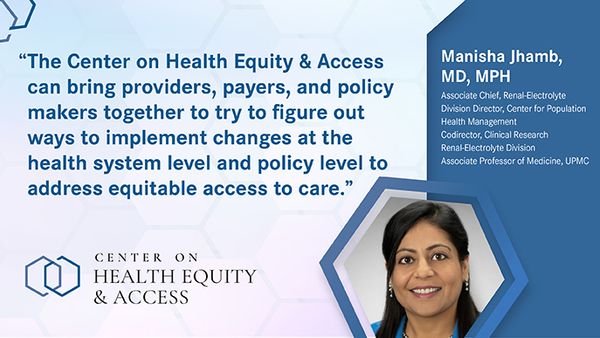
Expert Insights
Hear what thought leaders have to share about the Center on Health Equity & Access.
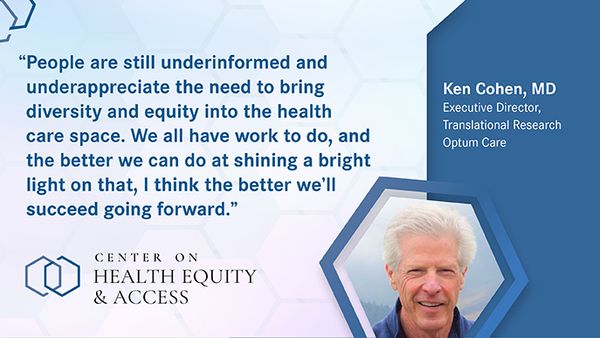
FDA Denies MDMA-Assisted Therapy Despite Promising Trial Results
Leaders respond to the complete response letter issued by the FDA, seeking answers and calling for more progress to aid the veteran community and others experiencing PTSD. Learn more with the full article from AJMC®!
Latest Videos





Advertisement
More News

Experts are now urging the inclusion of sickle cell disease in the global health agenda to address disparities in treatment access.

Cancer drug prices rose post-launch in the US, while they declined in Germany and Switzerland.

The 6-year mandatory Increasing Organ Transplant Access Model aims to boost kidney transplants and address disparities by incentivizing hospitals, enhancing care coordination, and measuring transplant outcome performance.

The US can learn from what other countries are doing well to implement the best programs to improve patient access to care, especially for those who have the worst outcomes, explained Nadine J. Barrett, PhD, MA, MS, FACCC, of Wake Forest University and the Association of Cancer Care Centers.

The Center on Health Equity & Access highlights news and expert insights on research, social determinants of health, and health policy.
Palliative care is quality care, and providers and health systems need to do a better job at ensuring there is equity in palliative care, said Nadine J. Barrett, PhD, MA, MS, FACCC, of Wake Forest University and the Association of Cancer Care Centers.

Food insecurity is a significant public health concern that disproportionately affects marginalized communities, contributing to a range of health disparities.

While name brands like Adderall and Vyvanse may have been recently removed from the FDA Drug Shortage Database, it's unclear if it'll last; meanwhile, many generic forms of attention-deficit/hyperactivity disorder (ADHD) medication are still in short supply.

State-level maternal health scores varied greatly in the 2024 March of Dimes report card, with Vermont getting the only A grade on preterm birth rates.

Adults with more unfavorable health-related social needs, such as unemployment or food insecurity, had a higher prevalence of low cardiovascular health, highlighting the importance of addressing social determinants to improve population health.

The 2024 March of Dimes report card gave the US a D+ overall, with worse grades among Southern states.

Native Hawaiian and non-Hispanic Black individuals had the highest burden of mortality among patients with early-onset colorectal cancer (CRC).
Americans are underinsured, even with employer-based health plans; a thorough critique of the lack of representation among Black patients in clinical trials showcases a persistent theme; systemic barriers in cardiology, breast cancer, and patent systems are examined.

Iron deficiency represents more than a medical condition; it is a reflection of persistent health disparities, according to an editorial published in The Lancet Haematology.

Global Biosimilars Week discussed issues in biosimilar adoption and called for reforms to streamline processes, foster competition, and increase biosimilar access for patients.

In the current landscape of vaccine skepticism and misinformation, it is important to understand the full impact of long COVID on quality of life, especially among vulnerable populations.


The Wellness Way facility was designed to improve access to comprehensive outpatient care and address social determinants of health for a diverse patient population.

Coverage from the recent Institute for Value-Based Medicine event with NYU Langone Health.

Coverage from the IVBM event with Vanderbilt-Ingram Cancer Center in Nashville, Tennessee.

Despite significant progress in expanding health insurance coverage since the Affordable Care Act (ACA) was enacted, millions of Americans still face critical gaps in access to and affordability of health care.


Patients with chronic liver disease who were unable to establish care were 85% more likely to require recurrent hospitalizations. This group included a disproportionate number of women and individuals with physical limitations affecting their health.

The new report from US Surgeon General Vivek H. Murthy, MD, MBA, highlights persistent disparities in tobacco use and secondhand smoke exposure, calling for equitable strategies to achieve a tobacco-free future.

Older non-Hispanic Black adults with early-stage breast cancer are less likely to receive timely treatment and guideline-concordant care, increasing their risk of death compared with non-Hispanic White women.
Advertisement
Advertisement
Trending on AJMC
1
Delayed Dupilumab Raises Asthma Costs 32%: Nicola Hanania, MD
2
Regorafenib Prescribing in Advanced GIST Deviates From Guidelines
3
FDA Expands Finerenone Approval to CKD Associated With Type 1 Diabetes
4
Secondary T-Cell Cancers After CAR T: Rare, Real, and Worth Watching
5