



Clinical Pathways
Latest Content
Advertisement
Latest Videos
Advertisement
More News

A recent trial sought to assess the effect of palbociclib on overall survival (OS) and the efficacy of subsequent therapy in patients with hormone receptor–positive (HR+), HER2-negative advanced breast cancer.

A recent study looked to use real-world data to support the value of pathway regimens designed to create high-quality, affordable treatment in breast cancer care.
Women with HER2-positive early breast cancer with small tumors have similar disease-free survival and lower risk of cardiac toxicity with a 9-week course of adjuvant trastuzumab compared with those treated for 1 year, according to a study presented at the ESMO 2018 Annual Congress. A second study showed that a 6-month course of adjuvant trastuzumab was cost-effective compared to 12 months.

A recent study looked at regimens concordant with the National Comprehensive Cancer Network (NCCN) Guidelines for Metastatic Breast Cancer (MBC) in order to describe categories of nonconcordant treatments; evaluate patient- and provider-level factors associated with nonconcordance; and determine the impact of nonconcordance on mortality, Medicare spending, and rates of healthcare utilization.
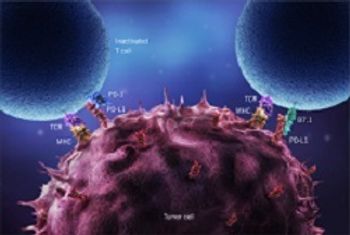
This week, the National Comprehensive Cancer Network (NCCN) published new guidelines for patients centered around neuroendocrine tumors.

In a study presented at the American Society of Clinical Oncology Quality Care Symposium last month, researchers looked to assess the adherence to National Comprehensive Cancer Network (NCCN) guidelines in the neoadjuvant treatment of breast cancer and the impact on outcomes.

A recent retrospective analysis examined changes in diagnosis after a second opinion for patients with breast cancer from a multi-disciplinary tumor board review at a National Cancer Institute-designated cancer center.

Black women are more likely to be diagnosed at a later stage of breast cancer in part due to barriers to timely screening mammography, a study reported, leading to a disparity in mortality and survival outcomes.

Earlier this week, 3 studies were released that investigated the financial difficulties seen in patients living with cancer. Such difficulties are referred to as “financial toxicity,” which was studied in patients with metastatic breast cancer and older patients, as well as the conversations about cost of care that women with breast cancer have with their physicians.

Optimal end-stage renal disease (ESRD) starts were associated with lower 12-month morbidity, mortality, and inpatient and outpatient utilization in an integrated healthcare delivery system.
Although many different treatments exist for basal cell carcinoma (BCC), many methods have not been compared in head-to-head randomized trials. A review recently published in Annals of Internal Medicine looked to evaluate the comparative effectiveness and safety of treatments in adults with BCC.
Assessing a patient’s understanding of his or her own illness is important as cancer treatments become more and more complex, said Denalee O’Malley, PhD, LSW, instructor, Department of Family Medicine and Community Health, Rutgers Robert Wood Johnson Medical School.

Researchers examining how well integrated practice units (IPU) are implemented across 7 cancer centers in Europe found there was no clear, consistent strategy for developing and implementing IPUs, in an analysis that focused mostly on breast cancer clinical pathways.

Twice-yearly magnetic resonance imaging (MRI) scans to find early breast cancers in women with a high genetic risk are more effective than 1 mammogram, study says.

The National Comprehensive Cancer Network (NCCN) released this week new treatment guidelines for patients for 2 uterine cancers, endometrial cancer, the most common gynecologic cancer, and a rare cancer called uterine sarcoma.

A team of multi-institutional clinicians and scientists have recently published the first-ever guidelines for the evaluation and treatment of perimenopausal depression, endorsed by the International Menopause Society, in Menopause and the Journal of Women’s Health.
A new study found no differences in long-term outcomes associated with 2 different approaches to administering trastuzumab (Herceptin) with neoadjuvant chemotherapy in patients with HER2-positive breast cancer. Receiving the combination sequentially rather than concurrently eliminates the known cardiac toxicities associated when chemotherapy and HER2 therapy are given at the same time, researchers said.

A recent review of nearly 582,000 heart attack cases over the span of 19 years found that female patients had a significantly higher survival rate when treated by a female physician in the emergency department.
Earlier this month, the National Comprehensive Cancer Network (NCCN) released new treatment guidelines for a group of rare cancers that impact women during pregnancy.
What type of cervical cancer screening should a woman get, if any, and how often? The latest recommendation from the United States Preventive Services Task Force (USPSTF) said Tuesday that it depends on a woman’s age and other factors.
A recent study found that the poly (ADP-ribose) polymerase (PARP) inhibitor talazoparib extended progression-free survival (PFS) and improved quality of life over chemotherapies for patients with metastatic human epidermal growth factor 2-negative breast cancer and mutations in the BRCA 1/2 genes.
A web-based teaching conference was found to be an effective teaching model to improve adherence to clinical pathway guidelines in a large radiation oncology network looking to improve compliance with dosimetric parameters in whole breast irradiation, according to a report published earlier this year.
Advertisement
Advertisement
Trending on AJMC
1
Four Major Idiopathic Pulmonary Fibrosis Advances From 2026
2
Machine Learning Has High Accuracy, Little Prospective Validation in MPNs
3
The Next Decade of Cancer Care Is Coming Home: Who Will Be in the Driver’s Seat?
4
BPC-157 'Wolverine Peptide' Use Rose 33-Fold Despite Scant Evidence
5