




Clinical
Latest News
Advertisement
Latest Videos

CME Content


Advertisement
More News

Efanesoctocog alfa is the first factor VIII therapy to overcome the interaction with endogenous von Willebrand factor, which creates a ceiling of 8 to 19 hours on the half-life of current factor VIII replacement products, which in turn creates the need for more frequent dosing.

Individuals with multiple myeloma were 51% more likely to have a stroke and 36% more likely to have a heart attack compared with the general patient population in a large real-world assessment of arterial thrombotic events among patients with multiple myeloma in the United States.
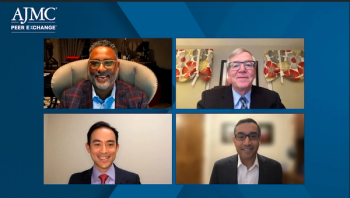
Key opinion leaders discuss faricimab, its impact on the treatment landscape for wet AMD/DME, and what payers should look for when considering formulary positioning or utilization-management strategies.

A trial enrolling 97 children newly diagnosed with type 1 diabetes did not meet the primary endpoint of preservation of insulin production by beta cells, but it did show a significant decrease in fasting and clinically relevant reduced serum glucagon.

Positive expression levels of the biomarker were more common in adenocarcinoma than in squamous cell carcinoma, among patients who had non–small cell lung cancer (NSCLC).

The study also found, however, that transplant outcomes appear to be worse for Black African American patients who have primary myelofibrosis (PMF), although the study utilized a small sample size.
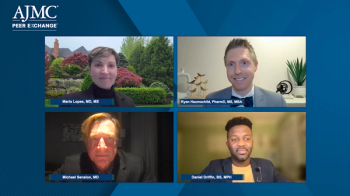
Michael Sension, MD, provides insights on resistance mechanisms promoting MDR HIV.
Ryan Haumschild, PharmD, MS, MBA, opens a panel discussion surrounding the incidence and prevalence of multidrug-resistant (MDR) HIV.
Dr Coney discusses the variability of frequency dosing with anti-VEGF therapy in patients with wet AMD and DME, and Dr Sheth expands on Ang-2 and its contribution to the development of vascular instability in wet AMD.

Results from a phase 2 study suggests that the oncolytic virus talimogene laherparepvec has potential to improve therapy responses for patients undergoing neoadjuvant chemotherapy for triple-negative breast cancer (TNBC).
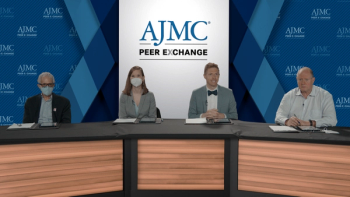
Roy Beveridge, MD, and Brian Koffman, MD, explore how the Bruton tyrosine kinase inhibitors (BTKi) fit into value-based care models for oncology and the patient support offered to aid patients in gaining access to BTKis.
Brian Koffman, MD, and Roy Beveridge, MD, discuss the financial burdens of Bruton tyrosine kinase inhibitor therapy and considerations for oral therapy vs infusion therapy.
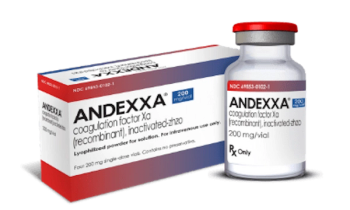
Researchers found that the anticoagulant effects of apixaban, betrixaban, edoxaban, and rivaroxaban were partially neutralized at an andexanet alfa dose of 50 mcg/mL and were completely neutralized at 100 mcg/mL.
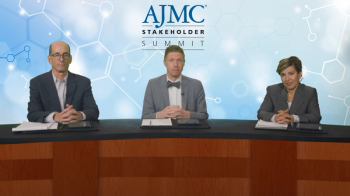
Amy McMichael, MD, provides an overview of the Psorcast app and how it can benefit treatment adherence for patients.
A panel of experts discussed the explosion of information and advances in cancer genomics and the accompanying challenges of understanding the data and taking action.
Bruce Sherman, MD, FCCP, FACOEM, and Maria Lopes, MD, MS, discuss how organizations can address disparities in care for psoriasis.

A fifth person has been cured of HIV following a stem cell transplant for cancer; a new study examining a treatment of spinal cord stimulation after stroke had favorable results; some food companies enraged by proposed FDA healthy food guidelines.
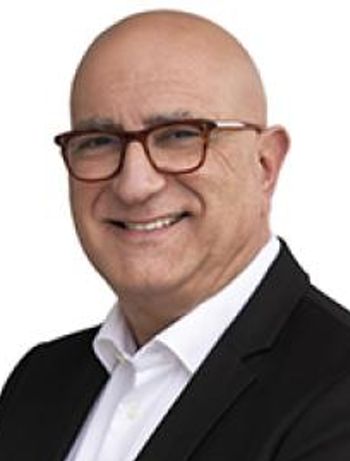

Antiviral treatment was associated with lower health care resource utilization and costs in patients with type 2 diabetes and a diagnosis of influenza.

There are 2 ranibizumab biosimilars approved in the United States, and with more ranibizumab and the first aflibercept biosimilars on the horizon, gaps in knowledge among retinal physicians should be addressed.
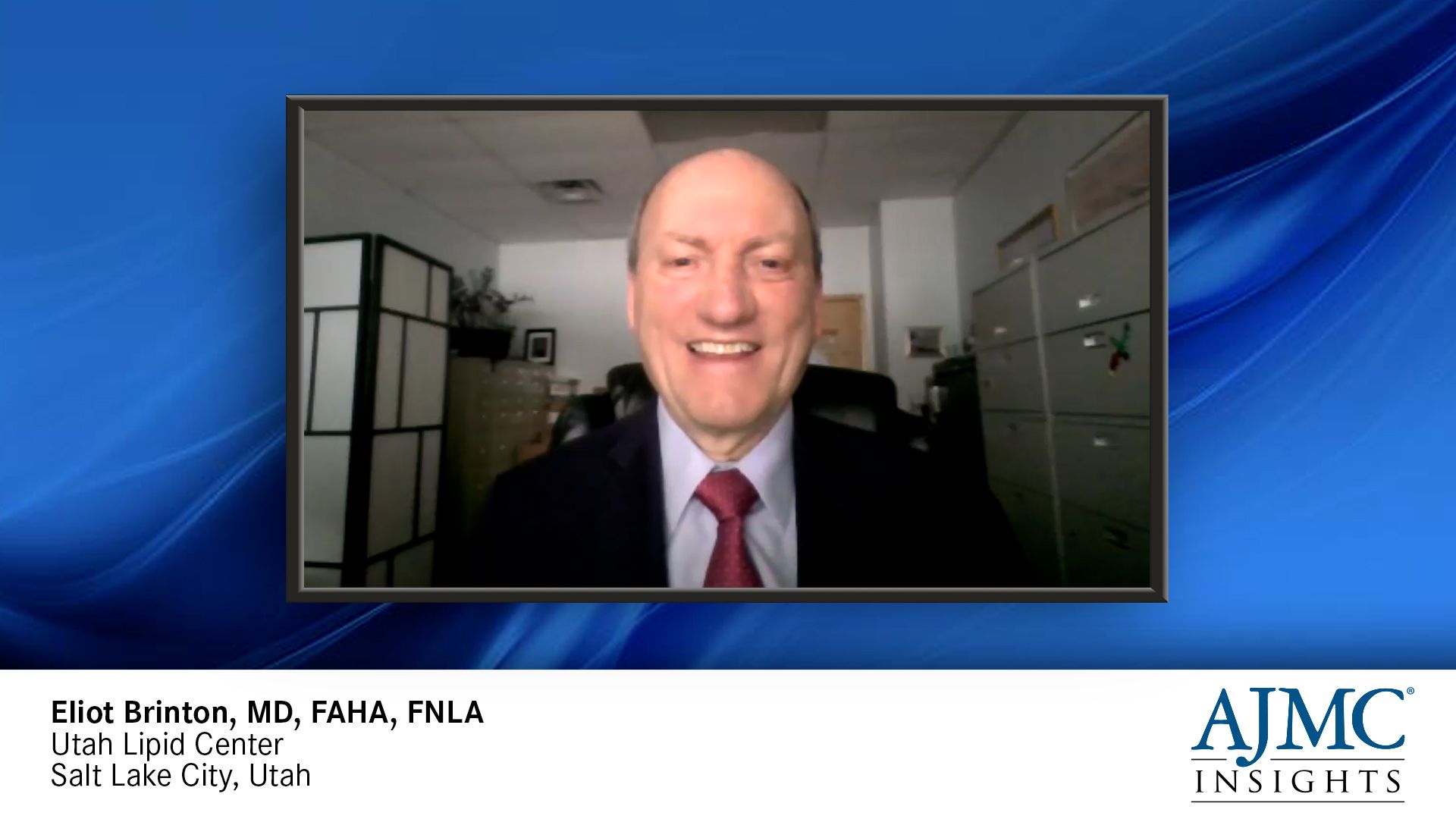
Experts discuss the effect and safety of lomitapide and evinacumab in treating patients with HoFH.
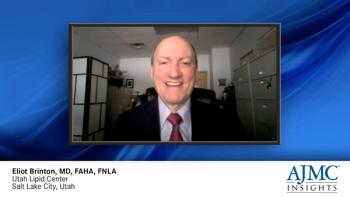
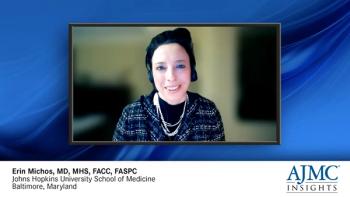
Drs Brinton and Michos highlight LDL-C apheresis in the treatment landscape for homozygous familial hypercholesterolemia [HoFH].

Patients with myelofibrosis (MF) who achieved a spleen response while taking ruxolitinib and lost it had survival outcomes similar to patients who did not respond, according to results from a real-world study.
Advertisement
Advertisement
Trending on AJMC
1
TrumpRx Launch Brings Savings—and Uncertainty
2
5 Things to Know About the Oral GLP-1 Era
3
Exploring Identity, Appearance Experiences Among Patients With Alopecia
4
Even After 6 Years, Disease Progression Impacts Survival in Mantle Cell Lymphoma
5