




Clinical
Latest News


Characteristics of Relapse Affect Treatment Choices in Multiple Myeloma
By Mary Caffrey
Advertisement
Latest Videos




CME Content


Advertisement
More News

Judicious use of caplacizumab (Cablivi) can reduce the risk of severe bleeding and help manage costs associated with the therapy in patients living with thrombotic thrombocytopenic purpura (TTP).

Dr Haumschild leads a discussion surrounding comorbidities associated with geographic atrophy.
David Lally, MD, highlights risk factors associated with geographic atrophy.

Female patients were most likely to experience onset of triple-negative myasthenia gravis (MG) between ages 0 to 9 years.

Assessing both physical and emotional functioning scales within cancer quality-of-life questionnaires at diagnosis may help predict survival in patients with lung cancer, a recent study found.

Idecabtagene vicleucel (ide-cel) led to significantly longer PFS and better therapy responses than standard regimens for patients with triple-class–exposed relapsed and refractory multiple myeloma.

In their closing thoughts, the expert panelists discuss the future of the disease state and treatment options, and how they expect provider, patient, and payer value perception to change in the future.
The panelists discuss how payers can best engage with the retinal disease community on a provider and patient level.

A review based on an expert panel discussion highlights a need for the inclusion of older patients in studies of immune checkpoint inhibitors for the first-line treatment of advanced non–small cell lung cancer (NSCLC).

Panelists provide their closing thoughts on the disease state and treatment landscape of multidrug-resistant HIV.
Dr Lopes and Mr Driffin discuss cost considerations and utilization barriers inhibiting treatment for patients with multidrug-resistant HIV.
Maria Lopes, MD, MS, and Mr Driffin explore total cost of care affected by various multidrug-resistant treatment regimens.

Two posters presented at the American Academy of Dermatology (AAD) annual meeting evaluated misconceptions and addressed concerns around the use of biosimilars in dermatology.

The tool can help clinicians stratify patients into high-risk and low-risk categories.

New data underscore the long-term implications of immune-mediated thrombotic thrombocytopenic purpura (iTTP) and atypical hemolytic-uremic syndrome (aHUS), both rare diseases.

A medical expert discusses real-world analyses surrounding the use of ctDNA.

Older age was also a risk factor for hospitalization and death in patients with myeloproliferative neoplasms (MPN) who contract COVID-19, the investigators found.

Although minimal residual disease (MRD) has emerged as a valuable prognostic marker across several hematological malignancies, its use in chronic lymphocytic leukemia (CLL) is mostly limited to clinical trials.
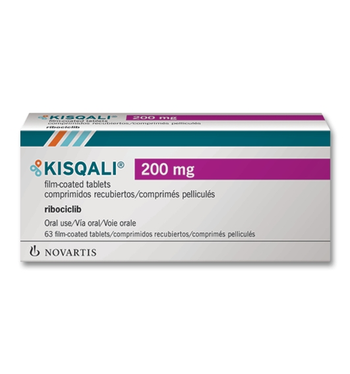
Results for this study, involving use of this CDK4/6 inhibitor with endocrine therapy, will be presented at an upcoming scientific meeting and submitted to regulators.

Mental health is an underrepresented issue in dermatology even though numerous skin diseases are associated with mental health diseases, said Eva R. Parker, MD, associate professor of dermatology at Vanderbilt University Medical Center and president of the Nashville Dermatologic Society.

The first FDA-approved therapy for geographic atrophy, pegcetacoplan, slows disease progression but does not reverse it, which means providers need to intervene early before there is too much irreversible damage, explained Eleonora Lad, MD, PhD, associate professor of ophthalmology, Duke University.

The patient, referred to as the “New York patient,” was treated with stem cells from cord blood, and has remained HIV-free in her blood since her transplant in 2017.

Patients with prostate cancer who were treated with brachytherapy boost showed improved survival compared with those treated with external beam radiotherapy in a recent study.

A recent study suggests that sleeve lobectomy is safe to perform in patients with non–small cell lung cancer who received neoadjuvant therapy.

The lower number needed to treat suggests that ruxolitinib cream may be more effective for patients with atopic dermatitis (AD), according to a poster presented at AMCP 2023.
Advertisement
Advertisement
Trending on AJMC
1
TrumpRx Launch Brings Savings—and Uncertainty
2
5 Things to Know About the Oral GLP-1 Era
3
Exploring Identity, Appearance Experiences Among Patients With Alopecia
4
Asundexian Reduces Risk of Stroke Recurrence in Phase 3 OCEANIC-STROKE Trial
5