





Clinical
Latest News
Advertisement
Latest Videos








Advertisement
More News

Glucagon-like peptide 1 receptor agonists, including semaglutide, have increased in use and will continue to increase due to their effectiveness in weight loss.

Selected patients with a clinical response after therapy could benefit from salvage surgery in non–small cell lung cancer (NSCLC), with acceptable results for perioperative morbidity.

The analysis highlighted a shift in heart failure diagnoses, with hypertensive heart disease with and without chronic kidney disease as prevalent diagnoses, underlining coding variability and implications for research.

Elise S. Tremblay, MD, MPH, explores potential policy solutions and research directions to address ongoing challenges in insulin affordability and access.

The cause of dilated cardiomyopathy (DCM) can be associated with the presence of the TTN gene combined with preexisting comorbidities like atrial fibrillation, which increase the odds of developing DCM.

Ambulatory cardiac monitors’ clinical and economic outcomes vary; one long-term continuous monitor brand showed greater arrhythmia diagnosis, fewer retests and cardiovascular events, and lower health care resource use and costs.

High-volume cancer centers utilizing neoadjuvant chemotherapy (NACT) significantly reduce surgical mortality and enhance survival rates in patients with advanced ovarian cancer.
In this clip, Elise S. Tremblay, MD, MPH, explores factors behind fluctuations in insulin out-of-pocket costs and highlights the serious health consequences of persistently lower insulin use.
Medicare Advantage outperformed traditional Medicare on clinical quality measures before and during the COVID-19 pandemic; mid-pandemic, however, traditional Medicare narrowed the gap on some in-person screenings.

Panelists discuss how upcoming ASCO presentations will focus on long-term CAR T-cell therapy outcomes showing potential cure plateaus, minimal residual disease (MRD)–guided treatment escalation/de-escalation strategies, tri-specific antibodies, and the economic value of using MRD negativity to guide maintenance therapy discontinuation decisions.

Interclass biologic switching can improve outcomes, but it also increases infection rates.
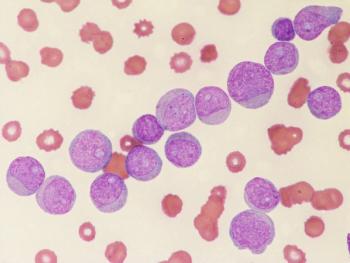
New long-term data highlights the effectiveness and safety of ivosidenib plus azacitidine for treating IDH1-mutated acute myeloid leukemia in vulnerable patients.

Zongertinib gains FDA approval for treating HER2-mutated non–small cell lung cancer (NSCLC), offering hope with fewer side effects and promising response rates in patients.

Christina Poh, MD, of City of Hope National Medical Center, highlights the benefit of tafasitamab in improving progression-free survival for heavily pretreated patients with relapsed or refractory (R/R) follicular lymphoma.
The FDA approved multiple groundbreaking treatments in July, enhancing options across patient populations.
Elise S. Tremblay, MD, MPH, discusses her study on trends in insulin out-of-pocket costs and use disparities from 2008 to 2021, highlighting how health plan structure and income level influenced access and adherence.

Bevacizumab combined with chemotherapy was not as effective in advanced driver gene-negative nonsquamous non–small cell lung cancer (NSCLC) compared with immune checkpoint inhibitors plus chemotherapy.

Higher social vulnerability in patients with ovarian cancer leads to longer treatment delays but earlier palliative care consultations, highlighting critical health disparities.

Researchers discovered a significant negative correlation between an individual's oxidative balance score and systemic immune-inflammation index, highlighting the role of antioxidants in reducing inflammation.
Panelists discuss how recent updates from the phase 3 IsKia trial demonstrate that isatuximab combined with carfilzomib, lenalidomide, and dexamethasone improves minimal residual disease negativity rates by approximately 10% at both the 10–5 and 10–6 levels, particularly benefiting high-risk patients.
Panelists discuss how the PERSEUS trial’s subgroup analysis reinforced that sustained minimal residual disease negativity predicts better long-term outcomes and demonstrated the potential for treatment de-escalation at the 2-year mark, while other trials like Advance showed dramatic increases in MRD negativity rates with quadruplet therapy.

There are key steps to take that can ensure equitable access to pegcetacoplan, explained Carla Nester, MD, MSA, FASN, who also highlighted remaining questions on long-term outcomes, safety, and pediatric use.

Investigators discuss how their findings on ovarian cancer mortality trends can guide earlier detection and prevention efforts, while also emphasizing the need for further research.
This approval offers a promising new targeted treatment for patients aged 12 and older with C3 glomerulopathy (C3G) and primary immune complex membranoproliferative glomerulonephritis (IC-MPGN), according to Carla Nester, MD, MSA, FASN, addressing a critical gap left by broad immunosuppressive therapies.
The investigators discuss key factors driving persistent ovarian cancer mortality disparities by age, race, and geography, and propose targeted public health and clinical interventions to address them.
Advertisement
Advertisement
Trending on AJMC
1
TrumpRx Launch Brings Savings—and Uncertainty
2
As Cencora Closes With OneOncology, Patton Says Terms Show “Trust”
3
Benefits, Tradeoffs of Medically Integrated Dispensing in Oncology Care: Katherine Tobon, PharmD, BCOP
4
PBM Reforms Signed Into Law, Reshaping Medicare Part D Drug Pricing Transparency
5